Custom Deli Paper Sheets That Combine Food Presentation and Branding
By henry arthur
4 Views
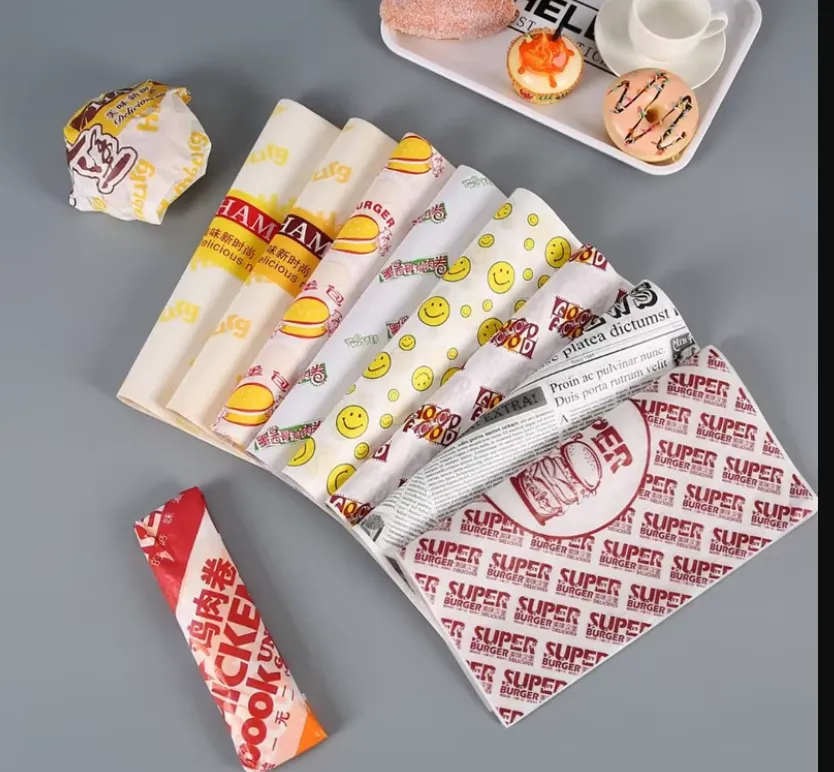
The food presentation is about more than the meal itself. The way a sandwich, burger, pastry, or takeaway snack is wrapped can influence how customers perceive a restaurant or food business. Clean, attractive packaging creates a more professional impression while helping keep serving areas organized. For establishments that handle frequent orders, choosing convenient wrapping materials can also make everyday preparation easier.
Restaurants, cafés, bakeries, and delicatessens need packaging that fits their menus and working routines. Some products require individual wrapping, while others benefit from sheets placed inside serving baskets, trays, or takeaway containers. Personalized printing adds another advantage by introducing recognizable logos, brand colours, and decorative patterns into ordinary food service.
Choosing custom deli paper sheets gives businesses a practical way to combine convenient portioning with distinctive packaging. With suitable material specifications, carefully selected dimensions, and thoughtful artwork, printed sheets can support both food presentation and a consistent brand identity.
Why Pre-Cut Deli Sheets Are Convenient for Food Businesses
Pre-cut wrapping sheets can simplify preparation in busy food-service environments.
Employees can take an individual sheet whenever an order needs to be wrapped or presented, without measuring and cutting material from a roll. This can make portioning more consistent and reduce interruptions during peak service periods.
Deli sheets are useful for several applications, including sandwich wrapping, burger presentation, bakery packaging, and lining suitable serving containers.
Their versatility makes them particularly helpful for businesses with varied menus.
Another advantage is easier inventory planning. When establishments use standardized sheet dimensions, they can estimate consumption based on the number of orders prepared.
However, the best format depends on the actual products being served. Businesses should compare sheet dimensions, material properties, and food-contact suitability before selecting a packaging option.
Designing Printed Sheets That Reflect Your Brand
Personalized wrapping can turn a simple packaging item into a recognizable part of a business's visual identity.
The most effective designs usually communicate the brand clearly without overwhelming the surface with unnecessary graphics.
A burger restaurant might choose bold lettering and repeating logos, while a bakery could prefer delicate illustrations and understated colours.
Consider these design possibilities:
-
Repeating company logos for consistent recognition.
-
Minimalist patterns for a clean appearance.
-
Small food illustrations that reflect signature products.
-
Brand-coloured borders and decorative details.
-
Short promotional messages for special campaigns.
-
Seasonal artwork for limited-time menu collections.
Artwork should be planned around how the sheets will actually be used. Folding, wrapping, and placing food on the paper can cover some printed areas.
Repeating patterns help maintain visual interest even when only part of a sheet remains visible.
Before approving a production run, businesses should review artwork proofs for spelling, colour consistency, logo proportions, and print placement.
Choosing Materials for Different Food Packaging Requirements
Not every food product requires the same type of wrapping material.
Sandwiches, pastries, burgers, and foods containing sauces or oils can have different packaging requirements. Material thickness, flexibility, coating, and resistance characteristics all influence how a sheet performs.
Businesses should identify their most common applications before choosing a particular paper grade.
For example, a bakery selling relatively dry pastries may have different requirements from a restaurant wrapping greasy takeaway items.
The complete finished material, including any coatings and printing inks, should be suitable for its intended food-contact application.
Businesses should also verify claims about heat resistance, microwave suitability, recyclability, or compostability rather than assuming these properties apply to every printed paper product.
Requesting product specifications and physical samples is a useful way to compare options before making a larger purchasing commitment.
Selecting the Right Sheet Sizes for Efficient Service
Sheet dimensions influence how easily employees can wrap food and how much material is consumed per order.
A small sheet may be appropriate for individual bakery items, while larger sandwiches or combination meals may require more coverage.
Using unnecessarily large sheets can increase material usage, whereas sheets that are too small may require additional wrapping.
Businesses can begin by measuring their most frequently sold menu products and testing different sheet dimensions.
Standardized sizes are often convenient for establishments with consistent portion formats.
For restaurants offering a broader menu, keeping two or three practical sizes may provide greater flexibility without creating complicated storage requirements.
Pre-cut sheets can also help maintain consistent presentation across different shifts.
By matching paper dimensions to actual serving needs, businesses can make packaging more predictable and easier to manage.
How Wholesale Purchasing Supports Consistent Packaging Supplies
Food establishments depend on reliable packaging availability to maintain daily operations.
Running out of wrapping sheets during a busy lunch or dinner period can interrupt preparation and create unnecessary pressure on employees.
Wholesale purchasing can help businesses maintain adequate stock and may offer better unit pricing depending on supplier terms and order quantities.
Before placing a large order, establishments should estimate their average weekly or monthly consumption.
They should also consider storage capacity, expected delivery schedules, and seasonal changes in demand.
Comparing quotations is important because the total cost may include printing, setup, shipping, and other charges.
For customized orders, reviewing a sample and approving the final artwork before production can help prevent avoidable errors.
A planned purchasing schedule makes it easier to maintain consistent packaging without accumulating more stock than the business can reasonably use.
Using Branded Wrapping to Improve the Customer Experience
Packaging can contribute to the experience customers associate with a restaurant.
A neatly wrapped sandwich or carefully lined serving basket creates a more organized appearance and reinforces the attention given to presentation.
Printed sheets can also make different menu products feel connected through consistent colours, logos, and design elements.
This is especially useful for businesses that offer takeaway, delivery, and dine-in services.
Customers may photograph attractive food presentations and share them online, giving the packaging additional visibility.
Businesses can refresh their artwork for seasonal menus or promotional events while retaining recognizable branding.
The goal is not to make packaging unnecessarily complicated. A simple, well-positioned logo and consistent design can be enough to create a professional impression.
Combining Deli Sheets with Complementary Paper Products
A complete food packaging setup often includes several formats rather than relying on one type of paper.
Restaurants may need pre-cut sheets for individual orders, rolls for flexible wrapping lengths, and other suitable materials for lining or packaging different menu items.
Exploring Custom greaseproof paper rolls can help businesses consider additional formats for applications that require continuous or adjustable lengths.
Rolls may be useful for certain wrapping tasks, while pre-cut sheets can offer convenience when standardized portions are preferred.
The choice should depend on menu requirements, preparation methods, material specifications, and employee workflow.
Businesses can also coordinate printed designs across sheets and rolls to maintain consistent branding throughout their packaging collection.
Before selecting complementary products, confirm that each material is suitable for its intended food-contact conditions.
Conclusion
Personalized deli sheets offer restaurants, cafés, bakeries, and takeaway businesses a practical way to improve food presentation and reinforce brand recognition.
Selecting suitable materials, convenient dimensions, and clear printed artwork helps create packaging that supports everyday operations while giving customers a more professional experience.
Wholesale planning, sample testing, and organized inventory management can further improve purchasing efficiency.
With the right combination of functionality and thoughtful design, printed deli sheets can become a valuable part of a consistent food packaging strategy.
Related Reading
Why Business & Finance is Transforming the Global Industry Landscape
Welcome to our in-depth exploration of Business & Finance. In an era defined...
Expert Insights: Navigating the Complex World of Business & Finance
Welcome to our in-depth exploration of Business & Finance. In an era defined...