Custom Hotel Furniture: Redefining Hospitality Through Design, Comfort, and Identity
By pauls walkers
119 Views
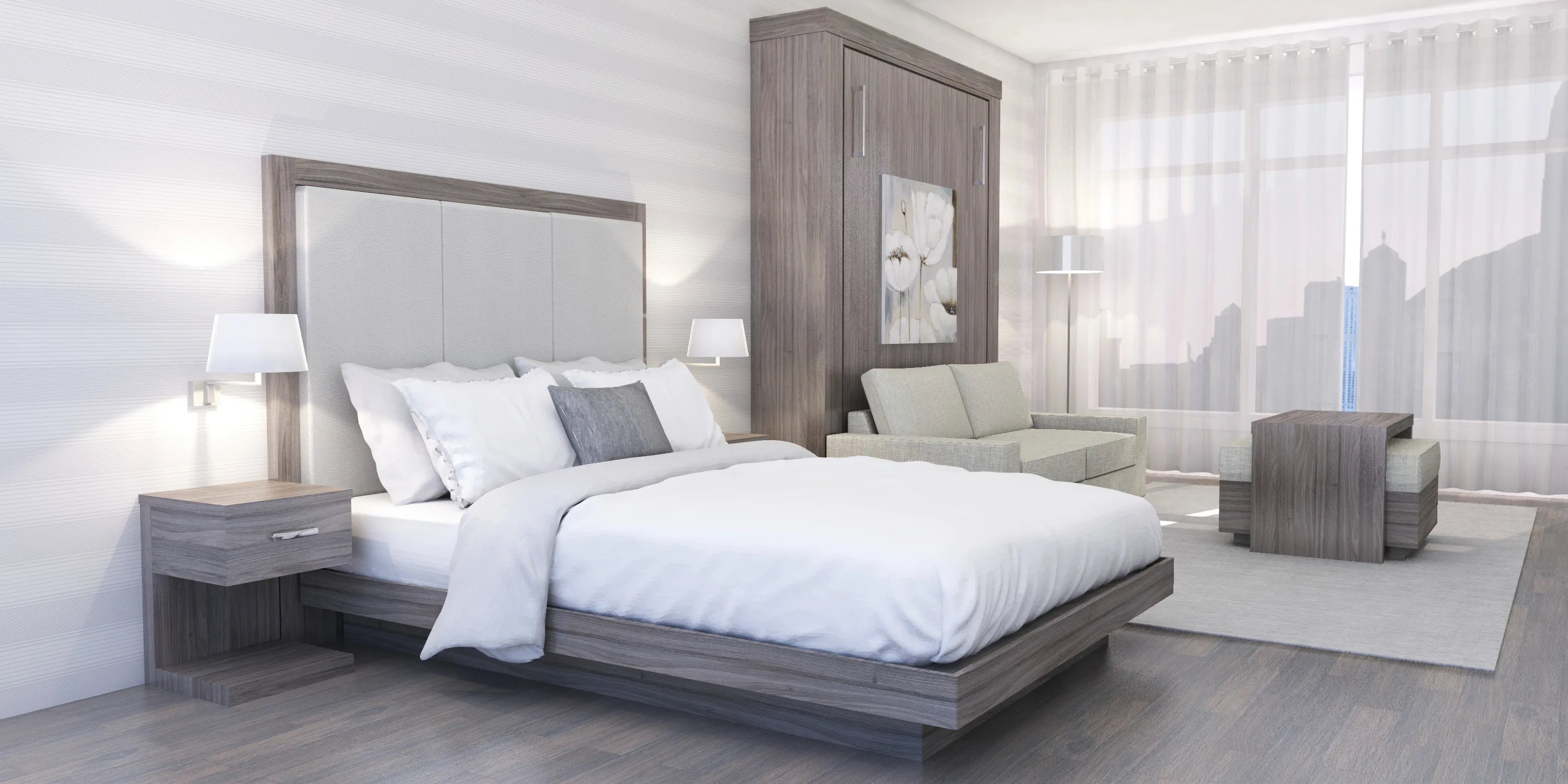
In today’s highly competitive hospitality industry, hotels are no longer judged only by location or price. Instead, guests increasingly remember how a space feels—its comfort, its aesthetic, and the emotional experience it creates. This is where Custom Hotel Furniture becomes a game-changer. Far beyond standard furnishings, custom-designed pieces help hotels express their identity, enhance guest satisfaction, and maximize functionality in ways off-the-shelf solutions simply cannot match.
From boutique hotels aiming for a unique artistic identity to luxury chains seeking consistency across global properties, custom furniture is quietly shaping the future of hospitality design. This article explores why it matters, how it transforms guest experiences, and what it means for the future of hotel development.
Understanding Custom Hotel Furniture in Modern Hospitality
At its core, Custom Hotel Furniture refers to specially designed and manufactured furniture tailored to a hotel’s specific needs, style, and operational requirements. Unlike mass-produced furniture, custom pieces are created with precise attention to dimensions, materials, branding, and user experience.
This means everything—from lobby sofas and reception desks to guest room beds, wardrobes, and restaurant seating—is designed to align with the hotel’s concept. As a result, hotels are not just furnished; they are curated.
More importantly, this approach ensures that every piece serves a dual purpose: aesthetic appeal and functional efficiency. In an industry where first impressions can define long-term reputation, this balance is critical.
Why Custom Hotel Furniture Matters More Than Ever
The hospitality industry has shifted dramatically in recent years. Guests now seek immersive experiences rather than just accommodation. Consequently, hotels must differentiate themselves in meaningful ways.
Custom furniture plays a central role in this transformation for several reasons:
1. Creating a Strong Brand Identity
A hotel’s interior design is an extension of its brand. When guests walk into a space, they should immediately sense its personality—whether it is modern minimalism, classical elegance, or cultural authenticity.
Custom Hotel Furniture allows designers to translate brand values into physical form. For example, a coastal resort might use natural wood textures and flowing organic shapes, while a business hotel might prioritize sleek lines and ergonomic precision.
In this way, furniture becomes a silent storyteller of the brand itself.
2. Enhancing Guest Comfort and Experience
Comfort is one of the most important factors influencing guest satisfaction. Standard furniture often fails to address specific needs such as space optimization, ergonomic support, or durability under heavy usage.
Custom solutions, however, are designed with the guest in mind. Beds can be optimized for sleep quality, chairs for posture support, and storage units for convenience. This attention to detail significantly improves the overall stay experience, leading to better reviews and repeat bookings.
3. Maximizing Space Efficiency
Hotel rooms, especially in urban environments, often face space constraints. Custom furniture allows designers to make the most of every square foot.
For instance, built-in storage solutions, multifunctional furniture, and space-saving layouts can transform even small rooms into highly functional spaces. As a result, hotels can offer both comfort and practicality without compromising design quality.
The Design Process Behind Custom Hotel Furniture
Creating Custom Hotel Furniture is not a random process—it is a carefully structured collaboration between designers, manufacturers, and hotel operators.
Concept Development
The process begins with understanding the hotel’s concept, target audience, and brand positioning. Designers study mood boards, architectural plans, and operational requirements to establish a clear vision.
Material Selection
Materials play a vital role in durability and aesthetics. Hotels often require furniture that can withstand heavy daily use while maintaining a premium appearance. Therefore, materials such as solid wood, metal alloys, high-quality upholstery, and eco-friendly composites are commonly used.
Prototyping and Testing
Before final production, prototypes are developed and tested for comfort, durability, and safety. This ensures that every piece meets hospitality standards.
Production and Installation
Once approved, furniture is manufactured and installed with precision. Coordination is crucial here, as timing often aligns with construction or renovation schedules.
The Business Impact of Custom Hotel Furniture
Beyond aesthetics and comfort, custom furniture has a direct impact on hotel performance.
Increased Guest Satisfaction and Loyalty
When guests feel comfortable and impressed by their surroundings, they are more likely to return. Custom-designed interiors contribute significantly to positive reviews and word-of-mouth recommendations.
Higher Perceived Value
Well-designed interiors elevate a hotel’s perceived value. Even mid-range hotels can appear luxurious when their furniture is thoughtfully designed and aligned with a strong theme.
Long-Term Cost Efficiency
Although custom furniture may require a higher initial investment, it often proves more cost-effective in the long run. Durable materials and tailored construction reduce replacement and maintenance costs over time.
Sustainability and Innovation in Custom Hotel Furniture
Sustainability has become a defining factor in modern hospitality design. As environmental concerns grow, hotels are increasingly adopting eco-friendly furniture solutions.
Custom Hotel Furniture supports sustainability in several ways:
- Use of responsibly sourced materials
- Reduced waste through precise manufacturing
- Long-lasting construction that minimizes replacement cycles
- Integration of recyclable and biodegradable components
Additionally, innovation is playing a major role. Smart furniture with built-in charging ports, modular designs, and adaptable configurations is becoming more common. These innovations not only improve functionality but also align with the expectations of tech-savvy travelers.
Challenges in Implementing Custom Hotel Furniture
Despite its advantages, custom furniture also presents challenges.
One of the main concerns is cost management, as bespoke designs require skilled labor and premium materials. Additionally, the production timeline is longer compared to ready-made furniture, which can affect tight project schedules.
Another challenge lies in design coordination. Ensuring alignment between architects, interior designers, and manufacturers requires clear communication and detailed planning.
However, these challenges can be effectively managed through early planning and collaboration with experienced suppliers.
The Future of Custom Hotel Furniture
Looking ahead, the role of Custom Hotel Furniture is expected to expand even further. As hospitality becomes more experience-driven, hotels will continue to invest in personalized environments that reflect culture, technology, and sustainability.
We can expect to see:
- Greater integration of smart technology
- More emphasis on modular and flexible furniture systems
- Increased use of sustainable and circular materials
- Deeper personalization based on guest demographics and behavior
Ultimately, furniture will no longer be seen as static décor but as an active part of the guest experience ecosystem.
Conclusion: Designing the Future of Hospitality
In a world where guest expectations are constantly evolving, Custom Hotel Furniture stands at the intersection of design, comfort, and innovation. It is more than a design choice—it is a strategic investment in brand identity, guest satisfaction, and long-term success.
As hotels continue to compete not just for occupancy but for emotional connection, the spaces they create will matter more than ever. Furniture will play a central role in shaping those spaces, influencing how guests feel, remember, and return.
The question for hoteliers is no longer whether to invest in custom furniture—but how boldly they are willing to use it to redefine the future of hospitality.
Related Reading
Why Business & Finance is Transforming the Global Industry Landscape
Welcome to our in-depth exploration of Business & Finance. In an era defined...
Expert Insights: Navigating the Complex World of Business & Finance
Welcome to our in-depth exploration of Business & Finance. In an era defined...