Custom Waste Equipment: Advanced Solutions for Efficient Waste Management
By Keystone Waste Solutions LLC
142 Views
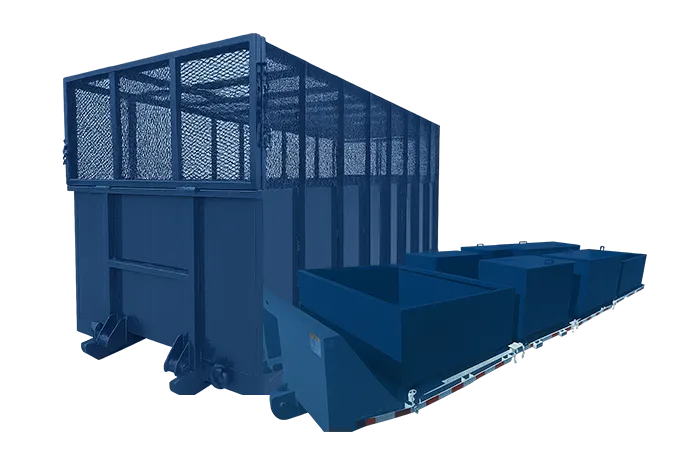
Custom waste equipment plays a critical role in modern waste handling, recycling, and disposal operations across commercial, industrial, and municipal sectors. As businesses continue generating larger volumes of waste and recyclable materials, standard equipment may not always meet operational demands. Customized waste management systems provide tailored solutions that improve efficiency, reduce labor costs, and support environmental sustainability goals.
From compactors and balers to automated recycling systems and specialized waste containers, custom waste equipment is designed to address unique industry requirements. Properly engineered waste equipment can improve operational productivity, optimize waste handling processes, and reduce long-term disposal expenses.
This guide explains the different types of custom waste equipment, common applications, design considerations, benefits, and emerging trends within the waste management industry.
What Is Custom Waste Equipment?
Custom waste equipment refers to waste handling machinery and systems specifically designed to meet the operational requirements of a particular business, facility, or industry.
These systems may include:
- Waste compactors
- Recycling equipment
- Balers
- Dumpsters and containers
- Conveyors
- Shredders
- Automated waste systems
Customized designs help businesses manage waste more efficiently while improving workplace safety and operational performance.
Common Types of Custom Waste Equipment
Different industries require specialized equipment depending on waste volume, material type, and operational needs.
Waste Compactors
Compactors reduce the size of waste materials through compression.
Common Applications
- Retail facilities
- Manufacturing plants
- Distribution centers
- Apartment complexes
Benefits
- Reduced waste volume
- Lower hauling frequency
- Improved site cleanliness
Compactors help businesses reduce transportation costs and maximize available waste storage space.
Balers
Balers compress recyclable materials into compact bundles for easier handling and transportation.
Materials Commonly Baled
- Cardboard
- Plastic
- Paper
- Aluminum cans
Types of Balers
Baler TypeTypical UseVertical BalersSmall businessesHorizontal BalersHigh-volume facilitiesClosed-End BalersDense material compression
Balers improve recycling efficiency while generating organized recyclable loads.
Roll-Off Containers
Custom roll-off containers are widely used for temporary and permanent waste collection applications.
Common Uses
- Construction projects
- Industrial waste disposal
- Demolition debris
- Large-scale cleanup operations
Containers can be customized based on:
- Capacity
- Material thickness
- Door configurations
- Loading style
Recycling Systems
Custom recycling systems automate the sorting and processing of recyclable materials.
System Features May Include
- Conveyor belts
- Sorting stations
- Automated separators
- Material compactors
These systems improve recycling speed and reduce manual labor requirements.
Industrial Shredders
Industrial shredders break down bulky materials into smaller pieces for disposal or recycling.
Materials Commonly Processed
- Plastics
- Wood
- Metal
- Electronic waste
- Packaging materials
Shredders are frequently used in manufacturing and recycling operations.
Industries That Use Custom Waste Equipment
Many industries rely on customized waste management systems to support daily operations.
Manufacturing Facilities
Manufacturing plants generate large amounts of:
- Scrap materials
- Packaging waste
- Production byproducts
Custom equipment helps streamline waste handling and improve facility organization.
Construction and Demolition
Construction companies often require heavy-duty equipment for:
- Concrete debris
- Roofing materials
- Wood waste
- Metal scraps
Large roll-off containers and compactors are commonly used on job sites.
Retail and Distribution Centers
Retail operations frequently use:
- Cardboard balers
- Waste compactors
- Recycling systems
These solutions improve inventory management and reduce waste accumulation.
Municipal Waste Operations
Cities and municipalities utilize custom equipment for:
- Public waste collection
- Recycling programs
- Transfer stations
- Waste processing facilities
Efficient systems support cleaner communities and improved sanitation services.
Benefits of Custom Waste Equipment
Customized waste systems provide several operational and financial advantages.
Improved Efficiency
Custom equipment is designed to fit specific workflows and waste streams.
Benefits include:
- Faster waste processing
- Reduced labor requirements
- Better material organization
- Improved operational flow
Reduced Waste Disposal Costs
Compaction and efficient storage help minimize:
- Transportation expenses
- Landfill fees
- Collection frequency
Businesses can often achieve significant long-term savings through optimized waste handling.
Enhanced Workplace Safety
Organized waste systems reduce:
- Clutter
- Trip hazards
- Manual handling risks
A safer work environment can improve productivity and reduce workplace injuries.
Environmental Sustainability
Recycling and waste reduction programs support:
- Lower landfill usage
- Improved material recovery
- Sustainable business practices
Many companies prioritize environmentally responsible waste management initiatives.
Key Features of Custom Waste Equipment
Custom equipment designs vary depending on operational needs and industry requirements.
Heavy-Duty Construction
Industrial waste equipment is often built using:
- Reinforced steel
- Corrosion-resistant coatings
- High-capacity hydraulic systems
Durable construction improves equipment lifespan in demanding environments.
Automated Operation
Many systems now include automation features such as:
- Sensor controls
- Remote monitoring
- Programmable settings
- Automated loading systems
Automation can improve consistency and reduce labor costs.
Space Optimization
Custom equipment may be designed to fit:
- Limited floor space
- Specific loading dock layouts
- Compact facilities
Space-efficient systems improve operational organization.
Choosing the Right Custom Waste Equipment
Selecting the appropriate equipment depends on several important factors.
Evaluate Waste Volume
Businesses should estimate:
- Daily waste generation
- Peak disposal periods
- Recycling requirements
Larger facilities may require higher-capacity systems.
Identify Waste Material Types
Different waste streams require different handling methods.
Waste MaterialRecommended EquipmentCardboardBalersMixed trashCompactorsScrap metalHeavy-duty containersPlastic wasteShredders
Consider Future Growth
Equipment should accommodate future operational expansion.
Scalable systems help businesses:
- Avoid replacement costs
- Increase productivity
- Support long-term growth
Maintenance and Equipment Longevity
Regular maintenance is essential for reliable waste equipment performance.
Routine Maintenance Tasks
Proper maintenance may include:
- Hydraulic inspections
- Lubrication
- Cleaning
- Component replacement
- Safety inspections
Preventive maintenance reduces downtime and extends equipment lifespan.
Operator Training
Employees should receive proper instruction on:
- Equipment operation
- Safety procedures
- Loading practices
- Emergency protocols
Well-trained operators help minimize equipment damage and accidents.
Environmental Regulations and Compliance
Waste equipment must comply with local and industry regulations.
Common Compliance Areas
Businesses may need to address:
- Waste disposal laws
- Recycling requirements
- Environmental reporting
- Safety regulations
Compliance helps reduce legal risks and operational disruptions.
Emerging Trends in Waste Equipment Technology
The waste management industry continues evolving through advanced technology and sustainability initiatives.
Smart Waste Monitoring
Modern equipment may include:
- Fill-level sensors
- Real-time tracking
- Data reporting systems
- Predictive maintenance alerts
Smart systems improve efficiency and reduce unnecessary pickups.
Energy-Efficient Equipment
Manufacturers increasingly focus on:
- Lower energy consumption
- Eco-friendly hydraulic systems
- Sustainable manufacturing processes
Energy-efficient equipment supports environmental goals and operational savings.
Automated Recycling Technology
Advanced recycling systems now use:
- Optical sorting
- Artificial intelligence
- Robotic material handling
Automation improves recycling accuracy and processing speed.
Common Challenges in Waste Management Operations
Businesses often face operational challenges when managing waste systems.
Space Limitations
Facilities with limited space may struggle with:
- Equipment placement
- Waste storage
- Collection access
Custom designs help maximize available workspace.
High Waste Volumes
Large operations may experience:
- Overflow issues
- Increased hauling costs
- Equipment strain
High-capacity systems help manage fluctuating waste levels efficiently.
Final Thoughts on Custom Waste Equipment
Custom waste equipment provides businesses and organizations with tailored solutions for efficient waste handling, recycling, and disposal operations. From compactors and balers to advanced recycling systems and industrial containers, customized equipment helps improve productivity, reduce disposal costs, and support environmental sustainability goals.
Investing in properly designed waste equipment can enhance operational efficiency, improve workplace safety, and create long-term cost savings for commercial and industrial operations. By understanding equipment options, material requirements, and operational needs, organizations can implement waste management systems that support both productivity and responsible environmental practices.