Different Categories of an Ethernet Cable You Should Know
By adnanempirefive
170 Views
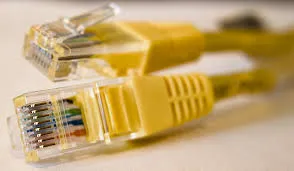
Ethernet cables are the backbone of wired networking, providing stable and high-speed internet connections for homes, offices, and data centers. Understanding the different categories of these cables helps you choose the right one for your specific needs. Each type of cable offers different speeds, bandwidth, and performance levels, making it important to know how they compare.
When people talk about network performance, they often overlook how much the type of cable matters. In reality, choosing the correct category of an ethernet cable can significantly improve your internet speed, reduce latency, and ensure smoother connectivity for multiple devices.
Cat5e Ethernet Cable: The Basic Standard
Cat5e (Category 5 enhanced) is one of the most commonly used types of networking cables. It supports speeds up to 1 Gbps and bandwidth up to 100 MHz, making it suitable for basic internet usage like browsing, emailing, and streaming in standard definition. Many home networks still rely on this type of cable due to its affordability and reliability.
Even though it is considered an older standard, Cat5e remains useful in environments where ultra-high speeds are not required. If you are setting up a simple home network or connecting a few devices, an ethernet cable of the Cat5e category can still perform efficiently without unnecessary cost.
Cat6 Ethernet Cable: Improved Speed and Performance
Cat6 cables are a step up from Cat5e and are designed to handle higher performance demands. They support speeds up to 10 Gbps over shorter distances (up to 55 meters) and offer better protection against crosstalk and interference. This makes them ideal for small offices and modern home setups.
One of the key advantages of using an ethernet cable like Cat6 is its improved shielding and tighter wire twisting. This design reduces signal degradation and ensures a more stable and consistent connection, especially when multiple devices are connected to the same network.
Cat6a Ethernet Cable: Extended Performance Range
Cat6a (Category 6 augmented) builds on Cat6 by offering double the bandwidth, up to 500 MHz, and maintaining 10 Gbps speeds over longer distances up to 100 meters. This makes it a strong choice for larger homes, office buildings, and professional environments where consistent high-speed connectivity is required.
An ethernet cable in the Cat6a category is also better shielded than Cat6, which helps eliminate interference in environments with many electronic devices. This makes it particularly useful in data-heavy applications such as video conferencing, cloud computing, and large file transfers.
Cat7 Ethernet Cable: High-Level Shielding and Speed
Cat7 cables are designed for even more advanced networking needs, supporting speeds up to 10 Gbps and frequencies up to 600 MHz. They are heavily shielded to reduce external interference, making them ideal for industrial environments or high-performance networks.
Using an ethernet cable like Cat7 ensures maximum stability and reduced signal noise, which is especially important in environments where multiple networks or heavy electrical equipment are present. Although not always necessary for home users, it is a solid choice for future-proofing your network.
Cat8 Ethernet Cable: The Latest High-Speed Solution
Cat8 is the newest and most advanced Ethernet cable category, offering speeds up to 25–40 Gbps and bandwidth up to 2000 MHz. It is mainly used in data centers, server rooms, and professional IT infrastructures where ultra-fast data transfer is essential.
An ethernet cable of the Cat8 category is designed for short-distance, high-performance connections. While it may be overkill for everyday home use, it provides unmatched speed and reliability for specialized environments where performance cannot be compromised.
Conclusion
Understanding the different categories of an ethernet cable helps you make informed decisions based on your internet needs and environment. From basic Cat5e cables for everyday use to advanced Cat8 cables for professional systems, each category serves a specific purpose.
Choosing the right ethernet cable ensures better speed, stability, and overall network performance. Whether you are upgrading your home setup or building a professional network, selecting the appropriate category will greatly enhance your connectivity experience.