DME Revenue Cycle Management in North Carolina: Overcoming Payer Challenges and Reducing Denials
By Premium Services
86 Views
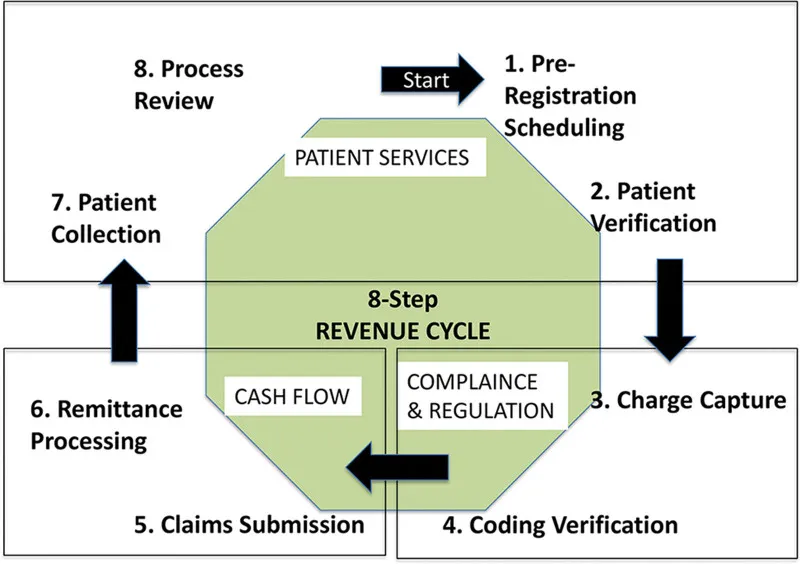
If you're running a DME operation in North Carolina, you've probably noticed something: getting paid isn't as simple as submitting a claim and waiting for a check. Between shifting payer policies, documentation demands, and denial rates that seem to climb every year, revenue cycle management has become one of the hardest parts of running a durable medical equipment business.
The frustrating part is that most of these payer headaches aren't random. They follow patterns — and once you understand those patterns, you can actually fix them instead of just reacting to them one denial at a time.
This guide breaks down what makes DME revenue cycle management in North Carolina uniquely challenging, where the biggest payer roadblocks show up, and how a focused approach to denial management can get more of your claims paid the first time around.
What Makes DME Revenue Cycle Management So Complicated in North Carolina
Revenue cycle management (RCM) covers the entire financial journey of a claim — from the moment equipment is ordered to the moment payment actually lands in your account. For most industries, that's a fairly linear process. For DME suppliers in North Carolina, it's anything but.
Multiple Payer Types, Multiple Rulebooks
North Carolina DME suppliers typically deal with a mix of Medicare, NC Medicaid, and commercial payers — and each one has its own documentation standards, coding preferences, and authorization thresholds. What satisfies one payer might trigger an automatic denial with another.
Frequent Policy Updates
Payer policies don't stay still. Coverage criteria, prior authorization lists, and documentation requirements get updated regularly, and if your billing team isn't tracking those changes closely, you're billing against outdated rules without even realizing it.
High Documentation Burden
DME claims — especially for higher-cost or custom items — require detailed clinical justification. Physician notes, proof of medical necessity, and supporting records all have to line up precisely, or the claim risks rejection before it's even reviewed.
The Biggest Payer Challenges DME Suppliers Face
Inconsistent Prior Authorization Requirements
One of the most common friction points in DME revenue cycle management is prior authorization. Some items require it, some don't, and the threshold can shift depending on the payer and even the specific plan. Missing this step is one of the fastest ways to see a claim denied outright.
Complex Coding for Specialty Equipment
This becomes especially clear with prosthetic billing for lower limbs in North Carolina. Prosthetic claims involve highly specific L-codes, detailed measurements, and functional-level documentation (K-levels) that must match the physician's clinical notes exactly. A mismatch between the coded functional level and the supporting documentation is one of the most frequent reasons these claims get kicked back.
Slow or Inconsistent Payer Communication
Even when everything is submitted correctly, payers don't always respond quickly — or clearly. Chasing down claim status, clarifying denial reasons, and following up on appeals eats into staff time that could be spent on patient-facing work.
Underpayments That Go Unnoticed
Not every payer issue shows up as an outright denial. Sometimes claims get paid, just at a lower rate than contracted. Without a system actively auditing payments against expected reimbursement, these underpayments can quietly drain revenue for months.
How Denial Management Fixes the Cycle
A strong denial management service doesn't just react to denials after they happen — it works to prevent them in the first place, and when they do occur, resolves them fast.
Root-Cause Analysis, Not Just Resubmission
Simply refiling a denied claim without understanding why it was denied usually leads to the same result. Effective denial management traces each denial back to its actual cause — a coding error, a missing authorization, insufficient documentation — and fixes that root issue before resubmitting.
Faster Appeals Turnaround
When a claim is wrongly denied, time matters. Payers set strict appeal windows, and missing them means the revenue is gone for good. A dedicated denial management process tracks these deadlines closely and builds appeals with the specific documentation each payer requires.
Trend Tracking Across Payers
Good denial management doesn't stop at individual claims. It tracks denial patterns across payers over time, so if a particular insurer starts rejecting a certain code or documentation type more frequently, your billing process adjusts before it becomes a recurring revenue loss.
Why Specialized DME Billing Service Matters More Than General Billing
A lot of practices assume any billing service can handle DME claims. In reality, general medical billing and DME billing service work are quite different.
DME-Specific Coding Expertise
DME billing requires fluency in HCPCS Level II codes, modifiers, and equipment-specific documentation rules that general medical billers simply don't encounter as often. That specialization directly affects first-pass claim acceptance rates.
Understanding of Rental vs. Purchase Billing
DME claims often involve rental periods, capped rental rules, and purchase-option timing — all of which have their own billing logic that differs from standard procedure-based claims.
Coordination with Home Health Billing Services
Many DME claims overlap with home health billing services, particularly when equipment is tied to a home health episode of care. Coordinating these two billing streams properly prevents duplicate billing issues and ensures neither claim gets denied for conflicting information.
Building a Stronger Revenue Cycle: What Actually Works
If you're looking to tighten up your DME revenue cycle management in North Carolina, here's where to focus first:
- Verify eligibility and authorization before dispensing equipment — not after.
- Standardize documentation templates so nothing gets missed between ordering and billing.
- Audit payments regularly to catch underpayments, not just denials.
- Track denial trends by payer so your team adjusts proactively.
- Separate prosthetic and specialty billing workflows from routine DME claims, since they require different documentation depth.
This is exactly the kind of hands-on, detail-driven process QHS Health helps DME suppliers put into place — reducing denials, tightening up documentation gaps, and getting reimbursement moving faster instead of stuck in payer limbo.
Frequently Asked Questions
1. What's the difference between revenue cycle management and denial management?
Revenue cycle management covers the entire billing process from order to payment, while denial management is a focused piece of that cycle dealing specifically with preventing and resolving denied claims.
2. Why are prosthetic claims denied more often than standard DME claims?
Prosthetic billing requires precise L-codes and functional-level (K-level) documentation that must align exactly with physician notes — any mismatch tends to trigger a denial.
3. Does North Carolina Medicaid have different DME requirements than Medicare?
Yes. NC Medicaid has its own prior authorization rules, coverage criteria, and documentation standards that often differ from Medicare Part B requirements.
4. How can I tell if I'm being underpaid on DME claims?
Regularly auditing payments against your contracted reimbursement rates is the only reliable way to catch underpayments — they often go unnoticed without that comparison.
5. Should home health and DME billing be handled by the same team?
They should at least be closely coordinated, even if handled separately, to avoid overlapping claims or documentation conflicts between the two.
Ready to Reduce Denials and Strengthen Your Revenue Cycle?
Payer challenges aren't going away, but they don't have to keep draining your revenue either. If denied claims, slow reimbursements, or prosthetic billing complexities are holding your DME business back, it's time for a revenue cycle process built specifically for the way North Carolina payers operate.
Get in touch for a free revenue cycle review and find out exactly where your claims are getting stuck — before another one gets denied.
Related Reading
Why Business & Finance is Transforming the Global Industry Landscape
Welcome to our in-depth exploration of Business & Finance. In an era defined...
Expert Insights: Navigating the Complex World of Business & Finance
Welcome to our in-depth exploration of Business & Finance. In an era defined...