Engagement Rings Under $2000: Diamond, Setting, and Style Tips
By Antique cut
4 Views
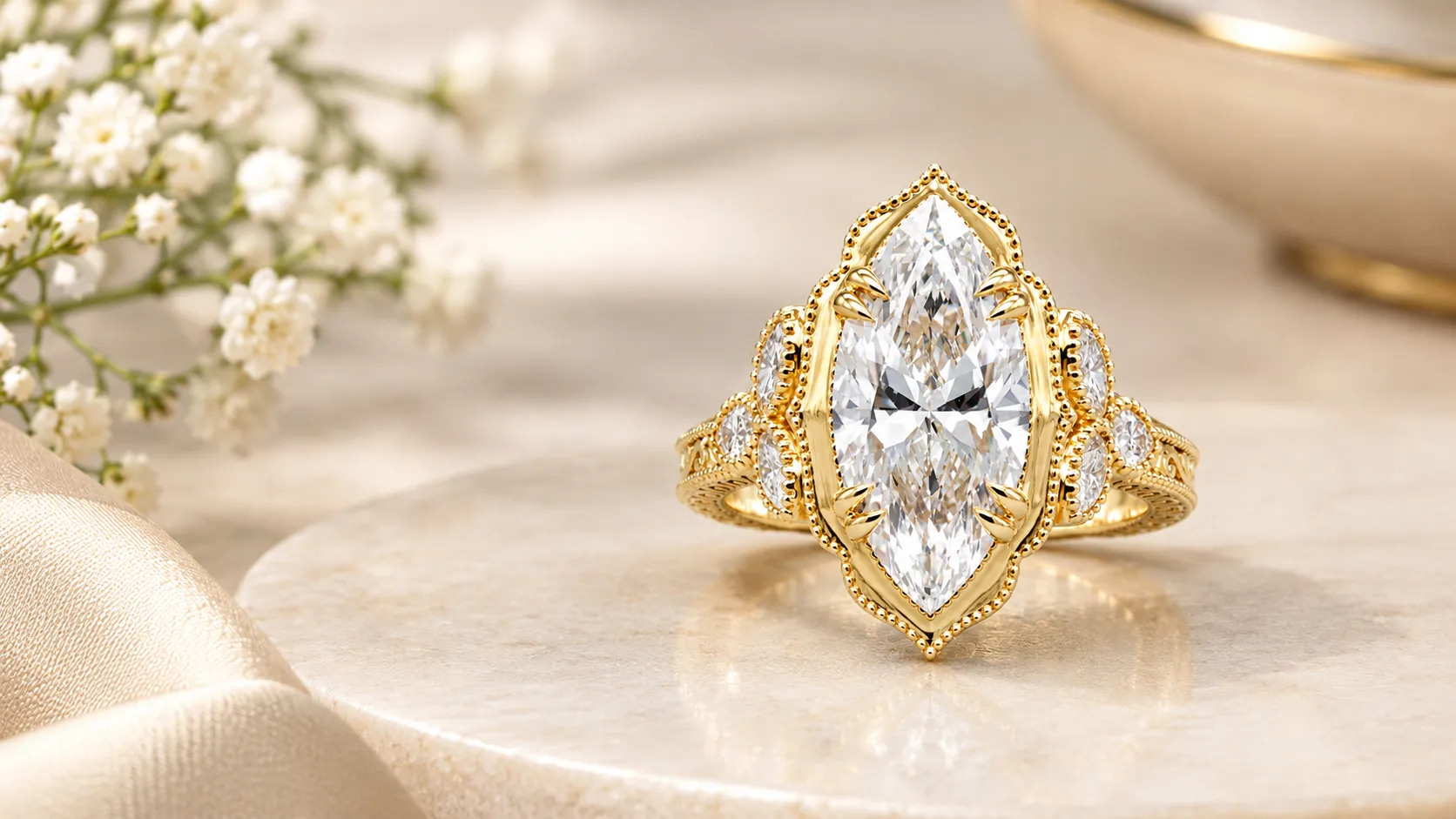
Choosing an engagement ring is an exciting decision, but finding a beautiful ring within a specific budget can take some planning. With careful attention to the diamond, metal, setting, and overall design, it is possible to find an appealing ring without spending a large amount. For shoppers working with a $2,000 budget, engagement rings under $2000 offer plenty of choices across different diamond shapes, settings, and styles.
The key is knowing where your money matters most. Instead of focusing only on the size of the diamond, consider its cut, setting, metal, and overall appearance. A well-planned purchase can give you a ring that looks distinctive while staying within your target price.
What Can You Expect From a $2,000 Engagement Ring?
A $2,000 budget gives you several possibilities. You may find rings featuring lab-grown diamonds, smaller natural diamonds, alternative gemstones, or designs that use a more affordable setting. Lab-grown diamonds are particularly worth considering because they can offer a larger stone within the same budget compared with many natural diamond options.
When shopping for engagement rings under 2000, start by deciding which features are most important to you. Some buyers prefer a larger center stone, while others care more about the setting or the quality of the metal. Knowing your priorities before shopping can make the selection process much easier.
It is also useful to leave a small portion of your budget for potential additional costs, such as resizing, taxes, or other services. Looking at the complete purchase price rather than just the listed ring price can help prevent surprises.
Choosing the Right Diamond
The center diamond usually receives the most attention, so understanding the basics can help you spend your budget wisely.
Diamond Shape
The shape has a major effect on the overall appearance of an engagement ring. Round, oval, pear, emerald, cushion, and marquise are among the popular choices.
Round diamonds have a traditional appearance, while oval diamonds can provide an elongated look. Emerald-cut diamonds have broad, clean facets that create a different visual effect. Pear and marquise shapes can also make the center stone appear longer when worn on the finger.
Your choice should depend on personal preference rather than simply following what is popular.
Diamond Cut
Cut is especially important because it affects how well a diamond interacts with light. A well-cut diamond can appear lively even when it is not particularly large.
For buyers comparing diamond engagement rings under $2000, it may be more useful to prioritize a well-cut stone over choosing the largest possible carat weight. A slightly smaller diamond with good proportions can often look more appealing than a larger stone with weaker cut quality.
Lab-Grown Diamonds
Lab-grown diamonds are another option for shoppers with a $2,000 budget. They have essentially the same chemical composition and crystal structure as natural diamonds, while their origin is different.
Because pricing can be lower, a lab-grown diamond may allow you to consider a larger center stone or allocate more of your budget toward the setting and metal.
Before purchasing, check the diamond's grading information and review the specifications carefully.
Selecting the Right Ring Setting
The setting does more than hold the diamond in place. It also influences the ring's appearance and how practical it is for everyday use.
Solitaire Setting
A solitaire setting keeps attention on the center stone. It is a straightforward option for someone who wants the diamond to remain the main feature.
Because the design generally uses fewer additional stones, more of the budget can be directed toward the center diamond.
Halo Setting
A halo setting places smaller stones around the center diamond. This can create the appearance of a larger center design while adding detail around the main stone.
For buyers interested in engagement rings for women under $2000, a halo design can be a useful option when the goal is to create a fuller look without selecting a very large center diamond.
Bezel Setting
A bezel setting surrounds the diamond with a metal rim. It offers a distinct appearance and can provide additional protection around the stone's edges.
This type of setting may appeal to someone who prefers a clean design or wants an engagement ring suitable for an active daily routine.
Three-Stone Setting
Three-stone rings feature a center diamond accompanied by two additional stones. The three stones can be similar in shape or designed with a larger center stone and smaller side stones.
This style gives the ring more visual detail while allowing different combinations of diamond shapes and sizes.
Picking the Right Metal
The metal you choose should work well with both the diamond and the wearer's personal style.
Yellow gold provides a warm appearance and has been used in jewelry for generations. White gold offers a bright, neutral appearance that works well with many diamond shapes. Rose gold has a pink-toned appearance and can give a ring a different character.
Platinum is another option, although it may require a larger portion of a $2,000 budget. When comparing metals, consider durability, maintenance, color, and how the ring will coordinate with a future wedding band.
How to Get More From a $2,000 Budget
A clear budget makes it easier to compare rings, but where you spend the money matters just as much as the total amount.
One approach is to choose a lab-grown diamond and put more of the budget toward the setting and metal. Another is to select a smaller center stone with good cut quality and use a detailed setting to create a fuller appearance.
You can also compare different diamond shapes. Some shapes can provide a larger-looking face-up appearance for their carat weight. Oval and marquise diamonds, for example, have elongated outlines that can cover more of the finger visually.
If you're ready to shop engagement rings under $2000, compare the complete specifications rather than judging a ring by photographs alone.
Consider the Ring's Everyday Wear
An engagement ring is usually worn frequently, so practical details should be part of the decision.
People who work with their hands or participate in sports may prefer a setting that keeps the diamond protected. A bezel setting can be useful in this situation because the metal surrounds the outer edge of the stone.
Those who prefer a traditional appearance may choose a prong setting. However, prongs should be checked periodically to make sure they remain secure.
The ring should also feel comfortable when worn throughout the day. Pay attention to the band width, setting height, and overall weight before making a final choice.
Finding the Right Size
Getting the correct ring size is important, particularly when purchasing online. If the ring is a surprise, you may need to discreetly check the size of a ring the recipient already wears.
Finger size can also change during the day due to temperature and other factors. A professional measurement is generally the safest approach when possible.
If you are unsure about sizing, check the seller's resizing policy before placing an order. Knowing the available options can make the buying process less stressful.
Compare More Than One Ring
It is easy to become attached to the first ring that catches your attention, but comparing several options can reveal better choices.
Look at:
- Diamond shape and carat weight
- Diamond cut and grading information
- Metal type
- Setting style
- Band width
- Overall ring dimensions
- Certification or grading documentation
- Resizing options
- Return and warranty policies
Comparing these details side by side can help you understand whether a ring offers good value for your budget.
For shoppers researching diamond rings under 2000, it can also be useful to compare lab-grown and natural diamond options separately. Their prices can differ significantly, which can change the size and quality of the center stone available at the same budget.
Think About the Wedding Band
The engagement ring will eventually be worn alongside a wedding band, so it is worth thinking about how the two will work together.
A low-profile engagement ring may pair well with a straight wedding band. A ring with a larger setting may require a curved or contoured band to sit comfortably beside it.
If you already know what type of wedding band you prefer, consider that when selecting the engagement ring. This can help create a coordinated combination without requiring expensive modifications later.
Where to Look for a $2,000 Engagement Ring
Online jewelry stores can make it easier to compare different designs and price points. Product specifications, diamond details, metal options, and sizing information are often available directly on product pages.
For buyers considering a 2000 engagement ring, it is worth checking the retailer's policies before purchasing. Look for information about shipping, returns, resizing, warranties, and diamond documentation.
Antiquecut is one option for shoppers exploring lab-grown diamond ring styles across different designs and budgets. Comparing its available options with other retailers can help you determine which combination of diamond, setting, and metal works best for your needs.
Final Thoughts
Finding a ring within a $2,000 budget does not mean limiting yourself to one design. There are many combinations of diamonds, settings, metals, and shapes that can work within this price range.
The best choice depends on what matters most to you. If the center diamond is your priority, consider where your budget can provide the strongest value. If design is more important, a detailed setting may be worth prioritizing. Lab-grown diamonds can also give shoppers another way to balance size and quality.
Take time to compare specifications, consider everyday wear, confirm sizing, and review the seller's policies before buying. With a thoughtful approach, engagement rings under $2000 can offer a wide range of choices for couples looking for a meaningful ring without exceeding their planned budget.
Related Reading
Why Lifestyle & Culture is Transforming the Global Industry Landscape
Welcome to our in-depth exploration of Lifestyle & Culture. In an era define...
Expert Insights: Navigating the Complex World of Lifestyle & Culture
Welcome to our in-depth exploration of Lifestyle & Culture. In an era define...