Establishing Quality Standards for Multi-Location Commercial Cleaning
By alehajoh pm
7 Views
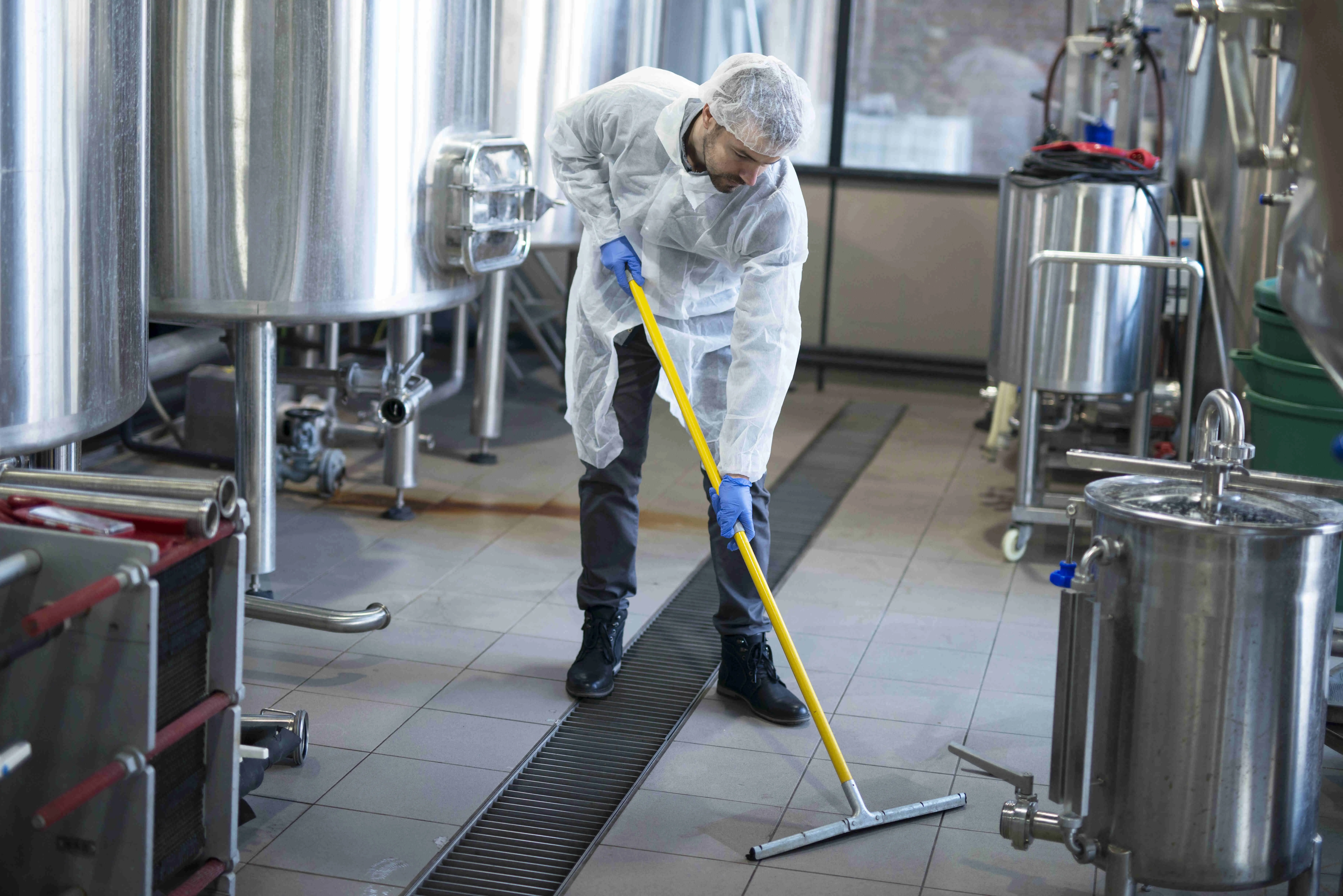
Businesses operating across multiple premises need a consistent approach to workplace cleanliness. Different locations may have different layouts, occupancy levels, operating hours, and customer expectations, making it difficult to maintain the same standards everywhere. Organizations comparing commercial cleaning services Dubai should consider how cleaning procedures, inspections, reporting, and site-specific requirements can be coordinated to support consistent service delivery.
Why Consistency Matters Across Commercial Locations
A business may operate several offices, retail premises, or customer-facing facilities. Although each location may have its own operational characteristics, customers and employees generally expect the environment to meet the organization's cleanliness standards.
Without a common framework, one location may follow a detailed cleaning schedule while another uses a different process. These inconsistencies can affect the premises' appearance and make it difficult for management to evaluate service quality.
A shared cleaning framework provides a foundation for consistency while allowing individual sites to accommodate their particular needs.
Define the Minimum Standard
The organization should establish the minimum cleaning requirements that apply across all locations.
These may include expectations for entrances, washrooms, floors, shared facilities, waste management, and frequently touched surfaces.
Allow for Site-Specific Requirements
A common standard does not mean every location needs an identical schedule. A busy retail property may require more frequent attention to entrances than a smaller administrative office.
The framework should define consistent expectations while allowing frequency and staffing to reflect actual site conditions.
Conducting a Cleaning Assessment at Each Location
Before implementing a coordinated program, management should understand each property's condition and requirements.
A site assessment can identify areas needing routine attention, available facilities, the building's operating hours, and any restrictions affecting cleaning activities.
Review the Property Layout
The assessment should cover work areas, meeting rooms, entrances, washrooms, kitchens, storage spaces, and shared facilities where relevant.
Different areas may require different cleaning methods and schedules.
Understand Occupancy Patterns
Employee attendance, customer traffic, deliveries, and operating hours influence how quickly spaces become dirty.
A location with frequent public access may require a different service frequency from a premises used by a smaller team.
Identify Operational Constraints
Some locations may have restricted access, security requirements, or periods when cleaning is not permitted.
These constraints should be documented before the schedule is finalized.
Developing Standard Operating Procedures
Standard operating procedures help cleaning teams understand how to perform tasks.
The procedures should describe the required outcome, the appropriate method, and any precautions relevant to the task.
Create Task Checklists
Checklists help teams verify that agreed cleaning tasks are completed.
Keep them practical and easy to follow, without unnecessary administrative detail.
Establish Suitable Cleaning Methods
Different surfaces require different methods. Treat glass, hard floors, upholstery, kitchen surfaces, and washroom fixtures according to their materials and the relevant product instructions.
Document Exceptions
Some areas may require specialist equipment, additional approval, or a separate maintenance arrangement.
Recording these exceptions can help avoid inconsistent handling between locations.
Scheduling Cleaning Around Business Activity
Cleaning schedules should support business operations rather than unnecessarily interfere with them.
For example, a retail property may need attention before opening and during quieter periods, while an office may schedule detailed cleaning after employees leave.
Businesses reviewing commercial cleaning services Dubai should discuss opening hours, peak traffic periods, security arrangements, and the activities taking place at each location.
Divide Work Into Time Periods
Divide tasks into daily, weekly, and periodic activities.
Daily work may focus on entrances, washrooms, waste, and frequently used surfaces. Weekly work may include more detailed attention to selected areas. Periodic tasks can be planned according to the property and service scope.
Provide Support During Unexpected Events
Spills, unusually heavy traffic, or special business events may create additional cleaning requirements.
The service arrangement should explain how to report and handle these situations.
Measuring Cleaning Quality
A coordinated cleaning program needs a practical way to evaluate results.
Quality checks help management identify missed tasks, recurring problems, and areas that need extra attention.
Use Consistent Inspection Criteria
Assess every location against relevant standards.
For example, inspections may consider floor condition, visible dust, washroom cleanliness, waste management, and the presentation of shared areas.
Record Findings
Inspection results should identify the location, issue, date, and required follow-up.
This information helps management distinguish isolated problems from recurring performance concerns.
Follow Up on Corrective Actions
Identifying a problem is only the first step. The responsible team should understand what needs to change and when the issue should be reviewed again.
Training and Communication
Cleaning procedures are more likely to remain consistent when teams receive clear instructions and understand the expected results.
Training should cover the cleaning methods relevant to each assignment, safe product handling, equipment use, and reporting procedures.
Explain Site-Specific Rules
Employees assigned to different premises may need to follow different access arrangements, security requirements, and operating procedures.
These details should be communicated before work begins.
Maintain Clear Reporting Channels
Teams should know whom to contact when supplies are missing, access is unavailable, or an unexpected issue arises.
Clear communication can help prevent small problems from affecting the wider cleaning schedule.
Managing Supplies and Equipment
Multi-location cleaning programs need a practical approach to supplies and equipment.
Different properties may have different storage arrangements, floor types, and cleaning requirements. The program should define which materials each site needs and how to report shortages.
Monitor Essential Supplies
Review consumables and cleaning materials based on usage and service requirements.
A suitable process can help reduce avoidable shortages without encouraging excessive stock accumulation.
Match Equipment to the Task
Cleaning equipment should suit the surfaces and environment where it is used.
Maintaining the equipment is also important because damaged or poorly maintained tools can affect work quality.
Coordinating Commercial Cleaning Across Abu Dhabi
Organizations with premises in Abu Dhabi may operate in different commercial districts and building types.
Cleaning requirements can vary by occupancy, customer traffic, operating schedules, and the services provided at each location.
When evaluating commercial cleaning services Abu Dhabi, businesses should consider how a provider will document site requirements, communicate with local representatives, and monitor service quality.
The goal is to create a consistent operating framework without overlooking differences between individual premises.
Supporting Hygiene in Shared Workspaces
Shared spaces are used frequently throughout the day.
Meeting rooms, staff kitchens, reception areas, break rooms, and washrooms may require specific schedules based on occupancy and usage.
A coordinated cleaning plan should identify required tasks in these areas and how completion will be verified.
Meeting Rooms
Rooms used for consecutive meetings may need attention between bookings or at designated intervals.
Kitchens and Break Areas
Food residue, spills, and waste require proper management to keep the shared environment usable.
Reception and Waiting Areas
These areas shape visitors' first impressions and should receive attention based on traffic levels.
Using Reporting to Improve Service Delivery
Reporting allows management to understand how the cleaning program performs over time.
Useful information may include completed inspections, outstanding issues, recurring complaints, additional service requests, and corrective actions.
Reports should focus on information that supports decisions rather than producing unnecessary paperwork.
Identify Repeated Issues
Recurring problems may indicate that the schedule, method, staffing arrangement, or site instructions need review.
Compare Locations Fairly
Comparisons should account for differences in property size, traffic, and operating requirements. Don't automatically evaluate a busy, public-facing site using the same frequency assumptions as a lightly occupied office.
Review Standards Regularly
As a business expands or changes its operating model, cleaning requirements may also change.
Regular reviews help keep procedures aligned with each location's current needs.
Choosing a Suitable Commercial Cleaning Arrangement
Businesses comparing commercial cleaning services Abu Dhabi should evaluate the proposed scope, scheduling, inspection process, communication arrangements, and ability to accommodate different property requirements.
A suitable arrangement should clearly define what is included, how quality will be assessed, and how service changes will be managed.
The business should also understand how it handles additional requests and who approves changes.
Final Thoughts
Maintaining consistent cleaning standards across multiple commercial locations requires planning, clear procedures, trained teams, practical inspections, and reliable reporting.
Businesses considering commercial cleaning services Dubai can benefit from a framework that establishes common expectations while accounting for the needs of each property. When cleaning requirements are documented and regularly reviewed, organizations can manage service quality more effectively and provide cleaner, more consistent environments for employees, customers, and visitors.