Why Is Europe Investing in Advanced Building Insulation Solutions?
By john ryan
13 Views
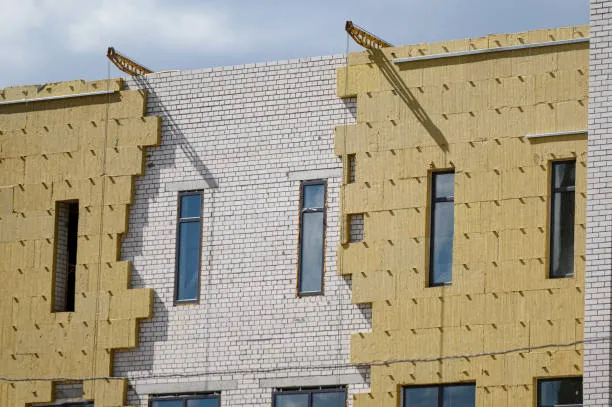
Europe is accelerating its transition toward energy-efficient and environmentally responsible construction. Governments, property developers, and building owners are increasingly recognizing insulation as an essential investment for improving indoor comfort, controlling energy consumption, and reducing carbon emissions. This shift is creating new opportunities for manufacturers offering innovative insulation materials across residential, commercial, and industrial construction.
The Europe Building Insulation Material industry is benefiting from these changing priorities. According to Markntel Advisor, its value is estimated at approximately USD 8.86 billion in 2026 and is anticipated to reach USD 12.06 billion by 2032, registering a CAGR of nearly 4.5% during the forecast period. Growing renovation activities, stricter energy efficiency requirements, and increasing environmental awareness are supporting this expansion.
What Is Encouraging the Adoption of Energy-Efficient Insulation?
Energy conservation has become a major priority for Europe's construction sector. Building insulation plays an important role in maintaining stable indoor temperatures by limiting heat transfer through walls, roofs, floors, and other structural components. This reduces dependence on heating and cooling systems while improving overall building performance.
Additionally, European countries are strengthening construction requirements to support climate targets and lower building-related emissions. Standards promoting nearly zero-energy buildings (NZEB) are encouraging developers to incorporate effective insulation systems into new projects and existing structures. These regulatory developments are making thermal efficiency an increasingly important consideration during construction planning.
How Are Renovation Projects Creating New Opportunities?
Europe has a substantial number of older residential and commercial buildings that were constructed before modern energy efficiency standards became widespread. Many of these properties require structural improvements to reduce heat loss, improve indoor conditions, and minimize energy expenditure.
Consequently, refurbishment initiatives are creating additional opportunities for insulation manufacturers. Property owners are increasingly replacing outdated materials with advanced alternatives that offer better thermal resistance, durability, and moisture management.
The demand extends beyond residential properties. Educational institutions, healthcare facilities, office buildings, and industrial establishments are also upgrading their insulation systems. These improvements help organizations manage operational expenses while supporting long-term energy conservation objectives.
Why Is Material Innovation Becoming Increasingly Important?
Technological advancements are transforming the development of building insulation products. Manufacturers are investing in research and development to introduce materials that combine effective thermal protection with improved fire resistance, moisture control, and installation efficiency.
Another important development is the growing availability of recyclable and bio-based insulation alternatives. These materials are gaining attention as construction companies seek solutions that reduce environmental impact without compromising building performance.
Such innovations are also helping architects and developers address evolving construction requirements. By offering materials with different performance characteristics, manufacturers can support a wider range of building designs and sustainability objectives.
How Are Sustainability Goals Influencing Material Selection?
Environmental responsibility is becoming an important consideration when selecting construction materials throughout Europe. Developers are increasingly examining factors beyond thermal performance, including embodied carbon, product durability, recyclability, and environmental certifications.
This approach is encouraging insulation producers to adopt more resource-efficient manufacturing processes and explore environmentally responsible raw materials. The European Commission's emphasis on sustainable resource utilization and circular economy principles is further supporting the transition toward greener construction practices.
As green building certifications gain importance, insulation products with favorable environmental characteristics are expected to attract greater attention from construction companies, architects, and property developers.
What Does the Future Hold for Europe's Building Insulation Industry?
The long-term outlook for building insulation across Europe remains encouraging. Continued refurbishment investments, government-led energy efficiency initiatives, technological improvements, and rising environmental awareness are expected to support demand through 2032.
Furthermore, growing recognition of the financial benefits associated with reduced energy consumption is encouraging both residential and commercial property owners to prioritize insulation upgrades. Manufacturers capable of delivering durable, efficient, and environmentally responsible products are likely to benefit from these changing requirements.
As Europe progresses toward its climate and energy efficiency objectives, advanced insulation materials will remain an important component of sustainable construction. The combination of regulatory developments, renovation activities, and product innovation is expected to support steady industry expansion while contributing to more energy-efficient buildings across the region.
Related Reading
Why Business & Finance is Transforming the Global Industry Landscape
Welcome to our in-depth exploration of Business & Finance. In an era defined...
Expert Insights: Navigating the Complex World of Business & Finance
Welcome to our in-depth exploration of Business & Finance. In an era defined...