Everest base camp Trek 7 Days Difficulty Level Guide
By Rahul Sheikh
172 Views
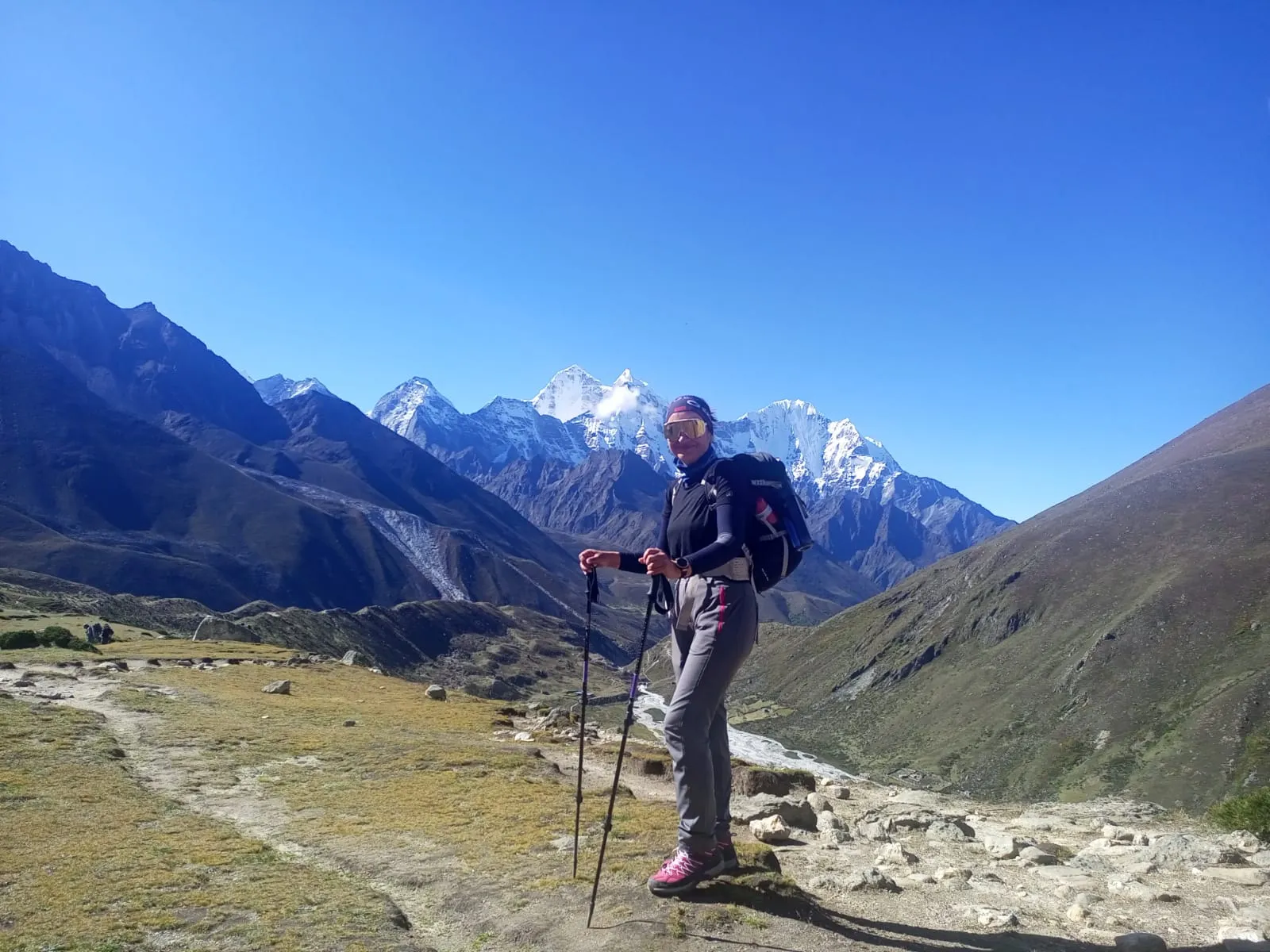
If nothing else, the Everest base camp trek is widely considered easily one of the most iconic high altitude trekking routes in the world, and the Everest Base Camp Trek 7 Days itinerary is even more demanding. As a result, this is because it compresses a long Himalayan journey into a very short timeframe, and that's significant. And honestly? I mean, I've always thought that difficulty in this trek isn't defined only by distance. To be honest, probably by altitude, oxygen levels, terrain, weather, and physical endurance, though context always matters. Does it make sense? Moving on, to put it plainly, to put it plainly: Unlike normal hiking routes, this trek pushes the human body into extreme elevation zones where adaptation becomes limited due to rapid ascent. And it shows. In practice, insight into the difficulty level in detail supports trekkers preparing realistically for what lies ahead from Kathmandu to villages (and this is key) like Namche Bazaar, Dingboche, Lobuche, and finally Gorakshep and Everest Base Camp and the difference shows.
Overall Difficulty Classification Of The 7Day Everest Trek
Most humans don't realize that the Everest base camp Trek 7 Days itinerary is classified as a tough to very tough trek depending on fitness level experience, and weather conditions, at least that's my take. In my experience, to put it plainly:. Which means meanwhile, the trail itself doesn't need technical climbing skills, the combination of altitude and long walking hours quite a bit increases difficulty. Given that context, now, this is where it gets interesting: Trekkers move quickly from low altitude to high altitude zones, which reduces the body’s capacity to adapt naturally. Worth keeping in mind. You know what? Thanks to that, what strikes me is that as elevation increases towards Everest Base Camp, oxygen levels drop dramatically, making even simple walking physically demanding and that's okay to admit not a small thing. I believe it makes sense? In my experience, the (though it varies) evidence is hard to ignore. I mean, you know what? It seems you know what? As a result, this swift ascent is the main reason why the 7day version is more difficult than traditional 12 to 14day itineraries . That's okay to admit and that's okay to admit.
Altitude As The Biggest Difficulty Factor
I think if nothing else, altitude is the most major factor influencing difficulty in the Everest Base Camp Trek 7 Days itinerary, and that's significant in ways that are easy to overlook. In practice, as trekkers move above 3,000 meters, the oxygen level decreases a lot, affecting stamina, breathing, and energy levels and the difference shows. Worth keeping in mind. Here's the thing: Not everyone will say this. It seems but symptoms such as fatigue headache, and shortness of breath may appear as early as Namche Bazaar, where the body begins to feel the effects of reduced oxygen, more often than not. Which means, is that always the case, though? When you step back, at higher elevations like Gorakshep, physical movement becomes noticeably slower and more exhausting. Here's something most humans don't think about: Probably more than you think. Because of how that works, (which is worth noting) the numbers back it up. Because of how that works to put it plainly: If you ask me. Probably this is because the itinerary is short, there's limited time for acclimatization, which increases overall trekking difficulty, which is kind of the whole point.
Daily Trekking Hours And Physical Demand
You know what? As things develop, the Everest base camp Trek 7 Days itinerary involves long walking hours each day, often ranging from 5 to 8 hours depending on terrain and pace and that's okay to admit. With that in mind, what strikes me is that each day involves continuous movement across uphill (though it varies) climbs, downhill descents, suspension bridges, and rocky paths that's just how it works. With that in mind, probably more than you think. My take is that it seems that is always the case, though? With that in mind, now, this is where it gets interesting: Probably more than you think. Even though distances may seem moderate on paper, high altitude shapes each step more tiring than normal hiking conditions that's just how it works. Maybe probably more than you think. I think continuous trekking for multiple days without full REST adds cumulative fatigue, increasing the overall difficulty level in ways that are easy to overlook, at least that is my take.
Terrain Challenges Along The Route
I think the trekking trail includes a variety of terrain types that add to the difficulty in ways that are easy to overlook. I believe what I find interesting is that probably more than you think. Because of how that works, it's hard to argue with that. As a result, not everyone will say this. But in practice when you look at it, lower sections begin with forest paths and river crossings, while higher sections become rocky, steep, and icy more than most humans realize and the difference shows. Personally, right? In reality, I think here's the thing: Suspension bridges need balance and inner strength, especially when crowded. Affected by wind, whether we acknowledge it or not in ways that are easy to overlook. When you really think about it, I think something worth sitting with: In practice, higher regions near Dingboche, Lobuche, and Gorakshep feature uneven glacier terrain (believe it or not) that calls for careful walking and the difference demonstrates in ways that are easy to overlook, if that makes sense. Look to put it plainly: The final approach to Everest Base Camp involves rocky moraine paths that demand concentration and physical effort.
Weather Conditions And Their Impact On Difficulty
To put it plainly: Weather plays a major role in determining how difficult the trek feels. You know what? Here's the thing: In stable seasons like spring and autumn conditions are manageable with clear skies and moderate temperatures, whether we acknowledge it or not and that's okay to admit. As things develop now, this is where it gets interesting: Still, sudden weather changes such as snowfall, powerful winds, or cold waves can increase difficulty instantly. It seems not a small thing. To be fair, most people don't realize that here's the thing: At genuinely higher altitudes, especially near Gorakshep, temperatures can (though it varies) drop sharply even during daytime, increasing physical strain, whether we acknowledge it or not, for what it's worth. In my experience, does that resonate? I believe and honestly? The evidence is hard to ignore, plain and easy enough. Honestly, poor weather also affects visibility, making navigation and movement more tough more often than not, though context always matters. Probably and it shows. Probably more than you think, just saying.
Impact Of Rapid Itinerary On Physical Stress
The 7day Everest Base Camp itinerary increases difficulty. Which means this is because it lowers time for REST and acclimatization. What tends to get missed is that the truth is, traditional itineraries allow gradual altitude gain. I mean, but this version compresses the journey quite a bit. Maybe not always obvious, though. If you think about it, what to be real about is that, as trekkers move quickly from Kathmandu to higher (which is worth noting) regions, the body has less time to adjust to oxygen reduction, and that matters, if that makes sense. Honestly, you see what I mean? To be real about it, in practice, this increases the likelihood of fatigue and altitude-related discomfort and the difference highlights. It adds up. I mean if nothing else, fast progression also means less recovery time between trekking days, adding to physical stress, and that's significant.
Fitness Requirements For The Trek
What good physical fitness is is essential for managing difficulty in the Everest Base Camp Trek 7 Days itinerary, and that matters. When you look at it the honest answer is that cardiovascular endurance, leg strength, and stamina are more critical for handling long uphill sections than most humans realize that's just how it works, more often than not. When you look at it the truth is, trekkers with regular hiking or running experience generally find the trek more manageable compared to beginners more than most people realize. Which means, to put it plainly: Strength in legs and core muscles assists lower fatigue during steep ascents and descents. The evidence is probably hard to ignore. Given that context you see what I mean? Look, the reality is that in practice, without genuinely proper fitness, even short walking distances can feel quite tough at high altitude and the difference highlights. So naturally, in most cases, the evidence is hard to ignore. Simple as that. Well, that's just how it's, just saying.
Mental Difficulty And Psychological Pressure
Honestly, mental endurance is just just as significant as physical strength in the Everest region. Honestly, if nothing else, long trekking days, cold weather, and fatigue can affect motivation, and that's significant, though context always matters. Not a small thing. Here's the thing: Trekkers may experience mental pressure when facing slow progress due to altitude or weather conditions whether we acknowledge it or not. To be honest, does that resonate? But here's what's actually going on honestly staying patient and focused is just essential. Look, this is because rushing increases physical strain and risk, if that makes sense. Worth pausing on., the truth is, the psychological challenge of pushing through discomfort is a major part of overall trek difficulty more often than not.
Effect Of Altitude Sickness On Difficulty Level
To put it plainly: Altitude sickness a lot increases the difficulty of the Everest Base Camp Trek 7 Days itinerary. When you really think about it, now, this is where it gets interesting: Even mild symptoms like headache or nausea can create walking more difficult, which is kinda the whole point. With that in mind now, this is where it gets interesting: I think in severe cases, altitude sickness can force trekkers to stop. Even so, descend, interrupting the journey in ways that are easy to overlook. Because of how that works, the risk increases due genuinely to quick ascent and limited acclimatization time. If you ask me, and it shows. Anyway, you see what I mean? I believe my take? The evidence is hard to ignore full stop, if that makes sense. Look, and that changes things. It seems proper hydration slow pacing, and awareness of symptoms are essential to manage this difficulty factor.
Difficulty Of Descent Vs Ascent
Honestly, while most trekkers focus on uphill difficulty, downhill sections can also be tough more often than not. Perhaps you know what? You know what? Because of this, what tends to get missed is that descending from higher regions genuinely like Gorakshep puts pressure on knees and joints and that's okay to admit and that's okay to admit. The evidence is hard to ignore. The way I see it, simple as that. Well, interesting, right? Here's the thing: Long downhill walks can cause muscle fatigue and soreness, especially after several days of trekking, whether we acknowledge it or not not a small thing. Which means, probably more than you think. Anyway, what strikes me is that what's easy to miss here's that the body often feels a way of morning exhaustion during descent due to accumulated fatigue from previous days that not everyone picks up on. Proper walking technique helps lower pressure on joints and improves safety that's just how it works, for what it is worth.
Role Of Guides In Managing Difficulty
Honestly, experienced guides play a crucial role in reducing the difficulty of the trek more often than not. I think when you look at it, they oversee pacing, monitor health conditions, and give backing during tough sections more than most individuals realize in ways that are easy to overlook worth keeping in mind. Most people don't have a way of realizing that here's the (believe it or not) thing: Guides aid trekkers adjust walking speed according to altitude. Worth noting: Weather conditions, whether we acknowledge it or not that not everyone picks up on, which is kinda the whole point. I believe right? Because of this, what strikes me is that what I find interesting is that the truth (depending on the context) is, they also give encouragement and assistance during physically demanding sections of the trail. Honestly here's the thing: Having a guide quite a bit eases mental and physical stress throughout the journey, whether we acknowledge it or not more often than not, if that makes sense.
Accommodation And Recovery Challenges
What does is that tea house accommodation becomes more basic as altitude increases, which affects recovery quality, and that matters. It seems most folks don't realize that at higher villages like Lobuche and Gorakshep, facilities are limited and temperatures drop quite a bit at night. That matters. Well, what's easy to miss here's that poor sleep quality can increase fatigue and make trekking more difficult the next day. Which means, the numbers back it up. The way I see it, right? With that in mind, in most cases, most folks don't realize that limited heating and basic amenities add to overall discomfort during the trek. Most people don't genuinely realize that proper sleeping gear becomes essential for maintaining recovery and reducing difficulty. That's the real issue. Well, the evidence is hard to ignore, for what it is worth.
Impact Of Trekking Speed On Difficulty
What walking speed plays a major role in determining how tough the trek feels, and that matters. Here's the thing: To put it plainly: Faster walking increases oxygen demand and leads to quicker fatigue whether we acknowledge it or not. Not always obvious, though. So, and honestly? Here's the thing: And here's the part worth paying attention to: A slow and steady pace is recommended to oversee altitude pressure effectively. My take is as simple as that. So naturally, you see what I mean? You know what? If you think about it, most individuals don't realize that rushing through the itinerary increases physical strain and lessens safety margins and that's okay to admit. You know what? If nothing else, maintaining consistent speed is easily one of the most effective strategies for managing difficulty that's just how it works and that's okay to admit, and that's significant.
Seasonal Influence On Difficulty Level
Seasonal timing affects overall difficulty quite a bit. In reality, think about it this genuinely way spring and autumn offer the easiest trekking conditions due to stable weather and clear trails. Not a small thing. Actually, the evidence is hard to ignore. Fair point. So naturally, to put it plainly, what I find interesting is that honestly, winter increases difficulty due (believe it or not) to freezing temperatures and snowcovered paths more often than not and that's saying something. Look, you know what? That said, what monsoon season makes trails slippery and eases visibility, increasing physical and mental challenge, and that matters and that's okay to admit. Thanks to that, the numbers back it up. Here's the thing: Most humans don't realize that to put it plainly: Choosing the right season can greatly lessen or increase overall trek difficulty, whether we acknowledge it or not.
Final Thoughts
Most people don't realize that here's the thing: The Everest base camp Trek 7 Days difficulty level guide highlights that this journey isn't defined by distance alone. But by altitude, endurance, and environmental conditions, whether we acknowledge it or not. Probably more than you think. In practice, what I find interesting is that rapid ascent, limited acclimatization, long walking hours, and unpredictable weather make this itinerary a lot more tough than standard trekking routes. I think why does this matter? It really does. As a result if nothing else, something worth sitting with: From Namche Bazaar to Gorakshep and finally Everest Base Camp, each stage increases physical and mental demands on the trekker, and that's significant. That said with proper fitness, slow pacing, mental preparation, and guide backing, the difficulty becomes manageable, allowing trekkers to safely experience the incredible landscapes and achievement of standing at the base of the world’s highest peak, Mount Everest.