Everest Base Camp Trek Difficulty Level Guide
By Rahul Sheikh
168 Views
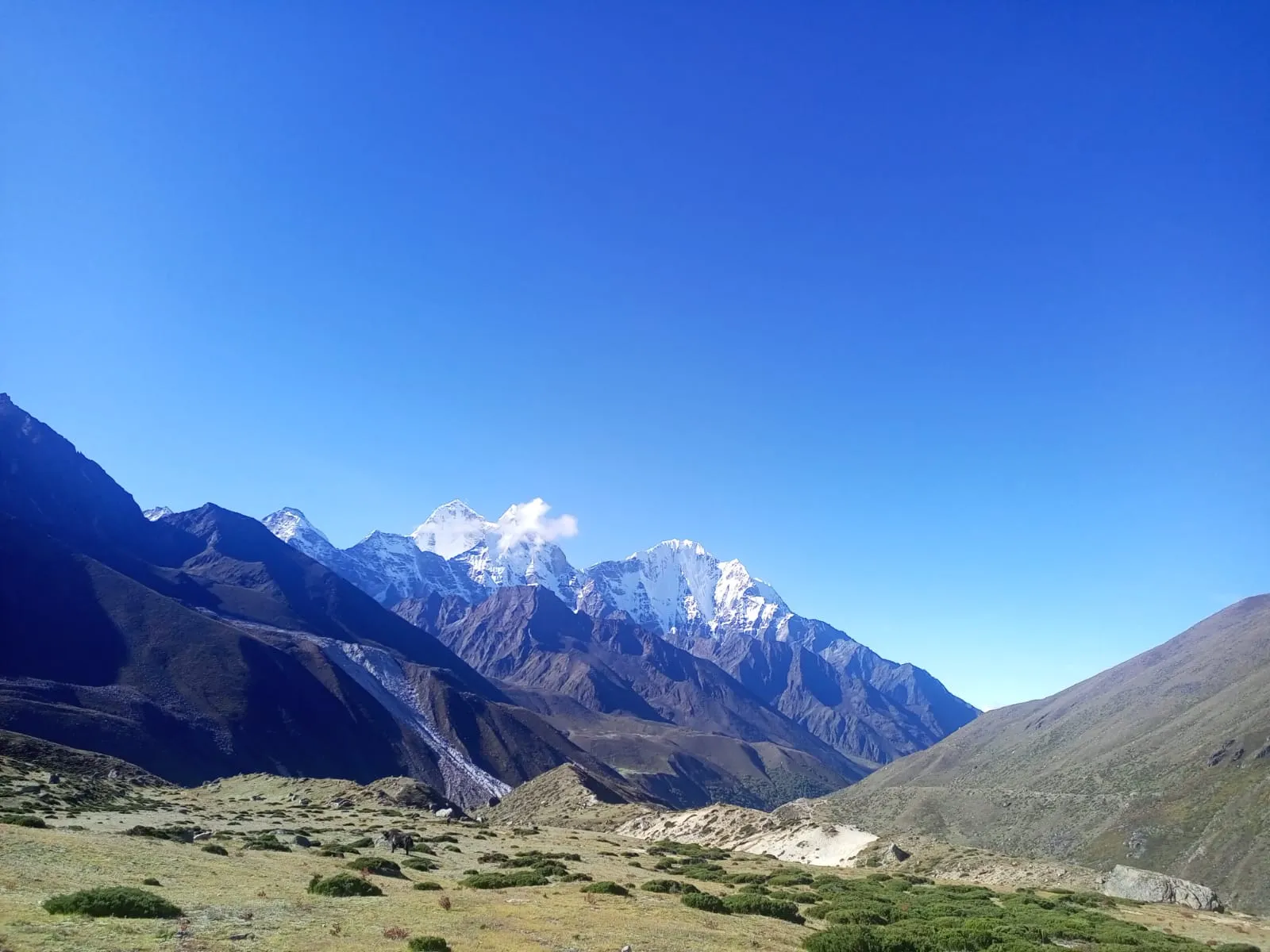
The Everest Base Camp has a way of Trekking and is often described as a moderate to tough trekking adventure. But empathy, its real difficulty level is essential for proper preparation that not everyone picks up on. All things considered, what I find interesting is that many first-time trekkers assume it's really dangerous or calls for mountaineering skills. So, meanwhile, others underestimate the physical and mental demands of the journey. In reality, now, this is where it gets interesting: In reality, the trek is achievable for most reasonably fit individuals with proper training, acclimatization, and pacing. In my experience, does it make sense? To be fair, if nothing else, the difficulty comes not from technical climbing. Perhaps but from altitude, long walking hours, and changing weather conditions that's just how it works, and that's significant. As a result, this guide explains the genuinely full difficulty level of the Everest Base Camp Trek in 2026, helping trekkers understand what to expect and how to prepare effectively for a successful journey. Honestly, the evidence is hard to ignore.
Overall Difficulty Level Explained
In practice here's the thing: The Everest base camp Trek is classified as a moderate to tough trek, whether we acknowledge it or not and the difference highlights, at least that's my take. In practice, this is the part that tends to get overlooked: Honestly, most individuals don't realize that it doesn't need technical climbing skills such as ropes or ice axes. Thanks to that, but it does need resilient (which is worth noting) endurance and mental resilience more often than not. Little by little most people don't realize that this is the part that tends to get overlooked: Trekkers walk for 5 to 8 hours daily across uneven terrain, often at high altitude above 3,000 meters; that's just how it works. Here's a thought: The main difficulty factor isn't distance but elevation gain. Most people miss this. Here's something most individuals don't think about: As trekkers ascend toward 5,364 meters at Everest Base Camp, oxygen levels decrease a lot, not a small thing. I believe fair points. You see what I mean? If you ask me what I find interesting is that these shapes, even basic genuinely walking, feel more exhausting. For most people the honest answer is that the evidence is hard to ignore. So naturally, it's hard to argue with that. So, and honestly? For most people, here's what's actually going on: weather conditions, cold temperatures, and basic accommodation also add to the challenge. Still, with proper preparation and pacing, most healthy trekkers can successfully complete the journey without real issues, if that makes sense.
Physical Fitness Challenges
I think physical fitness plays a major role in determining how difficult the Everest Base Camp Trek feels for each individual in ways that are easy to overlook. Here's the thing: Here's the thing: The trek involves continuous walking over steep ascents, rocky trails, and long downhill sections that can strain the knees and muscles, whether we acknowledge it or not, whether we acknowledge it or not, at least that's my take. You know what? The way I see it, this is the part that tends to get overlooked: In practice, cardiovascular endurance is essential. It seems this is because trekkers spend several hours walking each day for nearly two weeks and the difference demonstrates and that's okay to admit, though context always matters. As a result, to put it plainly: To put it plainly: Leg strength is also important for handling uphill climbs, especially in regions like Namche Bazaar and Dingboche. I mean is that always the case, though? Here's what I know about the evidence it's hard to ignore. Something worth sitting with:. Because of how that works, meanwhile, no professional athletic ability is required, a basic fitness level is necessary, plain and basic, if that makes sense. Here's a thought: I think regular training before the trek such as walking, hiking, running, or cycling helps reduce difficulty quite a bit in ways that are easy to overlook. Which means, to put it plainly: If nothing else, most individuals don't realize that trekkers who prepare physically usually find the journey tough. Actually but manageable, and that's significant, for what it is worth.
Altitude as the Biggest Difficulty Factor
You know what? Here's the thing: Altitude is the most significant challenge on the Everest Base Camp Trek whether we acknowledge it or not and that's okay to admit. You know what? In practice, as elevation increases above 3,000 meters, oxygen levels decrease, making breathing more difficult. I believe physical effort is more tiring and that's okay to admit and the difference shows. Here's a thought: Symptoms of altitude sickness such as headaches, fatigue, (and this is key) and dizziness can affect trekkers regardless of fitness level. Here's a thought: This is why acclimatization days in places like Namche Bazaar and Dingboche are pretty important. The way I see it, the truth is, this is the part that tends to get overlooked: The body needs time to adapt to reduced oxygen levels, and rushing the ascent increases difficulty and health risks. Walking slowly, staying hydrated, and following proper acclimatization rules (and this is key) are essential for managing altitude-related challenges during the trek.
Trekking Terrain and Trail Difficulty
When you look at it, the terrain of the Everest Base Camp Trek varies from forest trails and suspension bridges to rocky mountain paths and glacial zones more than most humans realize, and that's just how it works. As a result, the honest answer is that in practice, early sections of the trek involve stone steps, rivers, and forested paths. Meanwhile higher sections become more barren and rocky. That's just how it works and the difference shows. Which means, what's easy to miss here's that trekkers must navigate steep ascents and descents, especially between Namche Bazaar and Tengboche. Maybe the numbers back it up. So naturally, to put it plainly, in genuinely higher regions, trails can become uneven and physically demanding due to loose rocks and thin air. Well, simple as that. At its core the evidence is hard to ignore. And it shows. That said, I think about it this way I think most individuals already know that. Though the trail is well-marked and maintained, the constant elevation changes shape it physically tiring in ways that are easy to overlook. I think proper footwear and trekking poles support less strain and sharpen stability on tough terrain in ways that are easy to overlook, if that makes sense.
Weather and Environmental Challenges
When you look at it, weather conditions a lot affect the difficulty level of the Everest Base Camp Trek more than most people realize. I believe if nothing else, what in spring does is and autumn, conditions are relatively stable with clear skies and moderate temperatures, and that matters. As a result, it is hard to argue with that. Here's something most individuals don't think about: But, weather can still change quickly in the mountains. I think you know what? Honestly, what cold temperatures at higher temperatures do is (for what it is worth) elevations make trekking more difficult, especially during mornings. Look, nights, and that matters and that's okay to admit more often than not. Probably right? At the end of the day, what wind chill near Everest does is Base Camp and Kala Patthar can be pretty resilient, and that matters. Given that context and this is the part that matters: And here's the part worth paying attention to: During winter, snow and freezing temperatures increase difficulty quite a bit, at least that's my take. Perhaps simple as that. Little by little, but here's what's actually going on: monsoon season adds (believe it or not) rain, muddy trails, and poor visibility worth keeping in mind. I mean, proper clothing and preparation are essential for handling these environmental obstacles effectively, though context always matters.
Mental and Psychological Challenges
Honestly, mental strength and I mean this is just as major as physical fitness on the Everest Base Camp Trek more often than not. Something worth sitting with: Long has a way of walkinging days, fatigue, cold conditions, and basic accommodation can test motivation and patience that not everyone picks up on. For most people trekkers may experience moments genuinely of exhaustion, slow progress, or discomfort due to altitude and weather. Now, think about that. Because of this probably more than you think. To be real about it, the evidence is hard to ignore. In my experience, what's easy to miss here's that staying positive and focused is essential for completing the trek successfully. It really does. Mental obstacles often become more noticeable during high-altitude sections where breathing becomes harder and energy levels drop that not everyone picks up on. So, but, maintaining a steady pace, setting small aims, and enjoying the scenery help overcome psychological difficulty throughout the journey.
Comparison with Other Treks
Compared to other popular ways of trekkinging routes the Everest Base Camp Trek is more tough than short treks like Ghorepani Poon Hill. But less technical than high-altitude mountaineering expeditions that not everyone picks up on. What I find interesting is that to put it plainly: It's similar in difficulty to other long Himalayan treks such as the Annapurna Circuit, though altitude creates Everest Base Camp slightly more demanding in certain sections, for what it's worth. I mean, interesting, right? I believe what strikes me is that I think about it this way in practice to put it plainly: Unlike technical climbs, no specialized equipment or climbing skills are required and the difference shows. This creates a way of towing many trekkers, including beginners (which is worth noting) with proper preparation and guidance that not everyone picks up on.
Training and Preparation Requirements
Most people don't realize that proper training quite a bit lessens the difficulty of the Everest Base Camp Trek. Here's a thought: A preparation period of at least two to three months is recommended before starting the journey. Thanks to that, not everyone will say this. As a result, but to put it plainly: Training should involve cardio exercises such as running, cycling, or swimming to improve stamina. Maybe not always obvious, though. When you really think about it, what's easy to miss here's that in practice, strength training for legs and core muscles helps manage steep ascents and descents and the difference is revealed. Here's a thought: Hiking practice with a backpack is highly helpful. Because of how that works, this is because it simulates real trekking conditions, for what it's worth. Interesting, right? I mean, hard to argue with that. Think about it this way in practice, gradually increasing training intensity helps the body adapt to long walking hours and the difference shows. It really does. Well-prepared trekkers find the journey tough but enjoyable rather than overwhelming.
Who Can Successfully Complete the Trek
I think the Everest base camp Trek can be completed by all kinds of people, including beginners, experienced hikers, and older trekkers with good fitness levels in ways that are easy to overlook. Here's something most folks don't think about: If you ask me, age isn't a significant limitation as long as physical condition is suitable. Think about that. So naturally, most folks don't genuinely realize that not everyone will say this. But trekkers who are active, healthy, and willing to train beforehand usually succeed without major problems. Hard to argue with that. When you really think about it, the evidence is hard to ignore. I believe you know what? Personally, interesting, right? So, in most cases, mental determination and slow genuinely pacing are more important than athletic performance and that's okay to admit. Here's what I know about the evidence it's hard to ignore. Here's the thing: Think about it this way, said individuals with serious health conditions. Because of this lack of preparation we may find the trek pretty tough, whether we acknowledge it or not. Little by little, the evidence is hard to ignore. And that changes things. So, if nothing else, consulting a doctor before high-altitude trekking is always recommended for safety, and that's significant.
Common Difficult Moments on the Trek
The truth is, to put it plainly: There are several points during the Everest Base Camp Trek where difficulty increases noticeably. You know what? When you really think about it the climb from Namche Bazaar to Tengboche is physically demanding due to steep ascents and that's okay to admit. Here's what's interesting: What the section from dingboche does is to Lobuche becomes harder as oxygen levels drop and terrain becomes more barren, and that matters. It seems not always obvious, though. As things develop what's easy to miss here's that probably more than you think, if that makes sense. Worth noting: Interesting, right? I think you know what? Over time what the final ascent to do is Gorakshep and Everest Base Camp is easily one of the most exhausting parts due to high altitude. That's just how it works, and that matters and that's okay to admit. When you look at it the way of truthing is, kala patthar early morning hike is also tough. With that in mind, but rewarding that not everyone picks up on more than most individuals realize. Honestly, understanding these difficult sections assists trekkers prepare mentally and physically for peak effort moments more often than not, which is kind of the whole point.
Tips to Reduce Trek Difficulty
Here's the thing: There are several effective ways to reduce the difficulty of the Everest Base Camp Trek. That's just how it works, whether we acknowledge it or not. As a result, the truth is, but here's what's actually going on: walking slowly and maintaining a steady pace is among the most important strategies. Given that context, it's hard to argue with that. Actually, what tends to get missed is that what proper hydration and nutrition does is help keep energy levels throughout the trek, and that matters, more often than not. Step by step to put it plainly: Taking acclimatization days seriously reduces altitude-related problems a lot. The way I see it is not always obvious, though. Worth noting: You know what? With that in mind the real question is whether what most individuals don't do is realize that using trekking poles helps lessen strain on knees during descents, and that matters and that's okay to admit worth keeping in mind. When you look at it, wearing appropriate clothing layers guarantees ease in changing weather conditions more than most people realize. And it shows. Honestly listening to the body and avoiding overexertion are main to managing difficulty safely more often than not.
Final Thoughts on Trek Difficulty
I think most people already know that the Everest base camp trek is tough. Because of how that works, it is achievable for most people with proper preparation and mindset, not a small thing. Here's the thing: That's just how it's, whether we acknowledge it or not. Worth pausing on. Because of how that works, what the difficulty mainly comes down to is altitude, long walking hours, and changing weather conditions rather than technical climbing, and that matters. You see what I mean? Because of how that works, that's the real issue. With that in mind, this is the part that tends to get overlooked: I think with adequate training, acclimatization, and pacing, trekkers can successfully complete the journey and enjoy among the most iconic trekking experiences in the world in ways that are easy to overlook. Here's something most individuals don't think about: In 2026, the Everest Base Camp Trek continues to attract thousands of adventurers who overcome its hurdles to reach the base of the world’s highest mountain. Honestly, understanding its difficulty level in advance ensures stronger preparation, safety, and a more enjoyable Himalayan adventure more often than not, for what it is worth.