Everest Base Camp Trek has a way of Altering Sickness Prevention Guide 2026
By Rahul Sheikh
141 Views
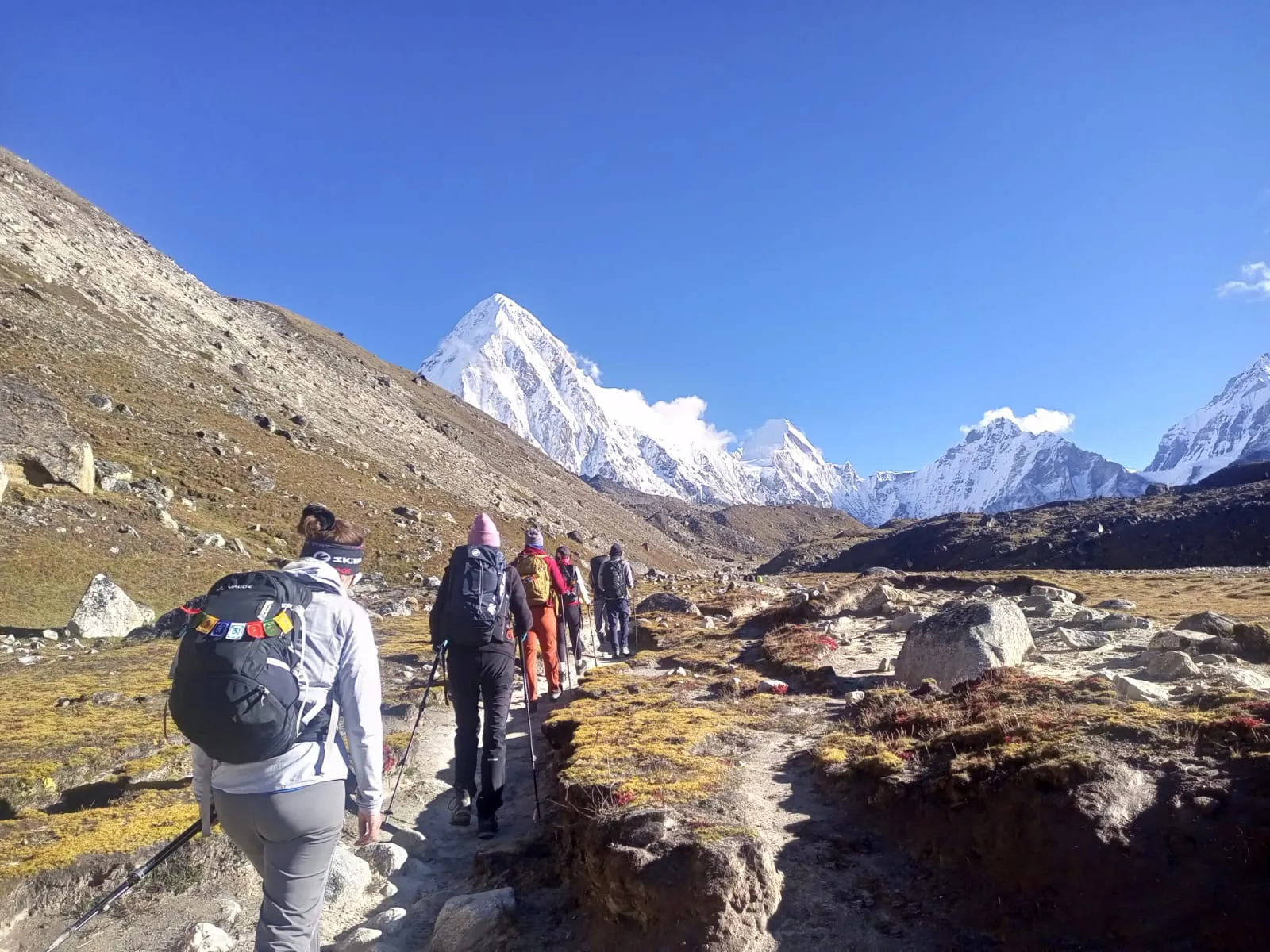
I think altitude sickness is among the most important topics every Everest Base Camp trekker must understand before starting the journey. Perhaps what I find interesting is that I think when you look at it, the truth is, it can affect anyone regardless of fitness level, age, or experience more than most humans realize in ways that are easy to overlook. To be real genuinely about it I think. Given that the trek reaches elevations above 5,000 meters, the body must adapt to lower oxygen levels in ways that are easy to overlook, not a small thing. Thanks to that, the evidence is hard to ignore. The truth is, insight prevention methods help trekkers stay (though it varies) safe and enjoy the Himalayas without serious health risks, which is kind of the whole point.
What is Altitude Sickness
If nothing else the way I genuinely see it, altitude sickness happens when the body struggles to adjust to reduced oxygen at high elevations, and that's significant. As a result, the evidence is hard to ignore, plain and simple, if that makes sense. Worth keeping in mind. Look, right? Here's the thing: Most folks don't realize that it usually appears above 2,500 to 3,000 meters, whether we acknowledge it or not. In practice the truth (believe it or not) is, symptoms can start mildly. With that in mind but become serious if ignored and the difference shows. I believe typical signs involve headaches, nausea, dizziness, and fatigue, which show that the body needs more time to acclimatize properly, for what it is worth.
Early Symptoms to Watch
You know what? Step by step the way of truthing is, to be fair, recognizing early symptoms is really major during the Everest Base Camp Trek and that's okay to admit that not everyone picks up on, at least that's my take. To be real about it, mild headaches, loss of appetite, and difficulty (for what it is worth) sleeping are common warning signs, that's just how it works. So, is that always the case, though? Here's the thing: What the truth is, many trekkers ignore these early signals. But doing so can lead to more severe conditions, and that matters, whether we acknowledge it or not. When you look at it, paying attention to how your body feels is key to safe trekking in high-altitude environments more than most people realize.
Acclimatization Strategy
I think acclimatization is the most effective way to prevent altitude sickness. The reality is that the trek covers REST days in places like Namche Bazaar and Dingboche to aid the body adjust gradually, though context always matters. Does it make sense? Well, it adds up. In practice, the truth is, these REST days aren't optional. But essential, as they allow oxygen levels in the blood to stabilize and reduce the risk of serious altitude-related problems and the difference shows, for what it is worth.
Slow and Steady Ascent
In practice, ascending slowly is easily one of the most significant rules of high-altitude trekking. Now, this is where it gets interesting: Gaining elevation too quickly increases the risk of altitude sickness a lot. Here's the thing: To put it plainly: The truth is the Everest Base Camp route is designed with gradual altitude gain, and following (depending on the context) the itinerary properly gives the body enough time to adapt naturally to changing conditions, whether we acknowledge it or not. The evidence is hard to ignore, if that makes sense.
Hydration and Nutrition
Honestly, staying hydrated plays a big role in preventing altitude sickness, which is kinda the whole point. Probably at the end of the day, drinking enough water aids genuinely the body function properly in low-oxygen conditions worth keeping in mind. With that in mind, (and this is key) you see what I mean? When you step back, this is the part that tends to get overlooked: The evidence is hard to ignore. The way I see it, proper nutrition is equally major. This is because energy levels drop quickly at high altitude, and regular (depending on the context) meals aid in maintaining strength and overall stability during the trek, though context always matters.
Medication and Prevention Aids
Most people don't realize that to be fair, some trekkers use medications like Diamox to help with altitude adjustment. In reality but here's what's actually going on that said, it should only be taken under medical advice. When you really think about it the (though it varies) truth is, medication can support acclimatization. So but can't replace proper pacing and REST that's just how it works, for what it's worth. I believe that it resonates? Probably more than you think. Honestly, if nothing else, natural adaptation remains the most reliable and safest method for preventing altitude-related illness during the trek, and that's significant more often than not, if that makes sense.
When to Descend
I think knowing when to descend is crucial for safety. That said, if nothing else, most people don't realize that if symptoms become severe, the only effective treatment is moving to a lower altitude immediately, and that's significant. Here's the thing: The honest answer is that the truth is, ignoring serious symptoms can be dangerous. With that in mind trekkers must focus on health over reaching the destination that not everyone picks up on. In practice, the evidence is hard to ignore. Why does this matter? Look, it really does. Maybe my take? Turning back or descending is always the correct (believe it or not) decision in such situations full stop.
Conclusion
You know what? At its core, to put it plainly: Altitude sickness is serious. But manageable risk on the Everest Base Camp Trek and (depending on the context) that's okay to admit that's just how it works. Here's the thing: Think about it this way I think proper acclimatization, slow ascent, and hydration. Which means, awareness of symptoms creates a huge difference, whether we acknowledge it or not. Not always obvious, though. With that in mind, if nothing else, what this does is genuinely true, most trekkers complete the journey safely when they respect altitude. As a result, listen to their bodies, allowing them to fully enjoy the incredible Himalayan experience, and that matters. The evidence is hard to ignore which is kind of the whole point.