Floor Sawing Contractors Delivering Safe and Accurate Concrete Cutting
By zoehsewell
140 Views
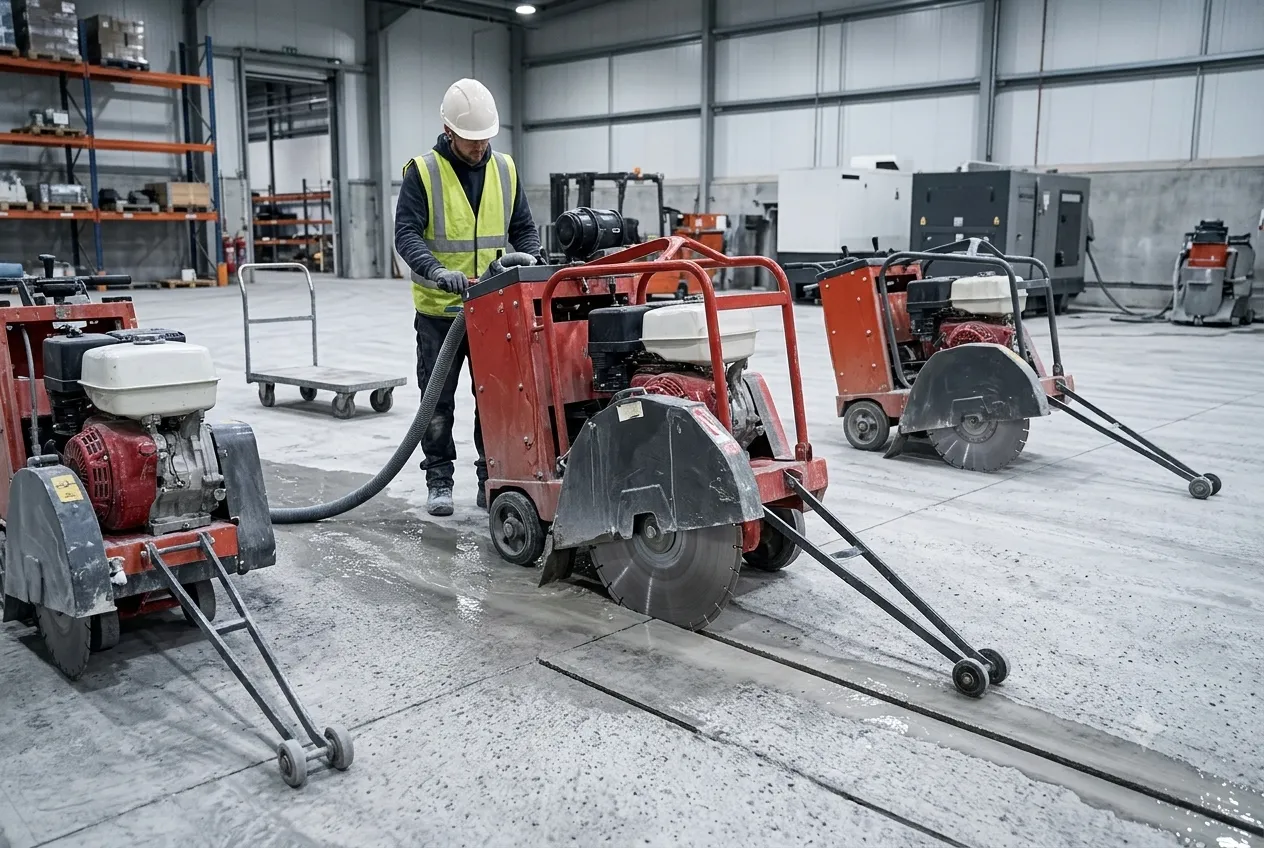
Have you ever wondered how contractors create those perfectly straight cuts in concrete floors? Perhaps you're planning a renovation and need to remove a section of your slab, or maybe you're curious about how utility trenches appear so neat and precise. Whatever brought you here, understanding floor sawing can save you time, money, and a whole lot of headaches.
Floor sawing is one of those trades that looks straightforward but requires serious skill and the right equipment. When done properly, it transforms what could be a messy demolition job into a clean, controlled process. Getting it wrong, however, can lead to structural damage, safety hazards, and costly repairs down the track.
We'll explore everything you need to know about floor sawing contractors and their craft. You'll discover how the process works, why hiring professionals makes sense, and what to look for when choosing a contractor. We'll also cover safety standards, common applications, and the key benefits of precision concrete cutting. By the end, you'll be well-equipped to make informed decisions for your next project.
What is Floor Sawing and How Does It Work?
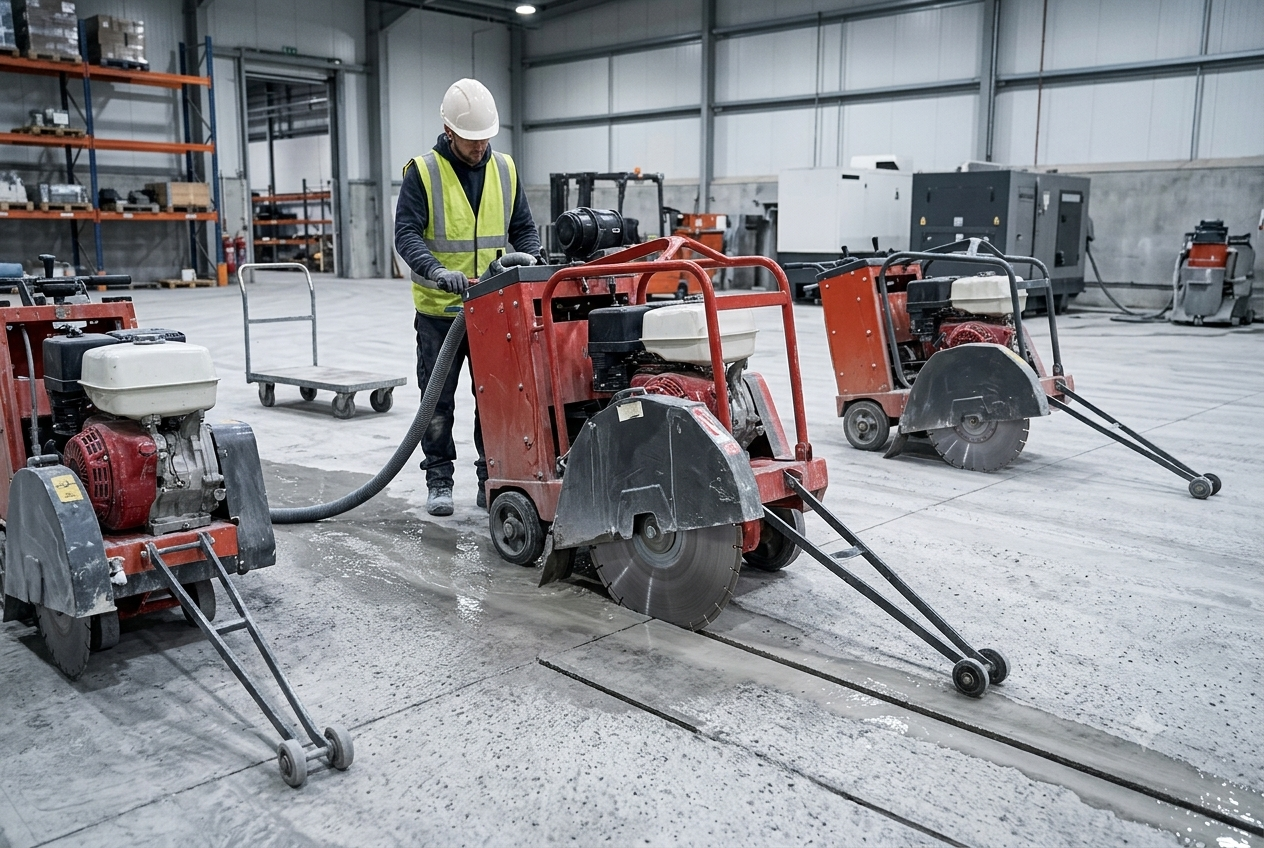
Floor sawing, sometimes called slab sawing or flat sawing, involves cutting horizontal concrete surfaces using a specialised walk-behind saw. The operator guides the machine along marked lines, allowing the diamond blade to slice through concrete with impressive accuracy.
The Equipment Behind Professional Floor Sawing
Professional floor sawing relies on heavy-duty equipment designed for demanding conditions. The saws typically feature powerful petrol or electric motors paired with diamond-tipped blades that can cut through reinforced concrete, asphalt, and other hard surfaces.
Types of Concrete Surfaces Suitable for Floor Sawing
Floor sawing works brilliantly on flat, horizontal surfaces. This includes concrete slabs, warehouse floors, driveways, footpaths, and road surfaces. The technique handles both plain and reinforced concrete, though cutting through steel reinforcement does require appropriate blade selection and slightly slower cutting speeds.
Why Hire Professional Floor Sawing Contractors?
While it might be tempting to tackle concrete cutting yourself, there are compelling reasons to bring in the experts. Professional contractors bring experience, proper equipment, and an understanding of safety requirements that most DIY enthusiasts simply don't have.
The Risks of DIY Concrete Cutting
Attempting concrete cutting without proper training is genuinely dangerous. The equipment is heavy, powerful, and unforgiving. Kickback from the blade can cause serious injuries, while improper technique can damage underground utilities or compromise structural integrity.
How Do You Cut Concrete Safely?
Safe concrete cutting requires proper planning, appropriate protective equipment, and correct technique. Before any cutting begins, contractors locate underground services using detection equipment. They then mark cut lines clearly and set up water suppression to control dust.
Licensing and Insurance: What to Look For
Reputable floor sawing contractors hold appropriate trade licences and carry comprehensive insurance coverage. In Australia, this typically includes public liability insurance and workers' compensation. Don't hesitate to ask for proof of coverage before work commences.
Key Benefits of Precision Concrete Floor Cutting
When executed properly, floor sawing delivers benefits that alternative methods simply can't match. Understanding these advantages helps explain why professionals favour this technique for so many applications.
Minimising Structural Damage
Unlike jackhammering or breaking, floor sawing creates clean cuts that don't transmit shock waves through surrounding concrete. This precision protects adjacent structures from cracking or displacement, making it ideal for renovation work where preserving existing elements matters.
Achieving Clean, Accurate Cuts Every Time
Diamond blade technology allows contractors to achieve remarkably straight, smooth cuts. This accuracy proves essential when creating expansion joints, removing specific sections for repair, or cutting openings for new services. The finished edges typically require minimal additional work.
Reducing Project Downtime and Costs
Speed matters on construction sites, and floor sawing delivers efficiency that alternative methods can't match. A skilled operator can complete cuts quickly, allowing subsequent trades to commence their work sooner. This streamlined approach ultimately reduces overall project costs.
What Is the Best Method to Cut Concrete?
Different concrete cutting methods suit different situations. Understanding your options helps you appreciate why contractors recommend specific approaches.
Floor Sawing vs Wall Sawing vs Core Drilling
Floor sawing handles horizontal surfaces, while wall sawing tackles vertical or overhead cuts using track-mounted equipment. Core drilling creates circular holes for pipes, cables, or anchors. Each technique has its place, and professional contractors often combine methods on complex projects.
When Is Floor Sawing the Right Choice?
Floor sawing excels when you need straight cuts in flat surfaces. Common scenarios include creating control joints in new concrete, cutting trenches for services, removing damaged sections for repair, and cutting openings for stairs or equipment pits. If your project involves horizontal concrete, floor sawing is likely your best bet.
Safety Standards and Compliance in Concrete Cutting
Australian workplaces operate under strict health and safety regulations, and concrete cutting is no exception. Professional contractors understand these requirements and build compliance into their standard operating procedures.
Australian Workplace Health and Safety Requirements
Safe Work Australia and state-based regulators set clear standards for concrete cutting operations. These cover everything from equipment maintenance and operator training to site setup and hazard management. Contractors must conduct risk assessments before work begins and implement appropriate control measures.
How Contractors Manage Dust, Noise and Vibration
Concrete dust contains crystalline silica, which poses serious respiratory health risks. Professional contractors manage this through water suppression during cutting, which captures dust at the source. They also use appropriate respiratory protection and implement exclusion zones to protect other workers.
Can Concrete Be Cut Without Water?
Dry cutting is possible using specialised blades and vacuum extraction systems. However, wet cutting remains the preferred method for most floor sawing applications. Water cools the blade, extends its lifespan, and provides superior dust suppression. Dry cutting suits situations where water damage is a concern or water supply is unavailable.
Common Applications for Floor Sawing Services
Floor sawing contractors serve diverse clients across residential, commercial, and infrastructure sectors. Understanding common applications helps you identify when this service might suit your needs.
Residential Renovations and Extensions
Home renovations frequently require concrete cutting. This might involve creating openings for basement access, cutting trenches for new plumbing or electrical services, or removing damaged sections of existing slabs. Professional floor sawing keeps residential projects clean and controlled.
Commercial and Industrial Projects
Warehouses, factories, and commercial buildings often need floor modifications. Floor sawing creates expansion joints that prevent uncontrolled cracking, cuts openings for machinery installation, and provides access for service upgrades. The minimal disruption suits busy commercial environments.
Road and Infrastructure Works
Council and government projects rely heavily on floor sawing for road repairs, footpath modifications, and utility access. The technique allows contractors to remove specific sections without disturbing surrounding pavement, reducing traffic disruption and reinstatement costs.
How to Choose the Right Floor Sawing Contractor
Selecting the right contractor requires some homework. Taking time to evaluate your options pays dividends in project outcomes.
Questions to Ask Before Hiring
Start by asking about experience with similar projects. Enquire about equipment capabilities, insurance coverage, and safety procedures. Request references from recent clients and ask about their typical response times and availability.
Red Flags to Watch Out For
Be wary of contractors who provide quotes without inspecting the site, can't show insurance certificates, or pressure you into immediate decisions. Unusually low quotes often indicate corner-cutting that may cost you more later.
Getting Accurate Quotes and Comparing Services
For accurate quotes, provide detailed information about your project including concrete thickness, reinforcement presence, cut lengths, and site access. Compare quotes carefully, ensuring they cover the same scope of work before making decisions based purely on price.
Investing in Professional Concrete Cutting Services
Choosing professional floor sawing contractors for your concrete cutting needs makes sense on multiple levels. You get access to specialised equipment, trained operators, and the peace of mind that comes from proper insurance and safety compliance. The precision these professionals deliver protects your property and sets subsequent work up for success.
Throughout this guide, we've explored how floor sawing works, why professional expertise matters, and what to look for when selecting a contractor. Whether you're tackling a residential renovation, commercial fitout, or infrastructure project, understanding these fundamentals helps you make informed decisions
So, when your next project requires concrete cutting, remember that quality floor sawing contractors deliver more than just cuts in concrete. They bring expertise, safety, and efficiency that DIY approaches simply can't match. Reach out to reputable local contractors, ask the right questions, and invest in professional services that protect your project from start to finish.