From Victorian Terraces to Modern Apartments: Choosing Wood Flooring for Every UK Home
By Floorsave Online
17 Views
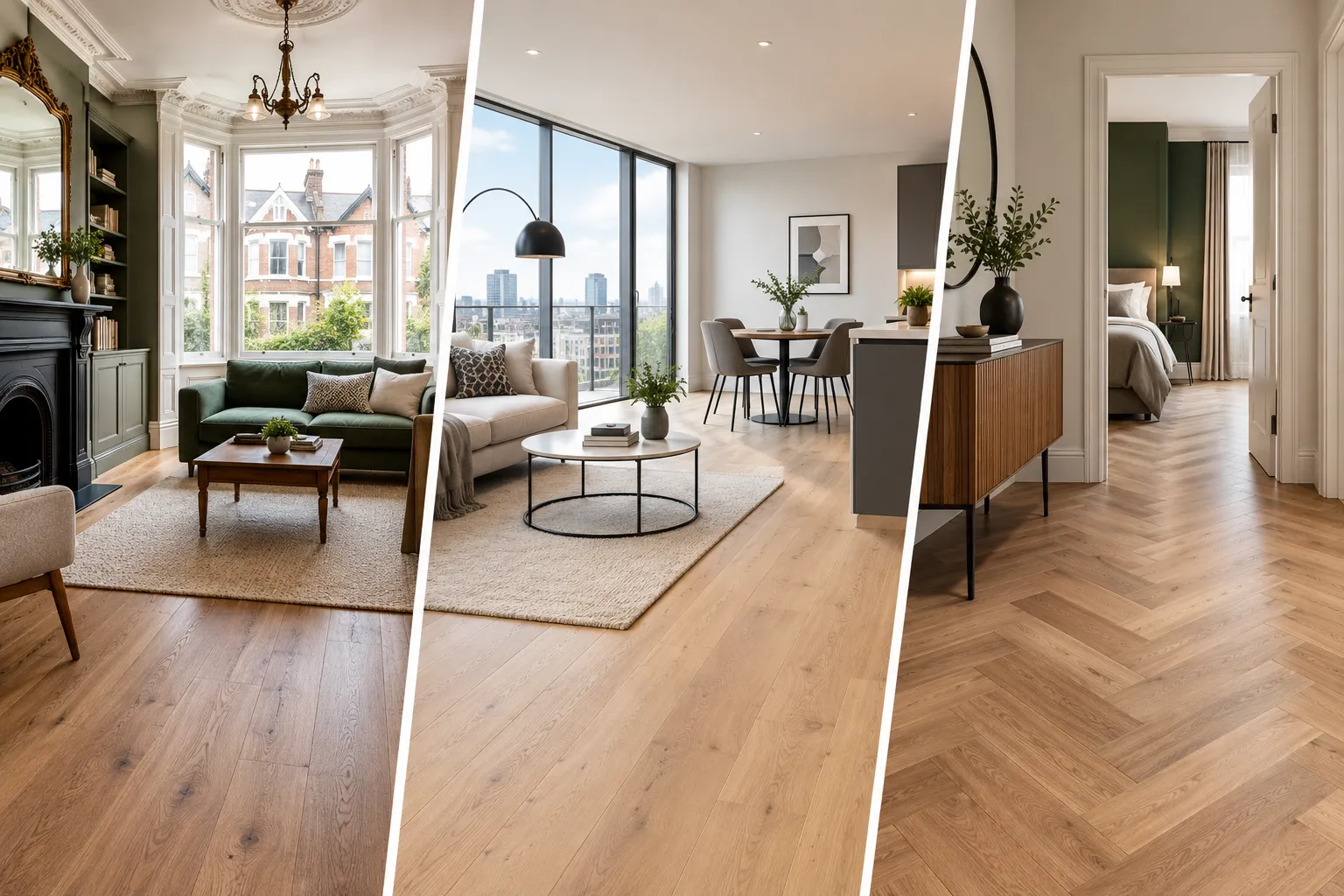
Deciding on the right floor covering is a big decision for basically any homeowner. It affects how a room looks, how it feels underfoot, and how practical it is, and in the end it also shapes the overall vibe or character of the place. In the UK, you’ve got Victorian terraces, Edwardian houses, newer apartments, and open-plan layouts all living next to each other, so flooring needs can be totally different depending on the setting.
Among all options, timeless wood flooring still feels like a go-to option, mostly because it brings natural charm while also giving you plenty of design flexibility. You can go for those classic oak looks that sit nicely with older architectural details, or you can pick more modern planks that match clean, minimalist rooms. With the right choice, the flooring can really help pull everything together and make the home feel more inviting.
Making a choice on flooring isn’t just about shade and surface appearance. It’s also worth thinking about room size and proportions, what installation actually requires, the moisture level in the space, plus how much upkeep you’re willing to do. When you get clear on these things, it becomes easier to find a floor option that fits both the property itself and your needs.
What Is the Best Wood Flooring for Different Types of UK Homes?
Honestly, it really comes down to the home itself, like the architectural vibe, how much space you’ve got, and what your day-to-day looks like. So a Victorian terrace may feel right with those classic designs and patterns, whereas a modern apartment can often do better with wider planks and a lighter finish.
For period properties, natural oak shades and traditional layouts tend to sit nicely with original details, like decorative fireplaces, ceiling roses, and that older style of mouldings. Meanwhile, in contemporary places, clean lines and understated coatings can make rooms feel airy and not too busy.
You might want to consider these options depending on the property type:
Victorian and Edwardian homes: Traditional oak tones, plus a herringbone pattern, can complement the period character.
Modern apartments: Straight boards, in light or natural finishes, can give a more streamlined look.
Open-plan homes: Having consistent flooring can help visually link the kitchen, dining, and living areas without it feeling chopped up.
Family homes: Durable finishes and simple, no-fuss cleaning routines can make everyday upkeep easier.
In the end, the most suitable wood flooring is the one that matches the home’s own character and your practical needs, not just whatever is trending at the moment.
Why Is Herringbone Engineered Oak Flooring Ideal for Period Properties?
With classic herringbone engineered oak flooring, you get today’s refined look. The design comes from rectangular planks set at right angles, so you get that zigzag effect. It brings movement and visual interest, but it doesn't need loud colours or heavy ornamentation to stand out.
Most engineered oak flooring includes a real oak surface layer that’s fixed to a multi-layer core. That design can help with dimensional stability compared with solid wood, especially when indoor humidity and temperature start changing. That said, results depend on the exact product and also how it’s installed and acclimatised.
Herringbone flooring also tends to shine in entrance halls, living rooms, and dining spaces, where the pattern can become the feature everyone notices. You can go for natural oak, smoked finishes, or those warmer brown tones that feel right at home in older properties, while lighter shades can give a more modern, crisp appearance.
Is Engineered Wood Flooring Suitable for Modern Apartments?
Absolutely yes, because engineered wood flooring gives you a real wood look, but with a layered setup meant to stay more dimensionally stable than people expect from solid boards.
So, unlike solid wood, engineered flooring is made with a real wood veneer or wear layer on top and then a supporting core underneath. Of course, the exact build is different across brands, so you really should check things like total thickness, the depth of the top wear layer, and whatever installation conditions they ask for before buying.
In most apartments, lighter oak finishes, or even wider planks, can help you get a calm modern feel. Pale natural tones pair nicely with neutral walls and minimalist furniture, while medium oak finishes tend to bring a bit more warmth into a monochrome or industrial-style interior.
Before you commit, there are a few practical bits to look at, like these:
Acoustic performance: Check the building needs, then pick an underlay or flooring system that is allowed.
Installation method: Identify whether it should be glued down, floated, or fitted using another manufacturer-approved technique.
Underfloor heating: Confirm the flooring is actually compatible with your heating system; otherwise, it can get weird.
Room conditions: Measure moisture levels and make sure the subfloor is properly prepared, because apartments aren’t always dry in a simple way.
Building regulations and lease terms: Check the rules for your flat, especially if there are shared structures involved.
Overall, engineered wood flooring can offer a nice middle ground between natural appearance and everyday performance, as long as the specific product matches your building situation and how it will be installed.
Which Wood Flooring Colour Works Best with British Interior Styles?
A good flooring colour should match what you already have, like architectural details, the wall colours, the furniture, and yes, even the amount of natural light you get day to day.
Natural oak is a pretty flexible choice for both older-looking homes and newer spaces. It has those warm undertones that sit nicely with brickwork, cream coloured walls, and traditional pieces. Yet it can also blend into contemporary neutral schemes, surprisingly well.
If you are looking at other directions, you might consider:
Light oak: This one suits Scandinavian vibes, smaller rooms, and those minimalist apartments where everything feels a bit cleaner and lighter.
Medium oak: It brings a steady warmth, and it tends to work with a lot of different furniture styles without fighting them.
Smoked oak: This creates a deeper feel; it can look extra refined in modern layouts.
Dark wood tones: These add contrast and a bit of drama, though they might need careful lighting, especially in smaller rooms where everything can feel heavy.
And when you compare samples, don’t just look in one quick moment. Put them in the actual room at different times of day. Natural and artificial lighting can totally shift how a colour reads, so what seems perfect in a showroom could look different once it’s in your home, basically every day.
Conclusion: Selecting Flooring That Suits Your Home
From characterful Victorian terraces to modern apartments, the right flooring can bolster a home’s overall look while still handling day-to-day living. Herringbone engineered oak flooring brings a distinctive layout for period-inspired rooms, but engineered wood flooring gives you that genuine wood feel on a layered build, which, honestly, works well for a lot of modern renovation plans.
The best wood flooring choice isn’t just one thing; it depends on architectural style, how big the room is, what the installation conditions look like, what you expect for maintenance, and what you personally like. If you weigh all those points together, homeowners can land on a floor that matches their property and stays attractive as their interior mood shifts.
Frequently Asked Questions
1. What is the difference between engineered wood flooring and solid wood flooring?
Engineered options can be more dimensionally steady when indoor conditions change, yet the actual performance comes down to the build quality, the installation, and the environment.
2. Is herringbone engineered oak flooring ok for smaller rooms?
Yes, herringbone engineered oak flooring can add texture and extra visual energy in smaller spaces. Lighter oak finishes, plus a carefully planned layout, can keep the room feeling open, though the final effect relies on room proportions, lighting, and where the furniture ends up.
3. Can engineered wood flooring go over underfloor heating?
Often, yes. Many engineered wood flooring products match underfloor heating systems, but not every single one does. Check the manufacturer’s guidance first, including permitted heating types, temperature ceilings, installation approach, and moisture conditions before you start.
4. How do you keep wood flooring looking good in a busy household?
Do a steady routine: remove dust and grit using a suitable vacuum or a soft broom, and use a
cleaner that the manufacturer actually approves, and wipe up spills fast. Add protective pads under furniture, and try not to use too much water or harsh cleaning stuff, since that can dull or damage the finish.