Guide to Choosing an Authentic Spanish Restaurant Near Me
By Trip planer
118 Views
Why Are Some Dining Experiences More Memorable Than Others?
Have you ever walked into a restaurant and immediately felt transported somewhere else? Sometimes it is not the décor, the music, or even the menu that creates that feeling. It is the sense that every dish carries a story. Many people search for new places to eat, expecting a good meal, yet what often leaves a lasting impression is authenticity. That raises an interesting question: what truly makes a Spanish restaurant authentic, and how can diners recognize the difference?
As interest in international cuisine continues to grow across the United Kingdom, Spanish food has gained a strong following among people who appreciate fresh ingredients, social dining, and regional culinary traditions. Understanding what defines authenticity can help diners make more informed choices and enjoy a richer cultural experience.
Understanding the Roots of Spanish Cuisine
Spanish cuisine is deeply connected to geography, history, and local traditions. Unlike what many people assume, there is no single style of Spanish food. Different regions have developed unique culinary identities over centuries.
In northern Spain, seafood plays a major role due to the proximity to the Atlantic Ocean. Central regions are known for cured meats and hearty stews, while southern areas feature influences from Mediterranean ingredients and Moorish heritage.
One of the most recognizable elements of Spanish dining is tapas. Rather than focusing on a single large meal, tapas encourage sharing and conversation. This approach transforms dining into a social experience rather than simply an opportunity to eat.
When searching for an authentic Spanish restaurant near me, understanding these regional influences can provide valuable insight into what a truly traditional menu should offer.
The Importance of Traditional Ingredients
Authentic Spanish cooking relies heavily on ingredient quality. Common staples include:
- Extra virgin olive oil
- Manchego cheese
- Jamón Serrano
- Fresh seafood
- Chorizo
- Saffron
- Padrón peppers
Many traditional recipes contain relatively few ingredients. Rather than complexity, the emphasis is on freshness and careful preparation. This philosophy has helped Spanish cuisine maintain its global reputation for simplicity and flavour.
What Makes a Spanish Restaurant Authentic?
Authenticity goes beyond serving a few popular dishes. Several characteristics often distinguish genuinely traditional establishments from those offering a more generalized interpretation.
One key factor is menu diversity. Authentic venues typically showcase dishes inspired by different Spanish regions rather than focusing exclusively on internationally famous options.
Another indicator is culinary education. Restaurants that explain the origins of dishes or highlight regional traditions often demonstrate a deeper connection to Spanish food culture.
For those interested in learning more about traditional food customs, resources discussing Spanish tapas dining traditions can provide useful context about how these meals evolved and why they remain central to Spanish social life today.
The Cultural Role of Tapas
Tapas originated as small portions served alongside drinks. Over time, they became a defining feature of Spanish dining culture.
Today, tapas encourage:
- Social interaction
- Shared dining experiences
- Exploration of multiple flavours
- Relaxed meal pacing
This format appeals to modern diners who enjoy variety and conversation. It also reflects an important aspect of Spanish culture where meals often serve as opportunities to connect with family and friends.
Modern Trends in Spanish Dining
The popularity of Spanish cuisine has grown significantly over the past decade. Consumers increasingly seek experiences that feel authentic and culturally meaningful.
Several trends have emerged:
Regional Specialization
Many restaurants now focus on specific areas of Spain rather than offering a broad national menu. This allows chefs to showcase local traditions with greater accuracy.
Sustainable Sourcing
Spanish cuisine naturally aligns with current sustainability trends because many recipes emphasize seasonal produce, seafood, and minimally processed ingredients.
Shared Dining Experiences
The growing preference for communal dining has increased interest in tapas-style service. Diners often value the flexibility and social nature of sharing multiple dishes.
These trends suggest that authenticity is becoming more important than ever as consumers seek deeper connections with the food they eat.
How to Evaluate a Spanish Restaurant Before Visiting
Researching a restaurant beforehand can help set expectations and improve the overall experience.
Consider looking for:
- Menus featuring regional Spanish dishes
- Information about ingredient sourcing
- Traditional cooking techniques
- Knowledgeable staff descriptions
- Reviews mentioning authenticity rather than just portion size
Photographs can also provide clues. Traditional presentations often prioritize simplicity and ingredient quality over excessive decoration.
People searching for an authentic Spanish restaurant near me may find it useful to prioritize cultural authenticity over popularity alone.
An Industry Example from Exeter
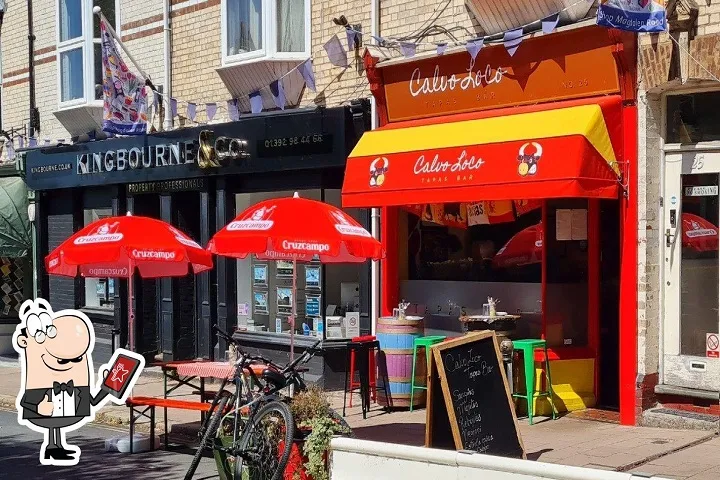
Across the UK, several establishments are helping diners explore Spanish culinary traditions in greater depth. One example is Calvo Loco Tapas Bar & Bodega in Exeter, which reflects the growing interest in authentic regional Spanish food experiences and tapas culture. Businesses like this illustrate how Spanish dining concepts continue to evolve while maintaining strong connections to traditional culinary heritage.
Why Authenticity Matters
Food serves as one of the most accessible ways to experience another culture. Authentic restaurants help preserve culinary traditions while introducing new audiences to regional customs, ingredients, and cooking methods.
Whether someone is exploring Spanish cuisine for the first time or is already familiar with classic dishes, authenticity often creates a more meaningful experience. It provides context, history, and a deeper appreciation for the traditions behind every meal.
Rather than simply satisfying hunger, authentic dining invites people to understand a culture through its flavours, stories, and shared moments around the table.
FAQs
1. What is considered authentic Spanish food?
Authentic Spanish food follows traditional recipes, uses quality regional ingredients, and reflects the culinary heritage of specific areas of Spain.
2. Why are tapas important in Spanish culture?
Tapas encourage social interaction and shared dining, making meals a communal experience rather than an individual activity.
3. How can I identify an authentic Spanish restaurant?
Look for regional menu items, traditional ingredients, cultural context, and a focus on Spanish culinary traditions.
4. Are all Spanish restaurants focused on tapas?
No. While tapas are popular, many Spanish restaurants also serve regional specialties, seafood dishes, rice dishes, and traditional stews.
5. Why has Spanish cuisine become so popular in the UK?
Its emphasis on fresh ingredients, shared dining experiences, and diverse regional flavours appeals to modern diners seeking authentic food experiences.
Conclusion
The search for authenticity often begins with curiosity. A simple meal can become a window into history, geography, and tradition when prepared with genuine respect for its origins. Spanish cuisine offers exactly that opportunity. Behind every tapa, every regional recipe, and every shared plate is a reminder that food is more than nourishment. It is a way of connecting people, preserving heritage, and turning ordinary evenings into memorable experiences.