Hot Water Tanks Sherwood Park: Complete Guide
By kingstree Plumbing
91 Views
Introduction
There's nothing quite like the shock of stepping into a cold shower on a January morning in Sherwood Park. For most homeowners, a hot water tank is one of those appliances you never think about until it stops working. Whether you're dealing with a leaking tank, rusty water, or simply planning ahead for a replacement, understanding your options for hot water tanks in Sherwood Park can save you money, stress, and unexpected downtime.
In this guide, you'll learn how hot water tanks work, the warning signs that indicate it's time for a replacement, what factors affect installation costs, and how local plumbing issues like Poly-B piping and sewer line problems can tie into your overall home plumbing health. We'll also touch on related concerns homeowners in the Edmonton area often ask about, including Poly-B replacement in Edmonton, backwater valves, and sewer line repairs.
Why Hot Water Tanks Matter More Than You Think
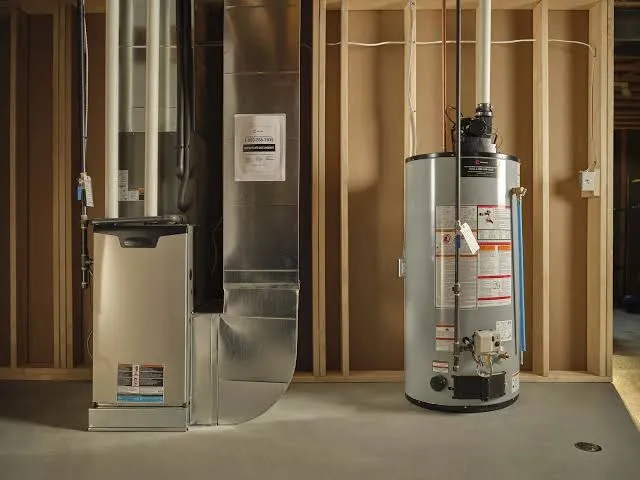
A hot water tank isn't just a convenience it's a core piece of home infrastructure that affects daily comfort, water efficiency, and even property value. Alberta's cold climate puts extra strain on water heating systems, since incoming groundwater temperatures are lower than in warmer regions. This means tanks in Sherwood Park and the greater Edmonton area often work harder than those in milder climates, which can shorten their functional lifespan if not properly maintained.
Most residential hot water tanks last between 8 and 12 years, depending on water quality, usage patterns, and maintenance history. Hard water, which is common in parts of Alberta, can accelerate sediment buildup inside the tank, reducing efficiency and increasing the risk of early failure.
Signs You Need a Hot Water Tank Replacement in Sherwood Park
Recognizing the early warning signs of a failing tank can help you avoid a sudden, inconvenient breakdown. Here are the most common indicators:
1. Age of the Unit
If your tank is nearing or past the 10-year mark, it's worth having a professional inspect it, even if it seems to be functioning normally. Most manufacturers stamp a production date on the tank, usually near the top.
2. Rusty or Discolored Water
Discoloration, especially when only the hot water is affected, often points to internal corrosion. This is a strong signal that a hot water tank replacement in Sherwood Park may be needed soon, since a corroded tank can fail without much warning.
3. Unusual Noises
Rumbling, popping, or cracking sounds coming from the tank usually mean sediment has built up at the bottom. Over time, this buildup causes the heating element or burner to work harder, reducing efficiency and increasing wear.
4. Inconsistent Water Temperature
If your showers fluctuate between hot and lukewarm, the tank's heating element or thermostat may be failing.
5. Water Pooling Near the Tank
Any visible moisture or pooling around the base of the tank is a serious concern. It often indicates a crack in the tank itself, which cannot be repaired only replaced.
6. Rising Energy Bills
An aging tank loses efficiency over time. If your utility bills are climbing without a change in usage habits, your water heater could be part of the problem.
Choosing the Right Replacement Tank
When it's time to replace your unit, homeowners in Sherwood Park typically choose between a few main options:
- Conventional storage tank water heaters – The most common and budget-friendly option, available in gas and electric models.
- Tankless (on-demand) water heaters – These heat water only as needed, offering energy savings and a smaller footprint, though the upfront cost is higher.
- Hybrid heat pump water heaters – Increasingly popular for their efficiency, though performance can be affected by installation location in colder climates.
A licensed plumber can help assess your household's hot water demand, existing plumbing configuration, and budget to recommend the right fit.
How Local Plumbing Conditions Affect Your Hot Water System
Your hot water tank doesn't operate in isolation it's connected to your home's broader plumbing system. Several common issues in the Edmonton region can directly or indirectly affect your water heater's performance and lifespan.
Poly-B Piping Concerns
Many homes built between the 1970s and mid-1990s in the Edmonton area, including parts of Sherwood Park, were plumbed with polybutylene (Poly-B) piping. This material is prone to becoming brittle over time and is a known insurance risk in Alberta. If your home still has Poly-B lines feeding into your water heater, Poly-B replacement in Edmonton is often recommended alongside a tank replacement, since accessing the plumbing during a water heater swap can be a practical time to update aging pipes.
Backwater Valves
A properly functioning backwater valve (sometimes searched as backwater valve Edmonton) prevents sewage from backing up into your home during heavy rain or municipal sewer surges. While not directly connected to your hot water tank, a comprehensive plumbing inspection often performed by a Core Edmonton plumber will typically review both your water heating system and your backwater protection as part of a full-home assessment.
Sewer Line Health
Older homes may also be due for Edmonton sewer line replacement, particularly if tree root intrusion or pipe corrosion has caused recurring drain issues. For businesses in the area, commercial sewer repair in Edmonton is a related service that larger properties or multi-unit buildings may need to budget for. While these are separate systems from your water heater, many local plumbing companies offer bundled inspections that cover tanks, supply lines, and drainage together giving homeowners a clearer picture of their overall plumbing health.
Real-Life Example: A Sherwood Park Homeowner's Experience
Consider a typical scenario: a homeowner in Sherwood Park noticed their water heater was making rumbling noises and taking longer to produce hot water. After a plumber's inspection, it turned out the tank was 11 years old, packed with sediment, and starting to corrode at the base. During the same visit, the plumber flagged aging Poly-B piping feeding the unit.
Rather than replacing just the tank, the homeowner opted to have the Poly-B section near the water heater updated to PEX piping at the same time avoiding a second service call and reducing the risk of a future leak. This kind of proactive, combined approach is increasingly common, since it saves on labor costs and minimizes disruption.
Pros and Cons of Replacing vs. Repairing Your Hot Water Tank
Repairing Your Tank
- Pros: Lower upfront cost; suitable for minor issues like a faulty thermostat or heating element.
- Cons: Doesn't address underlying corrosion or age-related wear; may lead to repeat service calls.
Replacing Your Tank
- Pros: Improved energy efficiency; manufacturer warranty; peace of mind against sudden leaks.
- Cons: Higher upfront investment; may require updates to venting, piping, or electrical connections depending on the new unit.
For tanks under 6 years old with an isolated issue, repair is often the more sensible choice. For anything older, or where corrosion is visible, replacement is generally the safer long-term investment.
Frequently Asked Questions
How long does a hot water tank installation take? A standard like-for-like tank swap typically takes 2–4 hours. Installations involving venting changes, electrical upgrades, or piping repairs (such as Poly-B replacement) can take longer.
What size hot water tank do I need? Tank size depends on household size and usage. A general guideline is 40 gallons for 2–3 people, and 50+ gallons for larger households, though a plumber can calculate exact demand based on fixtures and simultaneous usage.
Can I install a hot water tank myself? While some provinces allow homeowner installations under certain conditions, gas-fired units typically require a licensed gas fitter, and electrical connections should be handled by a qualified technician to meet Alberta building codes.
Is now a good time to also check for Poly-B piping? Yes. If your home was built during the era when Poly-B was common, a tank replacement is a practical opportunity to inspect and potentially replace vulnerable sections of pipe.
How much does a hot water tank replacement cost in Sherwood Park? Costs vary based on tank size, fuel type, and installation complexity, but homeowners should expect a range that reflects both the unit itself and labor. Getting a written quote from a local plumber is the best way to get an accurate number for your specific home.
Conclusion
A reliable hot water tank is easy to take for granted until it fails. Watching for early warning signs like rusty water, strange noises, or inconsistent temperatures can help Sherwood Park homeowners avoid emergency replacements and plan ahead with confidence. And since your water heater is just one part of a connected plumbing system, it's worth considering related concerns like Poly-B piping, backwater valves, and sewer line condition during any major plumbing work.
If your hot water tank is showing signs of age or you're unsure whether repair or replacement makes sense, don't wait for a leak to force the decision. Reach out to a trusted local plumber for an inspection, get a clear quote, and take the guesswork out of your home's hot water needs. Have a hot water tank story or question of your own? Share it in the comments below your experience might help another homeowner in the area make the right call.