How Backup Protection I/O Modules Support Turbine Control Systems
By George Philips
6 Views
Introduction
Turbine control systems play a critical role in power generation by maintaining stable operation, improving efficiency, and protecting essential equipment. In gas and steam turbine applications, reliable monitoring and protection are necessary to prevent unexpected shutdowns and reduce the risk of mechanical damage. Backup protection input/output (I/O) modules support these objectives by managing protection-related signals and helping coordinate safety responses.
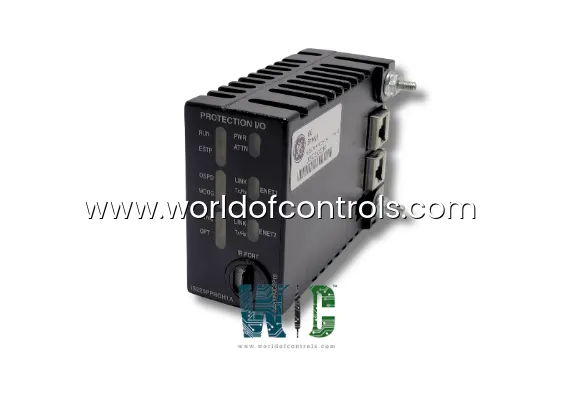
In the turbine industry, GE backup protection I/O modules are used in compatible control architectures to support independent protection functions. These modules help monitor operating conditions, process relevant signals, and support protective actions when abnormal conditions occur. Their contribution is particularly valuable in power plants where equipment safety and operational reliability are essential.
Understanding Backup Protection I/O Modules
What Is a Backup Protection I/O Module?
A backup protection I/O module is an electronic component within an industrial control system that interfaces with signals associated with equipment monitoring and protection. Inputs may come from sensors, switches, and other field devices, while outputs can communicate commands to connected equipment.
In turbine installations, protection systems may monitor shaft speed, vibration, temperature, pressure, and lubrication conditions. When monitored parameters exceed predefined limits, the protection architecture can initiate alarms or protective actions according to its configuration.
Backup protection provides an additional layer of protection alongside primary turbine controls. The degree of independence and redundancy depends on the system design and the protection functions implemented.
Key Functions of Backup Protection I/O Modules
1. Overspeed Protection
Overspeed protection is one of the most important safety functions in turbine operation. If a turbine rotates beyond its permitted speed, excessive mechanical stress can damage rotating components and create serious safety risks.
Backup protection I/O modules used in compatible GE turbine protection systems support independent overspeed protection functions. These systems process turbine speed signals and help initiate protective responses when configured overspeed limits are exceeded. This additional protection layer helps reduce dependence on the primary turbine control system.
2. Backup Generator Synchronization Checks
Before a turbine-driven generator connects to the electrical grid, its operating conditions must meet the required synchronization criteria. Voltage, frequency, and phase relationships are important considerations in this process.
Backup synchronization checks provide an additional safeguard against unsuitable generator connection conditions. By supporting the verification of relevant electrical signals, compatible turbine protection systems help protect generators and associated electrical equipment during grid connection.
3. Primary Control System Monitoring
Monitoring the primary control system is another important aspect of turbine protection. A backup protection architecture can identify certain control-system faults and support appropriate protective responses based on its configuration.
This additional monitoring capability helps improve the resilience of turbine installations. It also supports a more comprehensive approach to equipment protection by providing an additional layer of oversight beyond routine control functions.
Integration with GE Mark VIe Turbine Control Systems
GE backup protection I/O modules can form part of compatible Mark VIe turbine control and protection architectures. Depending on the configuration, these modules work with appropriate terminal boards, field wiring, and communication networks to process protection-related signals.
The integration process requires careful attention to hardware compatibility, signal connections, communication settings, and system configuration. In applications requiring redundancy, the protection architecture must be designed to support the required level of availability and fault tolerance.
Proper installation and commissioning are essential to ensure that protection signals are interpreted correctly and that configured protective actions operate as intended. Engineers should always follow the manufacturer's documentation and the plant's approved engineering procedures.
Benefits for Turbine Industry Applications
Improved Operational Reliability
Backup protection functions provide an additional safeguard against certain equipment faults and abnormal operating conditions. When correctly designed and maintained, these functions help improve confidence in the overall turbine protection system.
Reduced Risk of Equipment Damage
Protective functions such as overspeed detection help initiate appropriate responses when dangerous operating conditions arise. This can help reduce the risk of damage to turbine components, generators, and related equipment.
Simplified Fault Diagnosis
Module status indicators and system diagnostics can help maintenance personnel identify certain power, communication, and hardware problems. Regular inspection and functional testing support reliable operation and help maintenance teams address potential issues promptly.
Enhanced Power Plant Safety
Reliable turbine protection is essential in power generation facilities. Backup protection I/O modules support protection strategies designed to safeguard equipment, manage abnormal conditions, and maintain controlled turbine operation.
Maintenance and Best Practices
Routine maintenance is essential to preserve the reliability of turbine protection systems. Plant engineers should inspect modules and associated terminal boards, check power and communication connections, review diagnostic alarms, and perform scheduled functional tests according to approved procedures.
When replacing a module, engineers must verify its compatibility with the installed hardware revision, terminal board, and control-system configuration. Protection testing and commissioning should be carried out by qualified personnel following manufacturer recommendations and site safety requirements.
Conclusion
Backup protection I/O modules play an important role in modern turbine control systems by supporting overspeed protection, generator synchronization checks, and primary control system monitoring where these functions are implemented. Their integration into compatible GE turbine protection architectures helps improve system resilience and supports the safe operation of critical equipment.
For gas turbine, steam turbine, and power generation facilities, properly configured and maintained backup protection systems help reduce operational risks, protect valuable machinery, and support reliable electricity production. By combining appropriate hardware, effective monitoring, and regular maintenance, plant operators can strengthen turbine protection and improve long-term operational performance.
Related Reading
Why Business & Finance is Transforming the Global Industry Landscape
Welcome to our in-depth exploration of Business & Finance. In an era defined...
Expert Insights: Navigating the Complex World of Business & Finance
Welcome to our in-depth exploration of Business & Finance. In an era defined...