How Businesses Can Build a Consistent Digital Presence Across Multiple UAE Markets
By Alexa Jo
5 Views
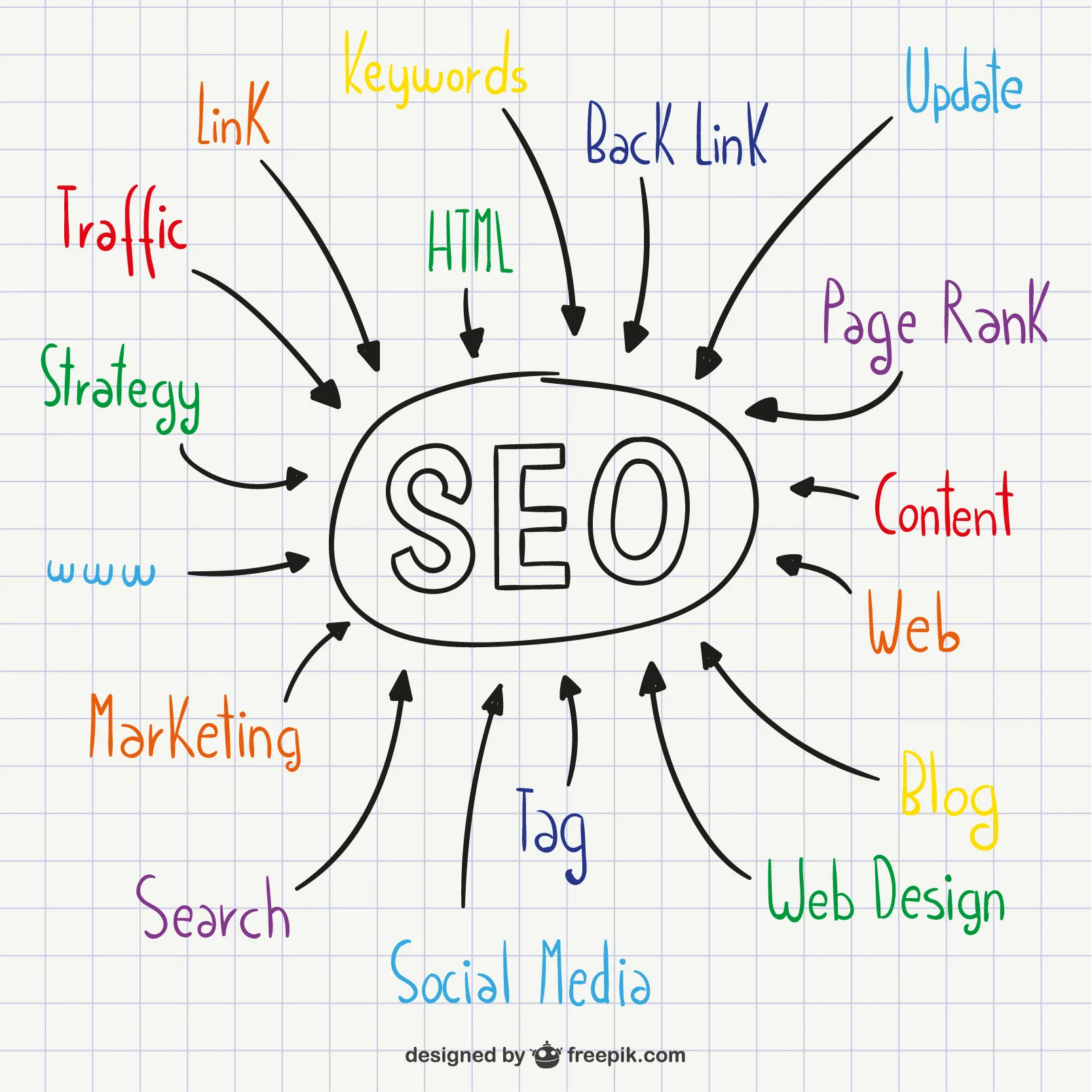
Businesses expanding across the United Arab Emirates face an important challenge: reaching customers with different needs, preferences, locations, and purchasing behaviours while maintaining a consistent brand identity. Search engines can help organizations connect with these audiences, but effective visibility requires more than publishing a website and adding location-based keywords. A well-planned SEO agency UAE strategy can help businesses create relevant content, improve website accessibility, and build a stronger presence across markets.
For organizations operating in multiple emirates, search engine optimization should support both national visibility and the specific needs of individual locations. A customer searching for a service in Dubai may have different expectations from someone looking for the same service in Abu Dhabi or Sharjah. Businesses need to understand these differences without creating repetitive pages that provide little value.
Understand the UAE Search Landscape
The UAE includes businesses serving local communities, regional markets, international customers, and specialized industry segments. Search behaviour varies by service, audience, language, location, and purchasing intent.
Some users search with a city name, while others search for a product category, a technical solution, or a particular business requirement. Companies should investigate how their audiences search instead of assuming that every potential customer includes a geographic term in their queries.
Research Local and National Search Opportunities
Keyword research should identify the terms that potential customers use when looking for relevant products and services.
Businesses can organize these opportunities into several groups, including broad service searches, location-specific searches, industry-related queries, and informational questions.
For example, a company offering professional consulting services might need national pages describing its core capabilities alongside local pages that address service availability in specific emirates.
This research aims to identify where useful content can attract relevant visitors. Search volume alone shouldn't determine which keywords get priority.
Develop a Website Structure That Supports Expansion
A website serving multiple markets needs a clear information architecture.
Visitors should understand the company's services, identify the locations it serves, and find relevant contact information without unnecessary navigation.
A business might organize its website around service categories, with dedicated location pages where different markets require distinct information.
Create Location Pages With Genuine Value
Location pages can help businesses communicate relevant local information, but each page should serve a clear purpose.
Useful location-specific content might explain available services, local operating arrangements, service coverage, customer requirements, or practical considerations that differ between markets.
For example, a company with offices in several emirates may provide accurate information about each office, its available services, and how customers can contact it.
Simply changing the city name on an otherwise identical page creates little value. Search engines and visitors benefit more when each page answers meaningful questions associated with that location.
Prevent Duplicate and Competing Pages
Publishing many similar pages can make a website hard to maintain and create uncertainty about which page should appear for a given search.
Businesses should determine whether two pages address genuinely different user needs. Where the content and intent are substantially the same, consolidating information may be more useful than maintaining separate pages.
A structured content plan helps teams understand the purpose of every page and how it relates to the wider website.
Build a Strong Foundation With Technical SEO
Technical SEO helps search engines discover, access, and interpret website content.
As websites grow, technical issues can become more difficult to identify. New landing pages, product categories, filters, redirects, and content updates may introduce problems that affect crawling or indexing.
A regular technical review should examine XML sitemaps, robots.txt directives, canonical tags, redirects, broken links, mobile usability, structured data, and page-loading performance.
Keep Important Pages Accessible
Search engines need to discover important pages and understand how they relate to one another.
A logical navigation system and relevant internal links can help visitors and search engines move through the website.
Businesses should also review indexing reports to identify important pages that are excluded unexpectedly or pages that appear in search results despite offering little value.
Technical fixes should be prioritized according to their potential effect on accessibility, user experience, and business performance.
Improve Website Speed and Reliability
Website performance affects the experience people have when researching a business.
Slow-loading pages, unstable layouts, and difficult navigation can discourage visitors from exploring services or completing enquiries.
Organizations should review image sizes, caching, unnecessary scripts, hosting performance, and other technical factors that affect page delivery.
Performance improvements should be tested on representative devices and network conditions. A website that performs well on a fast office connection may still frustrate mobile users.
Create Content for Different Customer Needs
A national digital strategy should provide information for people at different stages of their decision-making process.
Some visitors may need introductory guidance, while others compare providers or prepare to request a quotation.
Businesses can support these stages with educational articles, detailed service pages, industry resources, FAQs, and practical guides.
Establish Topic Clusters
Topic clusters organize related content around a central subject.
For example, a business offering cloud solutions could create a main service page supported by articles on cloud migration, data protection, infrastructure planning, and operational costs.
These supporting resources should answer distinct questions and link naturally to related service information.
A clear topic structure helps businesses avoid publishing disconnected articles that target keywords without contributing to a broader information strategy.
Make Content Specific to the Audience
Content should reflect the actual needs of the people it is intended to serve.
Businesses targeting enterprise customers may need to explain implementation processes, integration requirements, service-level expectations, and risk management. Businesses serving individual consumers may need simpler explanations, practical comparisons, and clearer guidance on purchasing.
The writing style, examples, and level of detail should reflect the audience's knowledge and decision-making requirements.
Consider Language and Cultural Relevance
The UAE includes audiences with different language preferences and cultural backgrounds. Businesses may therefore need to consider whether their websites should support multiple languages.
Translation alone is not always sufficient. Search behaviour, terminology, customer expectations, and content preferences may differ between language groups.
Build Multilingual Pages Carefully
When creating multilingual content, businesses should use accurate translations and keep information consistent across language versions.
Language-specific URLs, appropriate hreflang annotations where relevant, and clear navigation help search engines understand relationships between equivalent pages.
Translated content should also be reviewed by someone familiar with the intended audience. Direct translations may overlook differences in commonly used terms or the context in which customers search.
Organizations should prioritize languages according to genuine audience demand and their ability to maintain accurate, useful content over time.
Strengthen Authority Through Useful Industry Resources
Search visibility depends on several factors, and a credible online presence can support the broader SEO strategy.
Businesses can build credibility by publishing original research, useful industry resources, expert commentary, and detailed explanations of common problems.
These materials may attract references from relevant publications, professional organizations, and industry websites when they provide genuine value.
Focus on Relevant References Rather Than Large Link Numbers
Don't pursue external links solely because a website promises a large quantity.
Links from relevant, trustworthy sources can help users discover useful resources and may contribute to a website's authority signals.
Businesses should avoid manipulative link schemes, automated link generation, and arrangements designed primarily to influence search rankings.
Useful approaches include sharing expert insights, publishing original information, participating in relevant industry discussions, and developing resources others genuinely need to reference.
Improve Local Business Information
Companies serving customers at physical locations should keep their business information accurate and consistent.
This may include business names, addresses, contact details, operating hours, service categories, and location-specific information.
Google Business Profile can be useful for eligible businesses that serve customers in person or visit customers at their locations.
Businesses should follow the platform's eligibility requirements and avoid creating misleading listings for locations where they do not genuinely operate.
Reviews can also provide valuable customer feedback. Organizations should encourage authentic reviews where appropriate and respond professionally to concerns without attempting to manipulate ratings.
Measure SEO Performance Across Different Markets
National and local SEO campaigns should be measured using consistent reporting principles.
Useful indicators include organic clicks, impressions, landing-page traffic, visibility for relevant keywords, enquiries, and conversions.
However, businesses should also examine how performance differs between service categories and geographic markets.
Evaluate Commercial Outcomes
A page that attracts substantial traffic may not necessarily generate valuable enquiries. Another page with lower traffic may serve a smaller but more commercially relevant audience.
Businesses should evaluate traffic quality, conversion behaviour, and lead outcomes alongside visibility metrics.
Where possible, website analytics and CRM data can connect organic search activity to qualified opportunities and sales.
Reporting should explain what changed, why the change matters, and which actions should be prioritized next.
Choose an SEO Partner With a Structured Process
Businesses expanding their digital presence may benefit from a specialist who understands technical SEO, content development, local search, analytics, and website architecture.
A suitable seo company UAE should begin by understanding the organization's objectives, target audiences, existing website, competitive environment, and available resources.
The strategy should then set priorities, responsibilities, timelines, and measurable progress indicators.
Look Beyond Ranking Promises
No provider can guarantee specific organic rankings for every keyword because search results depend on multiple changing factors.
Businesses should be cautious of claims that promise immediate results or require risky tactics.
Instead, evaluate providers according to the clarity of their strategy, technical competence, reporting quality, communication, and commitment to sustainable practices.
An effective partnership should help decision-makers understand the work being done and how it supports broader business objectives.
Develop a Long-Term Optimization Roadmap
Treat SEO as an ongoing business process rather than a one-time website improvement.
An initial roadmap may prioritize technical problems and important service pages. Later phases can expand content coverage, improve internal linking, strengthen relevant local information, and address new search opportunities.
Regular reviews help businesses adapt to changing customer behaviour, product offerings, and market conditions.
Working with an experienced seo agency UAE can support this process by combining research, implementation, measurement, and continuous refinement.
Organizations should also document important website changes and maintain clear ownership of their digital assets, analytics accounts, and content.
Final Thoughts
Building search visibility across the UAE requires a strategy that balances national reach with local relevance.
Businesses should understand their audiences, organize their websites clearly, create useful content, maintain technical accessibility, and measure performance against meaningful objectives. Multilingual requirements, accurate business information, and credible industry resources may also play important roles depending on the organization's market.
Choosing a suitable seo company UAE involves evaluating the quality of its process rather than relying on ranking promises alone. A strong partner should help the business establish realistic priorities, implement sustainable improvements, and understand the commercial impact of its search strategy.
By treating SEO as a long-term investment in discoverability and customer experience, businesses can build a more consistent online presence and a stronger foundation for growth across the UAE.