How Can Leak Detection Prevent Expensive Water Damage Costs?
By john smit
68 Views
A small drip behind a wall can quietly cause thousands of dollars in damage before anyone notices it. Hidden leaks can weaken building materials, encourage mold growth, and increase water bills without an obvious warning. Expert Leak Detection Services can locate these problems early, giving homeowners a chance to fix them before a minor plumbing issue becomes a major repair project. Early action protects both the property and the household budget.
Why Hidden Water Leaks Become Expensive
Water damage rarely stays limited to the original leak. A damaged pipe may release water into drywall, flooring, insulation, cabinets, or ceilings. As moisture spreads, repair work becomes more complicated and expensive.
A slow leak can be especially difficult to notice because there may be no visible puddle. Water can travel along pipes, framing, and other surfaces before appearing somewhere far from the actual source. By the time a stain or musty odor develops, surrounding materials may already need attention.
Plumbing leaks can also increase gradually. A small opening in a supply line may become larger as pressure continues to push water through the damaged area. Detecting the problem early gives homeowners a better opportunity to address the underlying plumbing issue before substantial damage occurs.
How Leak Detection Finds Problems Early
Professional leak detection uses different methods to identify the source of a plumbing problem without unnecessary demolition. Technicians first evaluate symptoms, inspect accessible plumbing components, and look for signs that indicate where water may be escaping.
Checking Water Usage for Unusual Changes
Unexpected increases in water consumption can provide an important warning. A household that has not changed its normal habits but suddenly receives a higher water bill may have a leaking toilet, fixture, supply line, or underground pipe.
Homeowners can also perform a simple check by making sure faucets and water-using appliances are off and observing the water meter. Continued movement may indicate water is being used somewhere in the plumbing system. This basic observation does not identify the exact source, but it can justify a professional inspection.
Using Specialized Detection Equipment
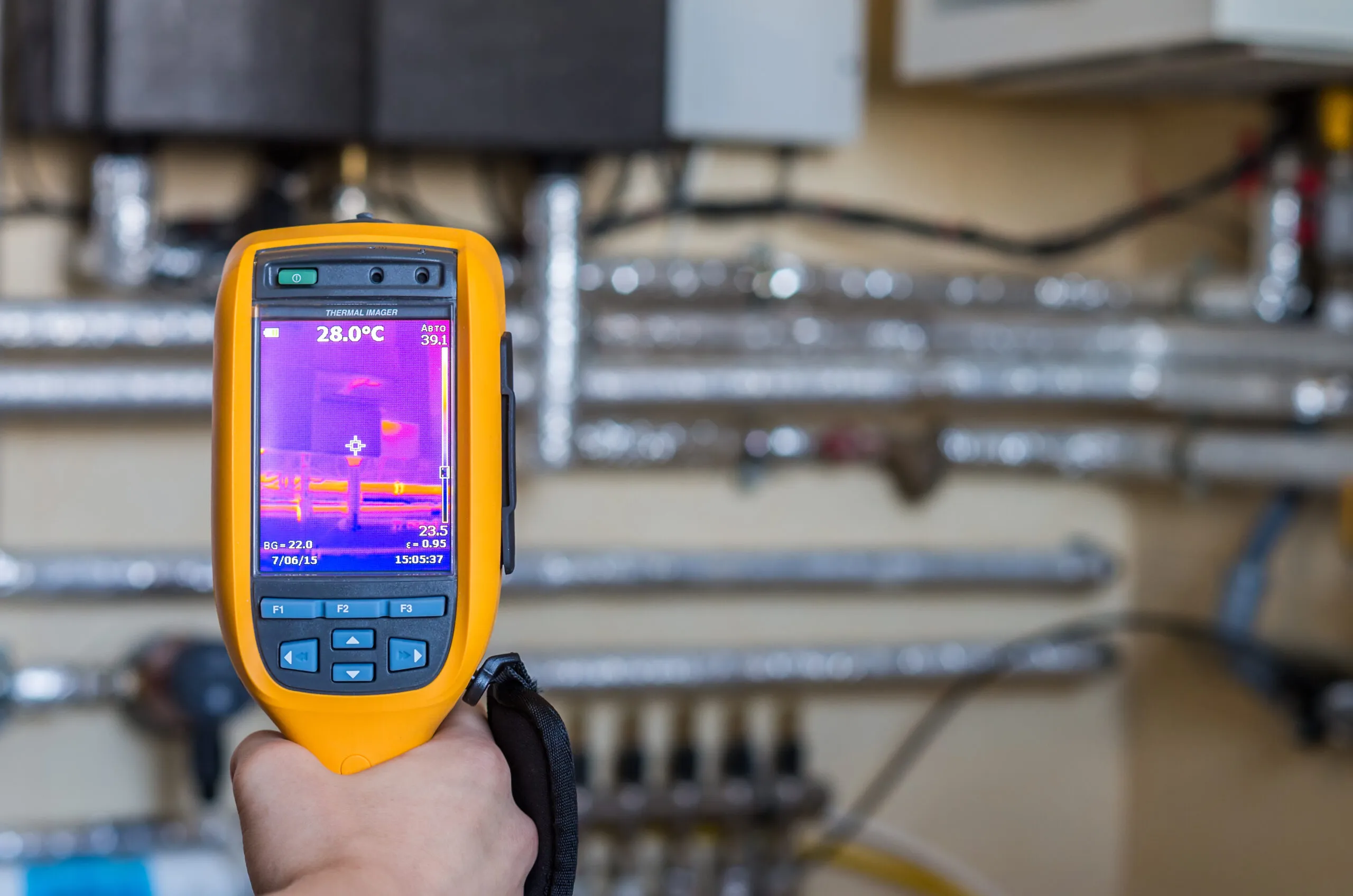
Experienced plumbers may use acoustic equipment, thermal imaging, moisture meters, or other specialized tools depending on the property and suspected leak location. These technologies can help identify unusual moisture patterns or sounds associated with escaping water.
The main benefit is precision. Finding the likely source before opening walls or floors can reduce unnecessary property disruption and help technicians plan the repair more effectively.
How Early Detection Reduces Repair Costs
The financial value of early leak detection comes from limiting the size of the problem. Repairing a damaged pipe is usually less expensive than repairing the pipe plus soaked drywall, ruined flooring, damaged cabinets, and other affected materials.
Moisture can also create secondary problems. Persistent dampness may contribute to mold growth and unpleasant odors, while prolonged exposure can damage wood and other building materials. Removing the source quickly gives the affected area a better chance to dry before additional repairs become necessary.
Insurance considerations can also make prompt action important. Coverage depends on the policy and circumstances, so homeowners should understand their individual requirements. Documenting a plumbing problem and taking reasonable steps to prevent additional damage may be useful during the claims process.
Common Warning Signs Homeowners Should Watch
Not every plumbing leak announces itself with dripping water. Paying attention to smaller changes can help homeowners arrange an inspection before the problem becomes severe.
Useful warning signs include:
- Unexplained increases in water bills
- Damp or discolored areas on walls or ceilings
- Musty smells in rooms or cabinets
- Peeling paint or bubbling wallpaper
- Warped flooring or swollen wood
- Sounds of running water when fixtures are off
- Low or inconsistent water pressure
- Damp spots around plumbing fixtures
- Mold or mildew appearing in unusual locations
Each sign can have several possible causes, so homeowners should avoid assuming that every stain or odor comes from a leaking pipe. A professional evaluation can help determine whether plumbing is responsible and identify the correct repair.
Why Delaying Leak Repairs Can Increase Damage
Ignoring a minor plumbing concern often creates more risk than savings. A leak that seems manageable today may continue damaging hidden surfaces for weeks or months.
Water can move through areas that are difficult to inspect, particularly inside walls, beneath floors, and around ceilings. This makes visual inspection alone unreliable for some problems. Delaying an inspection may allow moisture to reach larger areas and increase the eventual scope of restoration work.
Prompt leak detection also helps identify deteriorating plumbing components. A recurring leak may point to corrosion, damaged connections, excessive pressure, aging materials, or another underlying concern. Fixing the visible symptom without addressing the cause can result in repeated repairs.
How Professionals Approach a Leak Investigation
A careful inspection should focus on finding the source rather than simply treating the most visible symptom. Experienced plumbers typically begin by gathering information about when the problem started, where signs of moisture appeared, and whether water usage has changed.
Starting With a Detailed Property Inspection
Technicians inspect accessible fixtures, valves, pipes, water heaters, toilets, and other components that could contribute to the problem. They also examine visible damage and moisture patterns to develop a logical path toward the source.
The location of a water stain does not necessarily indicate where the leak began. Water may travel through framing or other materials before becoming visible. Understanding this behavior helps professionals avoid making repairs in the wrong location.
Confirming the Source Before Repair
Good leak detection should provide enough information to determine what is actually failing. A technician may combine visual observations, pressure testing, acoustic readings, thermal images, or moisture measurements to narrow down the source.
Accurate identification matters because unnecessary repairs can add cost without solving the real problem. Once the source is confirmed, the plumber can recommend an appropriate repair based on the pipe, fitting, fixture, or other component involved.
Practical Ways to Reduce Future Water Damage
Professional inspections are important, but homeowners can also take simple steps to reduce plumbing risks. Regularly checking visible pipes and connections can reveal corrosion, moisture, loose fittings, or other problems at an early stage.
Keep the area beneath sinks clear enough for routine inspection. Stored items can hide small drips, allowing moisture to continue unnoticed. Checking supply lines for washing machines, dishwashers, toilets, and other fixtures can also help identify aging or damaged connections.
Water pressure deserves attention as well. Excessive pressure can place additional strain on plumbing components. A qualified plumber can assess the system and determine whether pressure adjustments or other maintenance measures are appropriate.
Knowing where the home's main water shutoff valve is located is another simple but valuable precaution. Quick access to the shutoff can limit the amount of water released during a sudden pipe failure while professional help is arranged.
Leak Detection Can Protect More Than the Plumbing
The benefits of finding a leak early extend beyond the pipe itself. Water can damage furniture, personal belongings, electrical components, flooring, insulation, and structural materials. Limiting water exposure therefore helps protect many parts of the property.
Energy and water efficiency can also improve when unwanted water loss is stopped. A leaking pipe continuously wastes treated water, even though the household receives no useful benefit from it. Correcting the leak prevents that unnecessary consumption.
Property value is another consideration. A history of unresolved water damage can raise concerns during inspections and may affect buyer confidence. Maintaining plumbing systems and addressing leaks promptly demonstrates responsible property care.
When Professional Leak Detection Is Worth Considering
Professional help becomes particularly valuable when the source of a leak is unclear. Visible plumbing problems are often easier to address, but hidden moisture requires a more systematic approach.
Consider arranging an inspection when water bills rise unexpectedly, moisture appears without an obvious cause, or the sound of running water continues despite closed fixtures. Repeated plumbing repairs in the same area can also indicate that the underlying problem has not been fully identified.
Homes with older plumbing systems may benefit from closer monitoring as well. Aging pipes and connections can become more vulnerable to corrosion, wear, and failure. A professional assessment can help homeowners understand existing risks and decide which repairs deserve priority.
The Long-Term Value of Preventive Plumbing Care
Preventive maintenance is generally easier to manage than emergency restoration. Routine inspections give homeowners an opportunity to identify worn components and address small concerns before they develop into major failures.
A practical maintenance plan can include checking visible plumbing, monitoring water bills, inspecting fixtures, watching for moisture, and arranging professional assessments when warning signs appear. These habits do not guarantee that leaks will never occur, but they can shorten the time between a problem developing and being discovered.
Consistent leak detection can therefore become part of broader property maintenance. Rather than waiting for a ceiling stain or flooded room, homeowners can respond to subtle warning signs and protect vulnerable areas sooner.
Why Fast Action Makes Financial Sense
The cost of investigating a suspected leak should be viewed alongside the potential cost of ignoring it. Early identification may prevent extensive material replacement, reduce water waste, and limit the need for large restoration projects.
A quick response also gives homeowners more control over the repair process. They can investigate the problem, compare repair options, and address related plumbing concerns before an emergency develops.
Most importantly, early intervention reduces uncertainty. Knowing where water is coming from makes it easier to choose the right repair and avoid spending money on temporary fixes that fail to solve the underlying issue.
Conclusion
Hidden plumbing leaks can create serious expenses long before visible water damage appears. Early leak detection helps identify problems at their source, limits moisture exposure, reduces wasted water, and gives homeowners a better opportunity to handle repairs before they expand. Simple warning signs such as unusual water bills, damp spots, musty odors, and unexplained moisture deserve attention rather than delay. Professional inspection is especially useful when the source cannot be found through a basic visual check. Taking action early protects the plumbing system, the structure, personal belongings, and the household budget from avoidable water damage costs.