How Custom Arch Supports Can Help Relieve Everyday Foot Pain
By InStride Capital Foot and Ankle Centers
7 Views
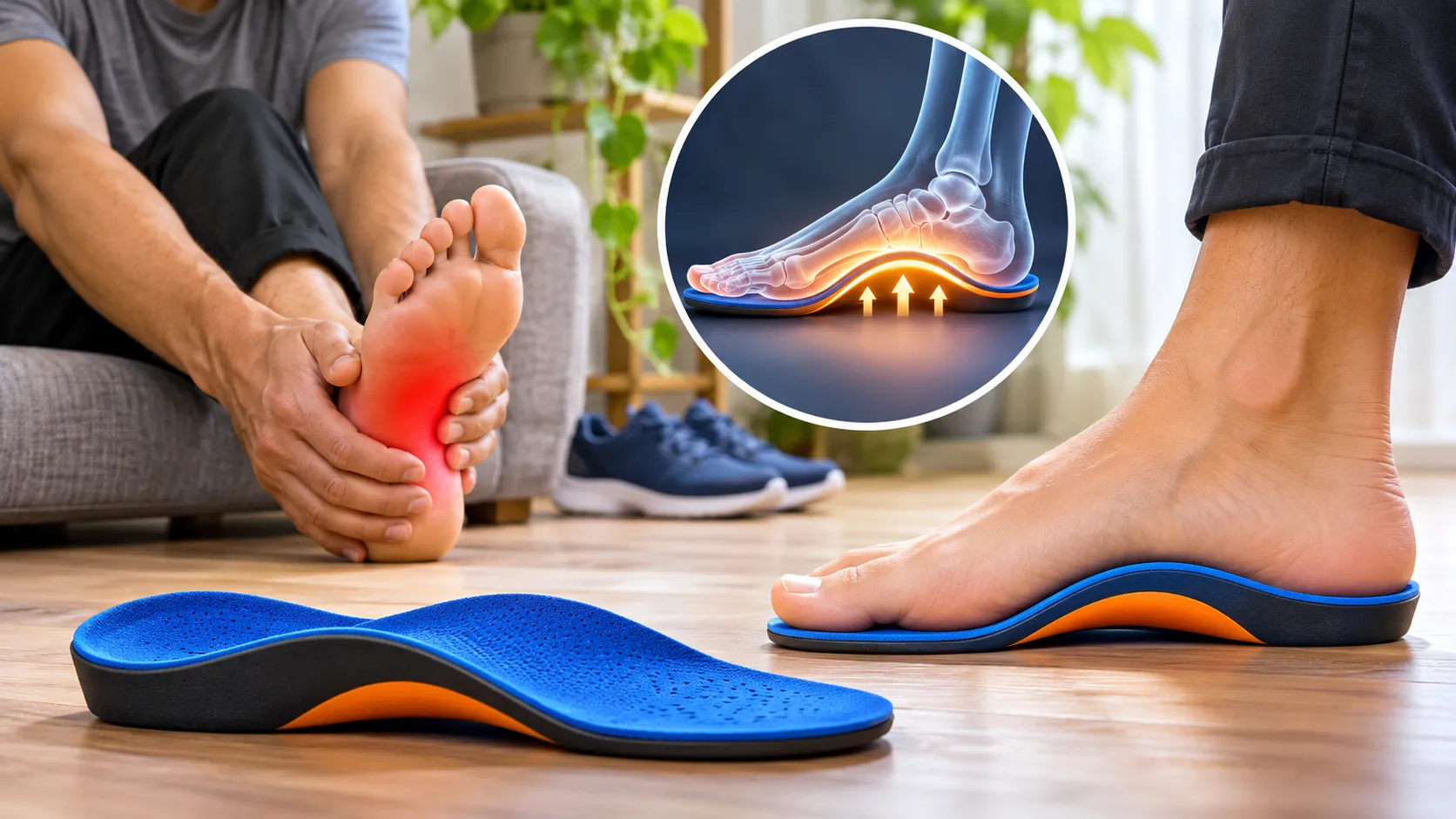
Foot pain can make even the simplest daily activities uncomfortable. Walking around the neighborhood, standing at work, exercising, or running errands can become difficult when your feet lack proper support. Although occasional soreness may seem harmless, persistent discomfort can interfere with mobility and overall quality of life.
Fortunately, custom arch supports may provide an effective way to manage certain types of foot pain. These specially designed inserts help support the natural structure of the feet, distribute pressure more evenly, and improve comfort during everyday activities.
For residents of Chapel Hill, North Carolina, understanding the benefits of personalized foot support can be an important step toward better foot health. Whether you experience heel discomfort, arch fatigue, or recurring pain after walking, knowing how arch supports work can help you make informed decisions about your care.
Understanding Custom Arch Supports and How They Work
Custom arch supports are specially made shoe inserts designed to accommodate an individual's foot structure and specific support needs. Unlike standard insoles available at retail stores, prescription custom orthotics are created following a professional evaluation of foot shape, movement, and any underlying conditions.
The human foot contains numerous bones, joints, muscles, tendons, and ligaments that work together to support body weight and enable movement. When pressure is distributed unevenly or certain structures experience excessive stress, discomfort may develop.
Arch supports are designed to influence how forces move through the feet during standing and walking. Depending on their construction, they may help stabilize the foot, redistribute pressure, and reduce strain on irritated tissues.
According to the American Podiatric Medical Association, prescription custom orthotics differ from ordinary shoe inserts because they are designed for an individual's specific feet and medical needs.
However, not everyone with foot pain requires prescription orthotics. Some people benefit from supportive footwear or quality over-the-counter inserts, while others need more personalized treatment.
Common Causes of Everyday Foot Pain
Foot discomfort can develop for several reasons. Understanding the underlying cause is essential because different conditions require different approaches to treatment.
Plantar Fasciitis and Heel Pain
Plantar fasciitis involves irritation of the plantar fascia, a thick band of tissue extending along the bottom of the foot. It commonly causes heel pain that may be especially noticeable during the first steps in the morning or after prolonged sitting.
People who spend extended periods standing, walk frequently, or suddenly increase their physical activity may experience symptoms associated with this condition.
Appropriate arch support may help reduce strain on the plantar fascia and improve comfort. However, treatment often includes stretching exercises, footwear adjustments, and activity modifications.
Flat Feet and Fallen Arches
Flat feet occur when the arches are relatively low or come close to the ground while standing. Some individuals have naturally flexible flat feet without experiencing any discomfort.
For others, low arches may contribute to foot fatigue or strain, particularly during extended walking or standing.
Properly fitted custom arch supports can provide additional structural support and help manage symptoms associated with certain types of flatfoot. They do not necessarily change the underlying shape of the foot permanently.
High Arches and Uneven Pressure
People with high arches may experience increased pressure beneath the heels and balls of their feet. Because their feet sometimes absorb impact differently, extended physical activity can become uncomfortable.
Supportive orthotic devices may help redistribute pressure and provide cushioning where needed.
An individualized assessment can determine whether arch support, additional padding, or different footwear would be most useful.
Overuse and Foot Fatigue
Long work shifts, repetitive movement, and frequent walking can place significant demands on the feet.
Healthcare professionals, retail employees, teachers, and other individuals who spend much of their day standing may experience soreness or fatigue.
While appropriate arch supports may improve comfort, regular breaks, supportive shoes, and strengthening exercises are also important for managing everyday foot strain.
How Custom Arch Supports May Help Relieve Foot Pain
The primary purpose of personalized arch support is to address specific mechanical factors that may contribute to discomfort. The benefits vary depending on the individual, the condition being treated, and the design of the orthotic device.
1. Distributing Pressure More Evenly
Every step places pressure on different areas of the feet. When certain regions carry excessive loads, localized discomfort can develop.
Custom arch supports can be designed to redistribute pressure across the foot and reduce stress on sensitive areas.
For example, a person experiencing discomfort beneath the forefoot may benefit from an orthotic designed to change pressure distribution.
Reducing concentrated pressure may make walking or standing more comfortable, although results depend on the cause of the pain.
2. Supporting the Natural Foot Structure
The arches play an important role in supporting body weight and adapting to movement.
When the foot requires additional support, appropriately designed orthotics may help manage excessive motion or reduce mechanical strain.
Rather than forcing every foot into the same position, personalized devices are intended to accommodate individual anatomy and functional needs.
This makes a professional evaluation particularly valuable for people experiencing recurring discomfort.
3. Reducing Strain on Certain Tissues
Tendons, ligaments, and muscles work together to stabilize the feet and ankles.
Certain movement patterns can increase stress on these structures, especially when combined with repetitive activity.
Depending on the diagnosis, custom orthotics may help reduce mechanical loads affecting irritated tissues.
For example, some individuals with plantar heel pain or specific tendon problems may experience symptom improvement when orthotics are included in a broader treatment plan.
4. Improving Comfort During Daily Activities
Foot discomfort can affect everyday routines, from grocery shopping to walking across a college campus.
Appropriate arch support may help some people tolerate daily activities more comfortably by reducing pressure and improving the fit between their feet and footwear.
Residents of Chapel Hill who enjoy walking, exercising, or exploring local parks may find that addressing foot discomfort makes these activities easier to maintain.
However, orthotics should be selected according to actual symptoms rather than used simply because someone spends considerable time on their feet.
5. Complementing Non-Surgical Foot Care
Many common foot conditions can be managed without surgery.
Depending on the diagnosis, conservative treatment may include supportive footwear, stretching, strengthening exercises, activity modification, physical therapy, and orthotic devices.
Custom arch supports may be one component of this approach.
They are not a guaranteed cure or a replacement for appropriate medical treatment, but they can be a useful option when a clinician identifies mechanical factors contributing to symptoms.
Custom Arch Supports vs. Regular Shoe Insoles
One of the most common questions about foot support concerns the difference between custom orthotics and store-bought insoles.
Both options can be helpful, but they serve somewhat different purposes.
Over-the-Counter Insoles
Standard insoles are widely available and generally cost less than prescription orthotics. They may provide cushioning, moderate arch support, or additional comfort.
For mild symptoms, an appropriately selected over-the-counter insert may be sufficient.
Some research has found that prefabricated inserts can offer outcomes comparable to custom devices for certain conditions, including some cases of plantar heel pain.
This means custom orthotics are not automatically the best choice for everyone.
Prescription Custom Orthotics
Prescription orthotics are created according to a person's foot characteristics, symptoms, and clinical findings.
They may incorporate specific materials, modifications, and support features intended to address a diagnosed problem.
These devices can be particularly useful when standard inserts have not provided adequate relief or when a condition requires specialized adjustments.
A podiatrist can help determine whether personalized orthotics offer meaningful advantages for an individual patient.
Who May Benefit From Custom Arch Supports?
Not every person experiencing foot discomfort needs custom orthotics. However, certain individuals may benefit from discussing them with a foot specialist.
Potential candidates include people experiencing:
-
Persistent arch pain or recurring foot fatigue
-
Plantar heel pain that does not improve with basic care
-
Symptomatic flat feet or high arches
-
Certain tendon-related foot or ankle conditions
-
Discomfort associated with uneven pressure distribution
-
Difficulty finding comfortable support through standard insoles
-
Recurring symptoms during walking, work, or recreational activities
A professional examination helps distinguish mechanical problems from other causes of pain.
For example, nerve conditions, stress fractures, inflammatory disorders, and injuries may produce symptoms that cannot be adequately managed with arch supports alone.
People with diabetes, reduced foot sensation, circulation problems, or a history of foot ulcers should seek professional guidance before using new inserts.
What to Expect During a Professional Foot Assessment
Choosing the right foot support begins with understanding why discomfort occurs.
During a podiatric evaluation, a specialist typically reviews symptoms, medical history, daily activities, footwear, and previous treatments.
Examining Foot Structure
The provider may assess arch height, joint mobility, tenderness, and the position of the feet and ankles.
This examination helps identify potential mechanical factors contributing to discomfort.
The clinician may also evaluate how the feet respond to standing and movement.
Evaluating Walking Patterns
Walking patterns can provide important information about how weight transfers through the feet.
A podiatrist may observe movement, balance, and foot positioning to better understand the source of symptoms.
Additional testing or imaging may be recommended when necessary, although not every patient requires X-rays or advanced examinations.
Creating Personalized Orthotics
If prescription orthotics are appropriate, measurements, impressions, casts, or digital scans may be used to capture the foot's characteristics.
The resulting information helps guide the design of the inserts.
The orthotics can then be adjusted to accommodate individual needs, footwear, and treatment goals.
Reviewing Comfort and Fit
Once the devices are ready, proper fit becomes an important consideration.
Patients may need a gradual adjustment period as they become accustomed to wearing the inserts.
Follow-up adjustments can help address uncomfortable pressure points or problems with fit.
Choosing the Right Footwear for Custom Arch Supports
Even carefully designed orthotics work best when paired with appropriate shoes.
Footwear should offer enough room to accommodate the inserts without compressing the toes or creating excessive pressure.
Shoes with removable factory insoles may provide additional space for custom devices.
Other useful features can include a secure heel area, appropriate cushioning, and a stable sole suited to the wearer's activities.
When selecting shoes, consider the following:
-
Choose footwear with sufficient depth and toe room.
-
Make sure the heel fits securely without slipping.
-
Avoid shoes that create pressure along the sides of the feet.
-
Wear the shoes you regularly use when discussing orthotic fitting.
-
Replace worn-out footwear when support or cushioning has deteriorated.
People who use multiple types of footwear should discuss their needs with a podiatrist because the same orthotic may not fit every shoe style.
Tips for Adjusting to New Custom Arch Supports
A gradual transition can make the adjustment process more comfortable.
New orthotics may feel different from ordinary insoles because they apply support or pressure in unfamiliar areas.
Follow the specific break-in schedule recommended by your clinician. For many patients, this involves wearing the devices for shorter periods initially and increasing use as comfort allows.
Mild awareness of the inserts can be normal, but persistent pain, rubbing, blisters, or worsening symptoms should not be ignored.
Remove the devices and contact your podiatrist if they cause significant discomfort.
Keeping the inserts clean, checking them for wear, and using them with suitable footwear can also help maintain comfort over time.
Additional Ways to Prevent Everyday Foot Pain
Although custom arch supports can be valuable for selected patients, healthy feet depend on more than a single device.
Maintain Appropriate Physical Activity
Regular movement supports muscle strength, flexibility, and general health.
However, sudden increases in walking or exercise intensity may contribute to overuse injuries.
Gradually increasing activity allows the feet and lower limbs to adapt to new demands.
Stretch and Strengthen the Feet
Stretching the calves and plantar fascia may help manage certain causes of heel discomfort.
Strengthening exercises can also support the muscles involved in foot stability.
A healthcare professional can recommend exercises suited to your condition.
Give Your Feet Time to Recover
Rest breaks can be helpful for people who spend extended periods standing.
Alternating demanding activities with lower-impact movement may reduce repetitive stress.
Persistent symptoms deserve attention rather than simply increasing rest indefinitely.
Pay Attention to Early Warning Signs
Foot pain that repeatedly returns may indicate an underlying condition.
Swelling, tenderness, altered walking patterns, and reduced activity tolerance can all be reasons to seek an assessment.
Sudden severe pain, inability to bear weight, signs of infection, or a new wound in someone with diabetes require prompt medical attention.
Finding Professional Foot Care in Chapel Hill, NC
When foot pain continues despite footwear changes and basic self-care, consulting a qualified podiatrist can help identify the cause.
InStride Capital Foot and Ankle Centers, located in Chapel Hill, North Carolina, provides comprehensive foot and ankle care, including personalized assessments and non-surgical treatment options.
The practice offers prescription custom orthotic insoles as part of its approach to managing selected foot and ankle conditions. Its services also address concerns such as heel pain, plantar fasciitis, flat feet, and other sources of foot discomfort.
Patients considering orthotics can discuss their symptoms, treatment history, footwear needs, and whether custom inserts are appropriate for their specific condition.
The goal of professional care is not simply to provide additional cushioning, but to understand the cause of discomfort and develop a suitable treatment plan.
For people seeking custom arch supports in Chapel Hill, a podiatric consultation can provide guidance on available options and realistic expectations.
Frequently Asked Questions About Custom Arch Supports
1. Can custom arch supports help with everyday foot pain?
Yes, custom arch supports may help relieve certain types of foot pain by redistributing pressure and reducing mechanical strain. Their effectiveness depends on the underlying condition, orthotic design, and individual response. Not all foot pain is caused by insufficient arch support, so an accurate diagnosis is important.
2. Are custom arch supports helpful for plantar fasciitis?
Custom orthotics may help some individuals with plantar fasciitis, particularly when foot mechanics contribute to symptoms. However, they are not always more effective than suitable prefabricated inserts. Stretching, footwear adjustments, and other conservative treatments may also be recommended.
3. How long does it take to get used to custom arch supports?
Many people adjust gradually over several days or weeks, although the experience varies. Following the prescribing clinician's instructions can help. If the devices cause persistent pain, blisters, or increased discomfort, they should be reassessed rather than worn through significant pain.
4. Can custom arch supports be worn in everyday shoes?
Many custom arch supports can be designed to fit everyday footwear, including walking shoes, work shoes, and certain casual styles. However, shoe depth, shape, and available space affect compatibility. Bringing commonly worn shoes to an orthotic consultation can help ensure an appropriate fit.
5. Where can I learn more about custom arch supports in Chapel Hill, NC?
Residents can consult a qualified podiatrist for a personalized assessment. InStride Capital Foot and Ankle Centers, at 1504 E Franklin St, Suite 203, Chapel Hill, NC 27514, offers foot and ankle evaluations and custom orthotic services. Its team can help determine whether orthotics are appropriate based on individual symptoms and needs.
Final Thoughts
Everyday foot pain should not have to dictate how comfortably you walk, work, or enjoy your favorite activities.
For some people, custom arch supports offer a practical way to improve foot comfort by addressing pressure distribution and mechanical strain. Their greatest value comes from selecting the right design for the right condition rather than assuming every foot problem requires a custom insert.
Supportive footwear, appropriate exercise, and timely professional care remain equally important parts of maintaining healthy feet.
If recurring discomfort is affecting your routine, consider having your feet evaluated by a qualified podiatrist. Understanding the cause of your symptoms can help you choose a treatment approach that supports comfort, mobility, and long-term foot health.
For personalized foot care in Chapel Hill, NC, visit InStride Capital Foot and Ankle Centers or call (919) 829-0076 to learn more about evaluation and treatment options.