How DFW Demolition Services Handle Residential and Commercial Teardowns Safely
By Jacky Roth
53 Views
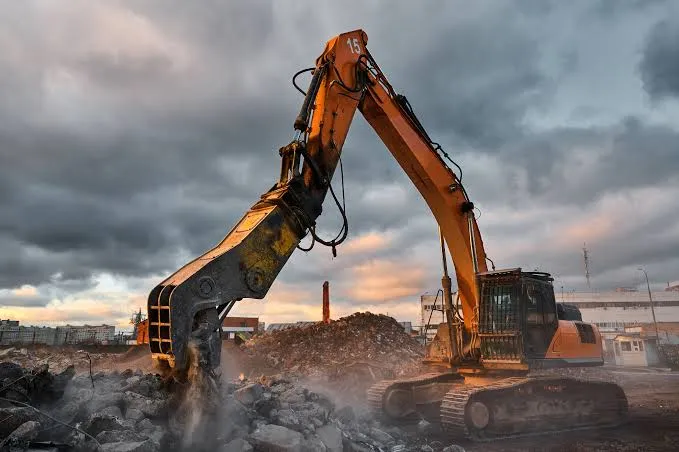
Preparing undeveloped land for construction or another purpose requires more than simply cutting down trees and removing brush. Property owners may encounter dense vegetation, large stumps, fallen timber, rocks, old structures, uneven terrain, and drainage concerns that can complicate development. Professional DFW demolition services can help transform difficult property into a more accessible and manageable site. The right approach depends on the property's condition, intended use, available access, and the amount of preparation required before the next stage of development.
Land clearing may be necessary for residential construction, commercial projects, agricultural improvements, driveways, recreational areas, or general property maintenance. Wise County's development information recognizes clearing, grading, and excavation as activities that can be associated with construction-related land disturbance. For larger projects, landowners should understand applicable development and stormwater requirements before beginning work. Careful planning helps ensure that clearing supports the property's long-term purpose rather than creating unnecessary disturbance.
Understanding the Main Land Clearing Methods
Different properties require different clearing techniques, and the most appropriate method depends on vegetation, terrain, soil conditions, and the desired finished result. Forestry mulching is commonly suited to areas with brush, small trees, vines, and other vegetation that can be processed directly on the property. Instead of hauling every piece of vegetation away, suitable material can be reduced into mulch and distributed across the cleared area. This can be useful when a property owner wants to improve access while retaining some organic material on the ground.
For properties containing larger trees, substantial stumps, rocks, or difficult terrain, heavier equipment may be required. Excavators, bulldozers, skid steers, loaders, and stump grinders can each serve different purposes during a clearing project. Selective clearing may also be appropriate when certain mature trees or natural features need to remain. A professional contractor should evaluate the property before deciding which combination of methods and equipment will provide the appropriate level of clearing.
When Demolition Is Part of the Project
Not every property consists entirely of natural vegetation. Older rural or developed sites may contain sheds, barns, damaged buildings, concrete remnants, fencing, or other structures that interfere with future development. In these situations, DFW demolition services may be incorporated into the overall property preparation plan. Demolition and land clearing should be coordinated carefully so that structures can be removed without creating unnecessary obstacles for subsequent clearing, excavation, or grading.
The handling of demolition debris is another consideration that should be discussed before work begins. Materials from an old structure may require separation, processing, hauling, or disposal according to the project requirements. Coordinating structural removal with vegetation clearing can make the site preparation process more organized. Property owners should make sure the project scope clearly explains whether demolition, debris removal, stump removal, and final cleanup are included or priced separately.
Factors That Influence Land Clearing Costs
There is no single price for land clearing because each property presents different challenges. Acreage is an important factor, but vegetation density, tree size, stump removal, terrain, accessibility, debris quantities, and the desired level of site preparation can significantly affect the total cost. A relatively small property with large trees and restricted equipment access may require more work than a larger parcel containing mostly light brush. This is why an on-site assessment is generally more useful than relying on a basic price per acre.
The intended use of the property can also influence the scope and expense. A landowner who simply wants improved access may not need the same level of clearing as someone preparing a building site. Construction projects may require additional stump removal, grading, excavation, or debris management. Asking for a detailed written estimate helps property owners understand exactly what work is included and makes it easier to compare proposals based on the same project requirements.
The Role of Excavation After Clearing
Land clearing and excavation are closely connected during many development projects, but they serve different purposes. Clearing primarily removes vegetation, trees, stumps, and surface obstacles, while excavation involves moving or removing soil for purposes such as foundations, drainage systems, utilities, ponds, driveways, and other improvements. Once vegetation has been cleared, the property may be much easier to evaluate and prepare for earthwork.
For larger development projects, excavation services DFW TX may become part of the next stage of site preparation. The sequence should be planned carefully so that clearing does not interfere with future excavation routes or construction areas. Contractors can coordinate access and equipment movement around the property's development plan. This type of planning can reduce duplicated work and help ensure that the cleared site is actually prepared for what needs to happen next.
What to Consider Before Hiring a Contractor
Choosing a clearing contractor should involve more than comparing the lowest price. Landowners should ask about relevant experience, available equipment, safety procedures, insurance, debris handling, stump removal, and the contractor's approach to protecting existing property features. A professional should be willing to inspect the site and explain the recommended method rather than providing an estimate without understanding the property's conditions.
Property owners should also identify features that need to remain protected. These may include mature trees, fences, wells, septic systems, utility lines, driveways, drainage areas, buildings, and clearly defined property boundaries. Wise County provides development-related resources covering matters such as driveway permits, floodplain development, pipeline utilities, and onsite sewage systems. Checking the requirements that apply to a particular property before work begins can help prevent avoidable complications during development.
Understanding Permits, Land Disturbance, and Site Conditions
Permitting and development requirements can depend on the property's location and the nature of the proposed work. Wise County's development rules indicate that construction activities involving clearing, grading, and excavation can be subject to stormwater-related requirements when land disturbance reaches applicable thresholds. Projects disturbing one acre or more may involve additional erosion and stormwater controls, while larger construction activities can have further requirements. Landowners should verify the current requirements that apply to their specific project before beginning substantial site work.
Floodplain conditions and drainage should also be considered during planning. Clearing vegetation without understanding how water moves across the property can create avoidable erosion or drainage problems. A qualified contractor can identify obvious site conditions that should be considered when planning the work, although specialized engineering or permitting questions may require the appropriate professional. Good preparation protects both the property and the investment being made in its future development.
Getting the Most Value from Professional Land Clearing
The best clearing project is not necessarily the one that removes the most vegetation. Instead, the goal should be to prepare the property according to its intended use while preserving valuable features wherever practical. Selective clearing can maintain shade trees and natural characteristics, while targeted removal can open areas needed for construction, access, utilities, or agricultural use. This balanced approach can make the property more functional without creating unnecessary disturbance.
Before approving the work, landowners should have a clear understanding of the scope, estimated timeline, equipment, debris handling, stump removal, and any additional services. Professional land clearing services in Wise County TX can provide an important foundation for construction and other property improvements when the work is properly planned. By understanding clearing methods, evaluating costs based on actual site conditions, coordinating demolition and excavation when necessary, and checking applicable development requirements, property owners can approach land preparation with greater confidence and a clearer plan for the future.