How Diamond Facets Influence Sparkle and Fire
By Antiqucut
136 Views
When choosing lab grown cushion cut diamond engagement rings, many buyers focus on size, color, and clarity. While these factors are important, the arrangement and quality of a diamond's facets play an equally significant role in its visual appearance. Facets determine how light enters, travels through, and exits a diamond, creating the brightness and colorful flashes that attract attention. Understanding how facets work can help buyers make a more informed decision when selecting a diamond that matches their preferences.
Understanding Diamond Facets
Facets are the flat, polished surfaces cut into a diamond. Each facet is positioned at a specific angle to guide light through the stone. Together, these facets create the diamond's overall appearance and influence how effectively it interacts with light.
A well-cut diamond contains carefully aligned facets that work together to maximize light return. When light enters a diamond, it reflects internally before returning to the viewer's eye. The precision of the facets determines how efficiently this process occurs.
Different diamond shapes feature unique facet arrangements. Cushion-cut diamonds, in particular, have a distinct facet structure that gives them a soft, rounded appearance while enhancing their visual appeal. Many modern buyers also explore more lab grown cushion cut diamond engagement rings styles to find designs that combine brilliance, comfort, and timeless appeal.
The Relationship Between Facets and Light
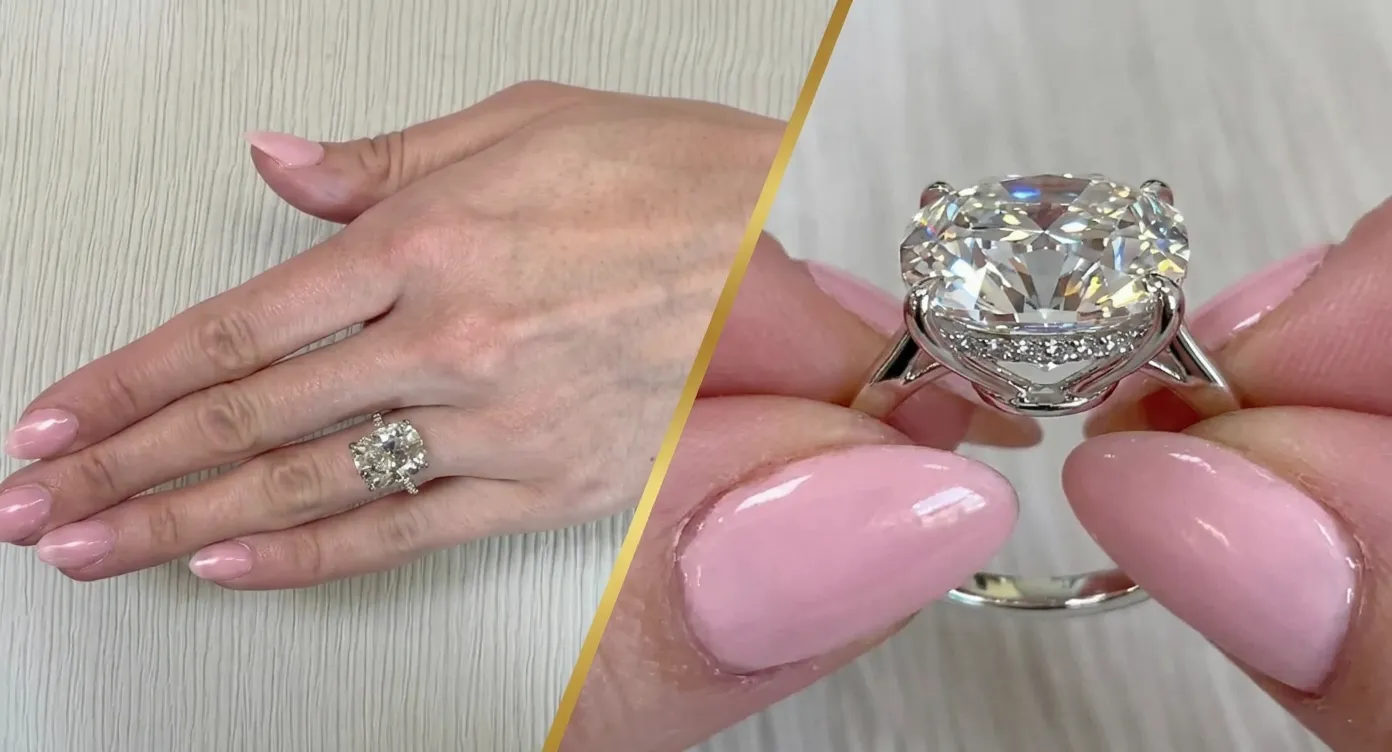
Light performance is one of the most important characteristics of any diamond. Facets act as mirrors inside the stone, directing light throughout the diamond.
When light enters a diamond, three primary effects occur:
Brightness
Brightness refers to the white light reflected back from the diamond. Properly aligned facets help maximize brightness by preventing light from escaping through the sides or bottom of the stone.
Fire
Fire is the display of colorful flashes produced when white light separates into different spectral colors. Certain facet arrangements create stronger fire by increasing light dispersion.
Scintillation
Scintillation describes the pattern of light and dark areas that appear as the diamond moves. Facets contribute significantly to this effect by creating contrast and movement across the stone's surface.
The balance between brightness, fire, and scintillation depends largely on the quality and arrangement of the facets.
Why Cushion Cut Diamonds Have Unique Facet Patterns
Cushion-cut diamonds have been admired for generations because of their distinctive shape and facet design. Unlike some other diamond cuts that emphasize sharp geometric lines, cushion cuts feature rounded corners and larger facets.
These larger facets often produce bold flashes of light rather than numerous tiny reflections. Many buyers appreciate this visual effect because it creates a balanced appearance that combines brightness and fire.
The facet structure found in cushion cut lab grown diamond rings contributes to their recognizable look. Depending on the cutting style, cushion-cut diamonds may feature either a traditional facet pattern or a modified pattern with additional facets.
Each style offers a slightly different visual experience, allowing buyers to choose according to their personal preferences.
How Facet Precision Impacts Appearance
The number of facets alone does not determine a diamond's beauty. Precision is equally important.
When facets are cut at proper angles and proportions, light remains inside the diamond longer before returning to the eye. This process enhances brightness and fire.
If facets are misaligned or poorly proportioned, light may leak from the diamond instead of reflecting back effectively. As a result, the stone can appear less vibrant.
Diamond cutters spend significant time ensuring each facet contributes to optimal light performance. This craftsmanship directly affects the final appearance of the diamond.
The Role of Symmetry in Facet Performance
Symmetry refers to how accurately a diamond's facets align with one another. Excellent symmetry allows light to travel evenly throughout the stone.
Benefits of strong symmetry include:
- Improved light return
- Better balance of brightness and fire
- Consistent visual appearance
- Enhanced overall attractiveness
In cushion-cut diamonds, symmetry is particularly important because the shape relies on balanced proportions and facet placement to achieve its desired look.
When evaluating a diamond, buyers should consider symmetry alongside other quality characteristics.
Facet Arrangement and Color Flashes
One of the most fascinating aspects of a diamond is its ability to display colorful flashes. These flashes occur because facets break white light into individual colors.
Larger facets often create broader color flashes, while smaller facets may produce more numerous flashes across the surface.
Many cushion cut lab grown diamond engagement ring designs showcase this effect beautifully due to their carefully arranged facet structures.
The intensity and visibility of these colors depend on:
- Facet angles
- Facet size
- Overall cut quality
- Lighting conditions
Well-crafted facets allow the diamond to exhibit a pleasing balance of brightness and color.
Modified Cushion Cuts and Their Facets
Modern cushion-cut diamonds are available in several variations. One popular option is the modified cushion cut.
Modified cushion cuts include additional facets beneath the table of the diamond. These extra facets create a more intricate pattern of reflections.
Advantages of modified cushion cuts may include:
- Increased light reflection
- More dynamic appearance
- Enhanced scintillation
Some buyers prefer traditional cushion cuts for their larger flashes of light, while others enjoy the more complex visual pattern of modified cushion cuts.
Both options can be excellent choices depending on individual preferences.
How Facets Affect Diamond Size Perception
Facets can also influence how large a diamond appears.
Certain facet arrangements create broader reflections that give the impression of a larger surface area. This optical effect can make a diamond appear more prominent without increasing its actual carat weight.
Cushion-cut diamonds often benefit from this characteristic because their facet structure can help distribute light across a wide area of the stone.
As a result, many buyers appreciate the visual presence offered by cushion-cut diamonds.
Choosing a Well-Cut Lab-Grown Diamond
When shopping for a diamond, it is important to focus on cut quality in addition to carat weight, color, and clarity.
Factors to consider include:
Proportions
Balanced proportions help facets interact effectively with light.
Symmetry
Proper alignment ensures consistent light performance.
Polish
High-quality polishing allows facets to reflect light efficiently.
Light Performance
Observing how the diamond responds to different lighting conditions can provide valuable insight into its overall quality.
These factors contribute directly to the appearance of lab grown cushion cut diamond engagement rings and should not be overlooked during the selection process.
The Advantage of Lab-Grown Diamonds
Lab-grown diamonds possess the same physical, chemical, and optical properties as mined diamonds. This means their facets interact with light in exactly the same way.
The cutting process remains equally important regardless of the diamond's origin.
Many buyers choose lab-grown diamonds because they can often access larger or higher-quality stones within their budget. This flexibility allows them to prioritize excellent cut quality and facet precision.
At Antiquecut, buyers can explore carefully crafted diamond selections that highlight the importance of exceptional cutting and facet design.
How Lighting Influences Facet Performance
Different lighting environments can affect how facets appear.
Natural Daylight
Daylight often reveals a balanced mix of brightness and color flashes.
Indoor Lighting
Warm indoor lighting may enhance colorful reflections.
Spotlighting
Focused lighting can create strong flashes and dramatic visual effects.
Because facets respond differently under various lighting conditions, it is beneficial to view a diamond in multiple environments whenever possible.
This approach provides a better understanding of the diamond's overall appearance.
Why Cut Quality Matters More Than Many Buyers Realize
Many first-time buyers concentrate on carat weight, believing larger diamonds automatically offer greater visual appeal.
However, a well-cut diamond with precise facets can often appear more attractive than a larger stone with poor cutting.
Cut quality influences:
- Brightness
- Fire
- Light return
- Visual balance
- Overall appearance
For this reason, industry professionals frequently consider cut quality among the most important characteristics when evaluating a diamond.
Finding the Right Cushion-Cut Diamond
Every diamond has its own personality based on its facet arrangement and craftsmanship.
When comparing cushion-cut diamonds, buyers should examine:
- Facet pattern
- Light performance
- Symmetry
- Polish quality
- Overall visual appeal
Taking the time to evaluate these characteristics helps ensure a satisfying purchase.
Conclusion
Diamond facets play a crucial role in determining how a diamond interacts with light. Their arrangement, precision, and symmetry directly influence brightness, fire, and overall visual performance. Cushion-cut diamonds are particularly admired for their distinctive facet patterns, which create beautiful light effects and a unique appearance. Whether choosing traditional or modified designs, understanding the role of facets can help buyers select a diamond that reflects their preferences. By prioritizing cut quality and facet precision, shoppers can enjoy a diamond that delivers exceptional light performance and lasting beauty.
Related Reading
Why Lifestyle & Culture is Transforming the Global Industry Landscape
Welcome to our in-depth exploration of Lifestyle & Culture. In an era define...
Expert Insights: Navigating the Complex World of Lifestyle & Culture
Welcome to our in-depth exploration of Lifestyle & Culture. In an era define...