How Do Heater Installation Services Support Efficient Heating?
By Air Now Heating and Cooling Inc.
84 Views
Introduction
Efficient heating depends on selecting the right system, installing it correctly, and maintaining its performance over time. A properly sized heater can distribute warmth more consistently while avoiding unnecessary energy use caused by frequent cycling or excessive operation. Local HVAC Company West Covina services may include evaluating property requirements, recommending suitable heating equipment, completing installation, and checking system performance. Homeowners should also understand how insulation, airflow, thermostat settings, and regular maintenance affect heating efficiency. By understanding the installation process and the factors that influence system performance, property owners can make informed decisions about heating equipment and create a more comfortable indoor environment.
How Does Proper Heater Sizing Affect Energy Efficiency?
Choosing an appropriately sized heating system is an important part of efficient home heating. The system should have enough capacity to meet the property's heating requirements without being significantly larger or smaller than necessary. Factors such as building size, insulation, windows, layout, and local climate can influence the required heating capacity.
Understanding Heating Capacity and Property Size
Heating capacity refers to the amount of heat a system can produce within a specific period. The appropriate capacity depends on more than the property's square footage. Insulation quality, ceiling height, window placement, air leakage, and the property's overall design can also affect heating requirements.
A proper evaluation helps determine whether a heating system can provide sufficient warmth without excessive energy consumption. This is especially important when replacing an older system or installing heating equipment in a newly constructed space.
Why Oversized or Undersized Heaters Can Cause Problems
An oversized heater may reach the desired temperature quickly and then shut off repeatedly. Frequent cycling can affect comfort, increase mechanical wear, and prevent the system from operating efficiently for longer periods.
An undersized heater may need to operate for extended periods to maintain the desired indoor temperature. During colder conditions, it may struggle to keep up with demand. Proper sizing helps avoid both situations by matching system capacity with the property's actual heating requirements.
How Proper Sizing Supports Consistent Indoor Temperatures
Correct sizing allows a heating system to operate according to the property's heating demand. Instead of repeatedly switching on and off or running continuously, a properly sized system can provide more consistent temperature control.
For homeowners researching a Local HVAC Company West Covina, understanding system sizing can help them ask informed questions about heating capacity, property conditions, and expected system performance.
What Are the Main Steps Involved in Heater Installation?
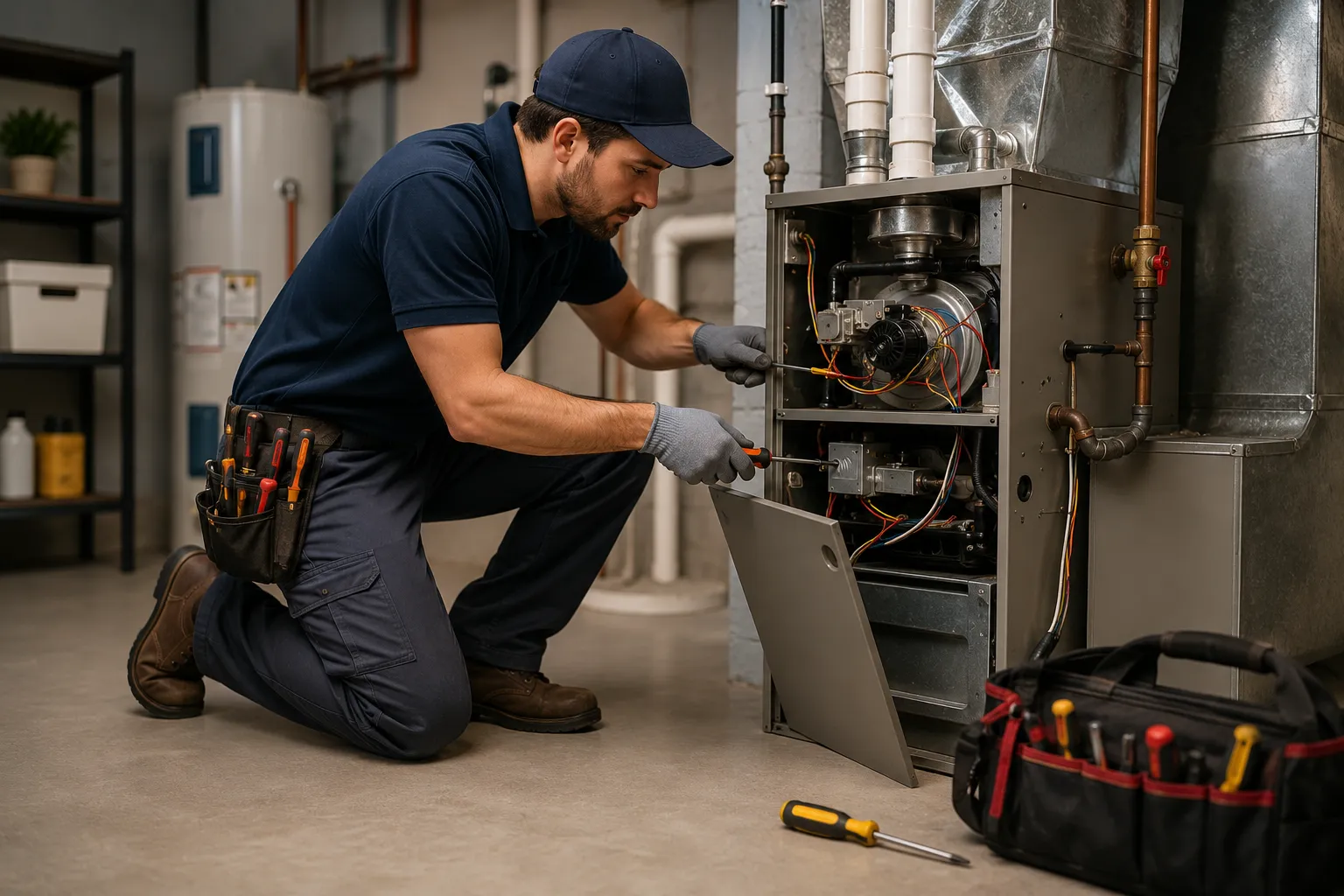
Heater installation involves more than simply placing a new unit inside a property. The process generally begins with evaluating the building and selecting suitable equipment. Installation then involves connecting the system, checking airflow and controls, and testing its operation.
Assessing the Property Before Installation
Before installation, the property should be evaluated to determine its heating requirements and existing system conditions. Technicians may consider the building's size, insulation, ductwork, electrical or fuel connections, ventilation, and thermostat location.
Existing equipment may also need to be removed or modified. A careful assessment helps identify potential installation challenges before the new system is connected.
Connecting and Testing the Heating System
Once the equipment is positioned correctly, the necessary electrical, fuel, ventilation, ductwork, or control connections can be completed according to the system's requirements. The exact installation process varies depending on the type of heater.
After connections are completed, the system should be tested to confirm that it starts correctly and distributes heat as expected. Testing can also help identify airflow or control issues before the system is placed into regular use.
Checking Safety and System Performance After Installation
Safety checks are an important part of heating installation. Depending on the system, this may involve checking connections, ventilation, combustion components, controls, and other relevant safety features.
The system can then be operated to evaluate temperature output, airflow, thermostat response, and overall performance. Proper testing helps confirm that the newly installed equipment is functioning as intended.
Different properties may require different heating solutions. For example, Furnace Services may be relevant for properties using forced-air furnaces, while Central Air Conditioner Services address cooling equipment that may share components such as ductwork or thermostatic controls.
How Can Regular Maintenance Support a Newly Installed Heater?
Even a properly installed heating system requires regular attention to maintain its performance. Dust, restricted airflow, worn components, and incorrect settings can gradually affect efficiency. Routine maintenance helps identify developing problems before they become more disruptive.
Why Routine Inspections Help Maintain Efficiency
Routine inspections can help identify issues involving airflow, electrical connections, controls, filters, moving components, and other parts of the heating system. The appropriate maintenance schedule depends on the equipment type, manufacturer recommendations, operating conditions, and usage.
Regular checks can also help identify unusual operating patterns. Addressing minor issues early may reduce the likelihood of more significant performance problems later.
How Filter Replacement Supports Proper Airflow
A dirty or clogged filter can restrict airflow through a forced-air heating system. Restricted airflow can make the system work harder and may reduce the amount of heated air reaching different areas of the property.
Filters should be checked and replaced or cleaned according to the manufacturer's recommendations and the conditions in the property. Homes with higher levels of dust or frequent system use may require more frequent attention.
Recognizing Early Signs of Heating System Problems
Unusual noises, inconsistent temperatures, weak airflow, frequent cycling, unusual odors, or unexpected increases in energy use can indicate that a heating system needs attention. These signs do not always point to the same problem, so proper evaluation is important before assuming the cause.
Homeowners should also distinguish heating issues from other HVAC concerns. Heater Installation Services focus on installing heating equipment, while Humidifier & Dehumidifier Services address indoor humidity levels that can influence comfort.
For properties where a traditional ducted system is not practical, Ductless Mini-Split Services may provide another approach to heating and cooling individual zones. Water-related HVAC issues are separate from space heating, and Water Heater Repair Services generally address equipment used for domestic hot water rather than indoor temperature control.
FAQs
How does heater size affect efficiency?
A properly sized heater can provide consistent warmth without excessive cycling or prolonged operation.
What should be checked before heater installation?
Property size, insulation, airflow, existing connections, ventilation, and heating requirements should be considered.
How often should a heating system be maintained?
Maintenance frequency depends on the equipment and manufacturer recommendations, but regular inspections can help identify developing problems.
Can a new heater reduce energy use?
A properly selected and installed system may operate more efficiently than an outdated or incorrectly sized system, although actual energy use depends on many property and usage factors.
What are common signs of heating problems?
Uneven temperatures, weak airflow, unusual noises, frequent cycling, and unexpected energy increases can indicate that a system requires evaluation.