How Emergency Protection Terminal Boards Enhance Electrical Safety
By George Philips
35 Views
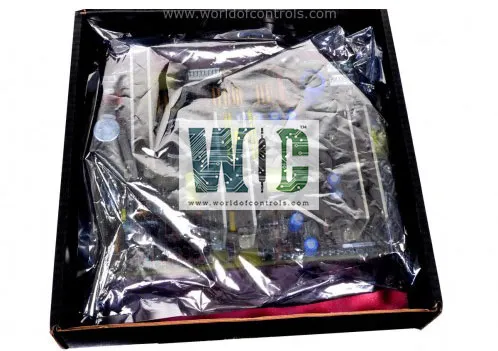
Electrical safety is crucial in industrial environments, especially in the power generation sector, where turbines operate under high stress and demanding conditions. One essential component in safeguarding electrical systems and personnel is the emergency protection terminal board. This article explains how these terminal boards function, their role in electrical safety, and their importance in turbine industry applications.
What Are Emergency Protection Terminal Boards?
Emergency protection terminal boards are specialized electrical panels that serve as the interface between protection relays, control systems, and emergency shutdown mechanisms. They act as a central hub for wiring and signals involved in monitoring, detecting, and responding to emergency conditions within electrical installations.
By organizing the connections between sensors, relays, and control equipment, these terminal boards ensure that safety measures are activated promptly and correctly during faults or hazardous situations.
The Importance of Emergency Protection in Electrical Safety
Electrical systems, especially in industrial settings, face various risks such as short circuits, overloads, or insulation failures. Protection systems detect these faults and initiate emergency actions like tripping breakers or activating alarms to prevent equipment damage and ensure personnel safety.
Emergency protection terminal boards play a critical role in this process by:
- Ensuring Reliable Signal Transmission: Well-organized wiring reduces the chances of signal loss or errors.
- Facilitating Quick Response: Proper wiring and layout help minimize delays in emergency activation.
- Supporting Compliance: They help electrical installations meet safety regulations and industry standards.
Emergency Protection Terminal Boards in the Turbine Industry
Turbines — whether gas, steam, or hydroelectric — operate in challenging environments and require highly reliable protection systems. Emergency protection terminal boards in turbines manage connections between various sensors monitoring speed, vibration, temperature, and electrical parameters and the control systems responsible for emergency shutdowns.
Features for Turbine Applications
- Robust and Durable: Designed to withstand industrial environmental stresses.
- Modular and Compact: Facilitates easy installation and maintenance in turbine control panels.
- Multi-Function Signal Handling: Supports numerous input and output signals required for complex turbine safety protocols.
- Standard Compliance: Meets industry safety and reliability standards specific to power generation equipment.
How They Improve Turbine Safety
By providing a reliable interface for protection relays and sensors, these terminal boards enable fast detection of abnormal operating conditions. Quick communication allows emergency systems to respond instantly — shutting down the turbine or isolating faulty components — thus preventing severe damage and enhancing operator safety.
Benefits of Using Emergency Protection Terminal Boards in Turbines
Increased Safety for Personnel and Equipment
Rapid fault isolation helps reduce the risk of electrical hazards such as shocks, fires, or catastrophic failures, protecting workers and expensive turbine machinery.
Simplified Maintenance and Troubleshooting
Clear wiring organization on terminal boards makes it easier for technicians to identify faults and perform maintenance tasks without extended downtime.
Enhanced System Reliability and Availability
By ensuring fast and dependable emergency response, terminal boards help maintain turbine operational continuity and reduce costly outages.
Conclusion
Emergency protection terminal boards are vital to the safety and reliability of electrical systems in industrial settings, particularly in turbine power generation. Their ability to organize complex wiring and enable rapid emergency responses protects both human lives and critical equipment.
Incorporating well-designed terminal boards in turbine control systems enhances overall safety protocols, helping power plants operate smoothly and securely under demanding conditions.
Related Reading
Why Business & Finance is Transforming the Global Industry Landscape
Welcome to our in-depth exploration of Business & Finance. In an era defined...
Expert Insights: Navigating the Complex World of Business & Finance
Welcome to our in-depth exploration of Business & Finance. In an era defined...