How Garage Door Lubrication Helps Reduce Noise and Wear
By Powerlift Garagedoors
6 Views
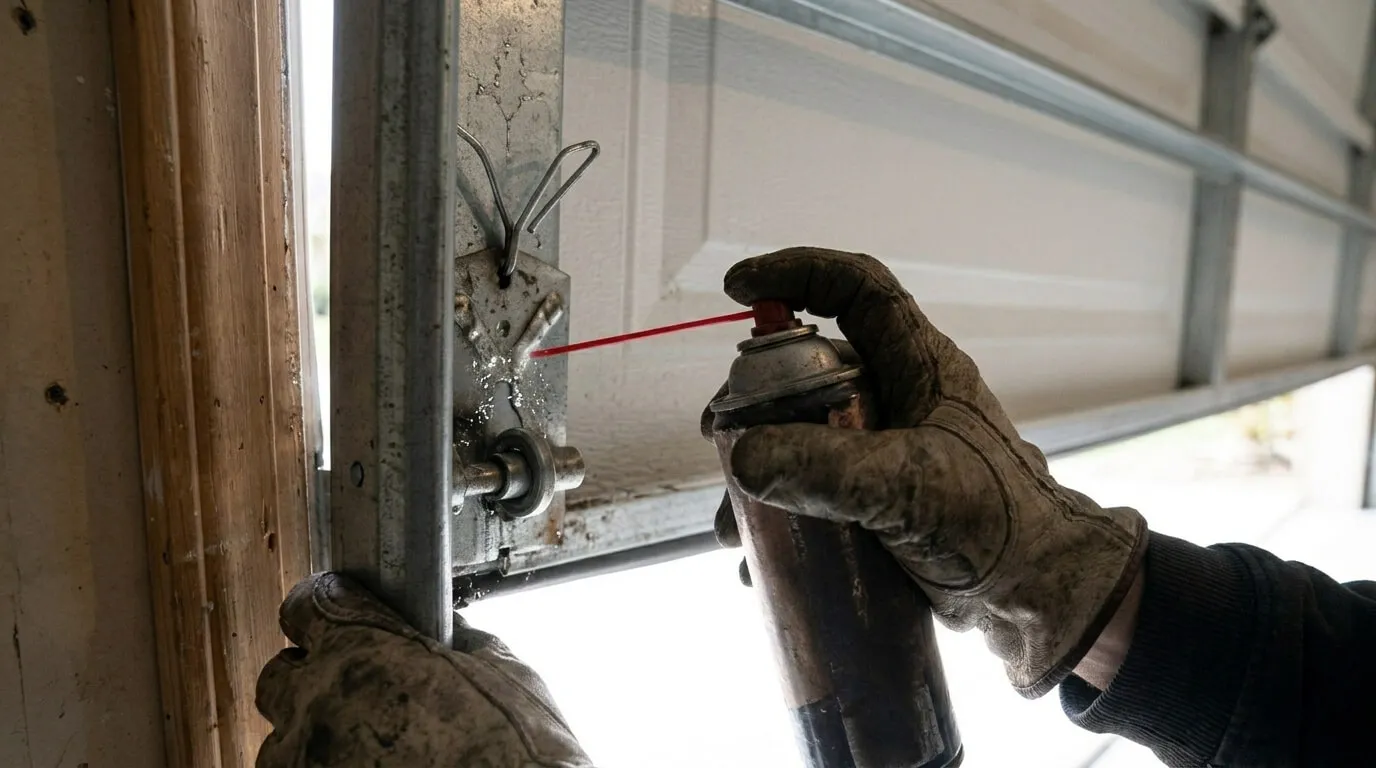
A garage door has a lot of metal moving against metal: rollers turning in tracks, hinges flexing at every joint, springs coiling and uncoiling, and an opener pulling the whole assembly along. Without lubrication, that friction produces noise first and wear soon after. Regular garage door lubrication is one of the simplest and least expensive ways to keep the system quiet and extend the life of its parts, but it only works if you use the right product on the right components.
This guide explains why lubrication matters, which parts need it, what to use, how to do it safely, and when a squeak is telling you something lubrication can't fix. It's written for homeowners and property owners in Pearland and the Greater Houston area, where humidity and heat make upkeep especially worthwhile.
What Friction Does to a Garage Door
Friction is the quiet enemy of any mechanical system. In a garage door, it shows up in a few ways:
- Noise: squeaks, groans, grinding, and rattles often come from dry or worn contact points
- Heat and wear: parts rubbing without lubrication wear faster
- Extra strain on the opener: a door that moves stiffly makes the motor and drive components work harder
- Rust: exposed bare metal, especially in humid conditions, corrodes more easily when it isn't protected
Lubrication reduces friction at those contact points. It won't repair worn parts, but it slows the wear that leads to them.
Why Lubrication Matters
Quieter Operation
Many noise complaints are really lubrication complaints. Squeaking hinges, dry rollers, and dry spring coils are common sources, and a proper application often makes a noticeable difference.
Reduced Wear
Moving parts that glide instead of grind wear more slowly, which helps rollers, hinges, and bearings last longer.
Less Strain on the Opener
When the door moves freely, the opener doesn't have to push through resistance. That helps protect the motor and drive components over time.
Corrosion Protection
A lubricant layer helps keep moisture away from metal surfaces. In a humid climate like Houston's, that matters.
Early Problem Detection
Lubricating gives you a reason to look closely at the hardware. You may notice cracked rollers, loose bolts, rust, or fraying that you'd otherwise miss.
Which Parts Need Lubrication
Not everything on a garage door should be oiled. Here's a practical guide:
Component
Lubricate?
Notes
Rollers
Yes
Apply to the roller bearings and stem where it meets the bracket, not heavily on the track
Hinges
Yes
Apply at pivot points and joints
Torsion spring coils
Lightly
Apply from a safe distance with the door closed
Bearing plates
Yes
Found at the ends of the torsion shaft
Lock and latch
Yes, lightly
If equipped
Chain or screw drive on the opener
Per your model's manual
Guidance varies by model
Belt drive
Generally no
Belts usually shouldn't be lubricated; follow the manual
Inside of the tracks
No
Lubricant attracts dirt and can cause rollers to slip; wipe clean instead
Plastic parts and safety sensors
No
Can degrade or attract debris
Cables
Generally no
Don't handle; leave to a technician
When in doubt, check your opener's manual or ask a professional, especially for anything involving springs or cables.
Choosing the Right Lubricant
The product matters as much as the habit.
A good choice:
- Silicone-based garage door lubricant. It's designed for the job, resists attracting dirt, and works across a range of temperatures. Many products are labeled specifically for garage doors.
- White lithium grease is sometimes recommended for certain metal-on-metal points, such as some hinges and bearing areas, but follow your door or opener manufacturer's guidance.
Products to avoid or use with caution:
- Heavy grease or household oil, which can attract dust and grime and gum up over time
- General-purpose penetrating sprays used as a lubricant. They're typically meant for loosening stuck parts, not long-term lubrication
- Anything on the belt, plastic parts, or sensors, unless the manufacturer says it's okay
If you're unsure which product suits your door, ask a technician or check the manufacturer's recommendations.
How to Lubricate Safely: A Step-by-Step Guide
Lubrication is a manageable DIY task as long as you stay away from tensioned parts. Here's a safe approach:
- Gather supplies: silicone-based garage door lubricant, a clean rag, and a stable stepladder if needed
- Close the door fully and disconnect the opener or unplug it if you'll be working near the drive components
- Wipe the tracks with a rag to remove dirt and old residue (don't lubricate the inside of the tracks)
- Apply lubricant to the roller bearings and stems, and to each hinge pivot point
- Lightly lubricate the springs and bearing plates from a safe distance, avoiding contact with the springs, cables, and bottom brackets
- Check your manual for guidance on the opener's chain or screw drive, and skip belt drives unless instructed
- Wipe away excess so lubricant doesn't drip or attract dirt
- Reconnect or plug in the opener and run the door through a few cycles to distribute the lubricant
- Listen and watch: note any remaining noises, uneven movement, or visible wear
Never touch or adjust springs, cables, or bottom brackets. They're under high tension. If you see anything concerning, stop and call a professional.
How Often Should You Lubricate?
A common baseline is every three to four months. You may want to do it more often when:
- The door is used many times a day
- You live in a humid area like the Houston region
- You hear squeaks returning sooner
- It's been a particularly wet season
More isn't always better. Over-lubricating can attract dust and create buildup, so apply lightly and wipe off excess.
Match the Noise to the Likely Cause
Lubrication helps with some noises but not others. Use this as a rough guide:
Noise
Likely Cause
Lubrication Likely to Help?
Squeaking
Dry hinges, rollers, or springs
Yes
Grinding
Worn rollers, debris in track, or gear wear
Maybe; may need repair
Rattling
Loose hardware
No; tighten hardware
Popping or bang
Spring or cable issue
No; call a professional
Scraping
Misaligned track or hardware
No; inspection needed
Chain slap
Loose chain
No; adjust per manual or call a professional
Humming without movement
Opener or door balance issue
No; needs diagnosis
If noise persists after lubricating, it's a clue that wear or misalignment is involved rather than simple dryness.
Common Lubrication Mistakes
- Using the wrong product, such as heavy grease or household oil
- Lubricating the inside of the tracks, which attracts dirt and can affect roller movement
- Spraying the belt, sensors, or plastic parts
- Over-lubricating, leaving drips and buildup
- Touching springs or cables
- Skipping the wipe-down, leaving old grime in place
- Ignoring persistent noise, assuming more lubricant will fix it
- Skipping the manual, especially for the opener's drive system
When Lubrication Isn't Enough
Lubrication is maintenance, not repair. Consider professional help when you notice:
- Grinding that doesn't go away after lubrication
- Rollers that are cracked, worn, or wobbly
- A door that's crooked, heavy, or unbalanced
- Visible rust, fraying, or gaps in springs or cables
- A loud bang or a door that suddenly won't move properly
- Sensors or remotes behaving inconsistently
- The opener straining or making new noises
Those issues involve parts under tension or electronics, and they're best left to trained technicians.
What Professional Garage Door Maintenance Adds
Home lubrication is a good habit, but it only addresses one part of the picture. Professional garage door maintenance typically adds a full inspection of springs, cables, rollers, tracks, and mounting hardware, along with balance testing, safety reversal checks, and opener adjustments. A technician can also lubricate areas that are risky for homeowners to reach, spot wear you might miss, and explain what needs attention now versus later.
For homeowners in Pearland and surrounding areas, PowerLift Garage Doors, which provides repair and maintenance services across the Greater Houston area, is an example of the kind of local provider worth comparing. If you'd like to see how a focused provider describes what a preventive visit covers beyond a basic lube job, reading about garage door lubrication as part of a full tune-up can help you decide how much to handle yourself and when to bring in help.
Lubrication Tips for Houston-Area Conditions
- Check after wet seasons, since humidity and moisture can wash away or dilute lubricant
- Wipe off dust and pollen before applying, so you don't trap grime
- Look for early rust on hardware while you work
- Check before storm season, when you'll want everything moving freely
- Keep a simple schedule, such as lubricating at the start of each season
Frequently Asked Questions
Can I use WD-40 on my garage door? Many manufacturers recommend silicone-based garage door lubricant instead. Penetrating sprays are generally meant for loosening stuck parts rather than long-term lubrication, and they may not provide lasting protection.
Should I lubricate the tracks? No. Lubricant inside the tracks attracts dirt and can cause rollers to slip. Wipe the tracks clean instead.
Is it safe to lubricate the springs? Light application from a safe distance with the door closed is a common practice, but springs are under high tension, so never touch or adjust them. If you're uncomfortable, leave it to a professional.
How often should I lubricate? Every three to four months is a common baseline, more often in humid or heavy-use situations.
Do I need to lubricate a belt-drive opener? Generally, belts shouldn't be lubricated. Follow your opener's manual for guidance on your specific model.
Will lubrication fix a noisy door? Sometimes. Squeaks from dry parts often improve, but grinding, rattling, or popping can indicate wear, loose hardware, or tension issues that need other fixes.
Can too much lubricant cause problems? Yes. Excess can attract dust and create buildup. Apply lightly and wipe away any extra.
Final Thoughts
Lubrication is a small task with outsized benefits. A few minutes with the right product can quiet a noisy door, reduce wear, protect against rust, and ease the load on the opener. Keep it light, stay away from tensioned parts, and pay attention to what the noises are telling you. When a problem is beyond what lubrication can fix, a professional inspection can pick up where your routine leaves off, keeping your garage door running smoothly and safely.