How Hard Is Larkya La Pass?
By Aftab Sheikh
84 Views
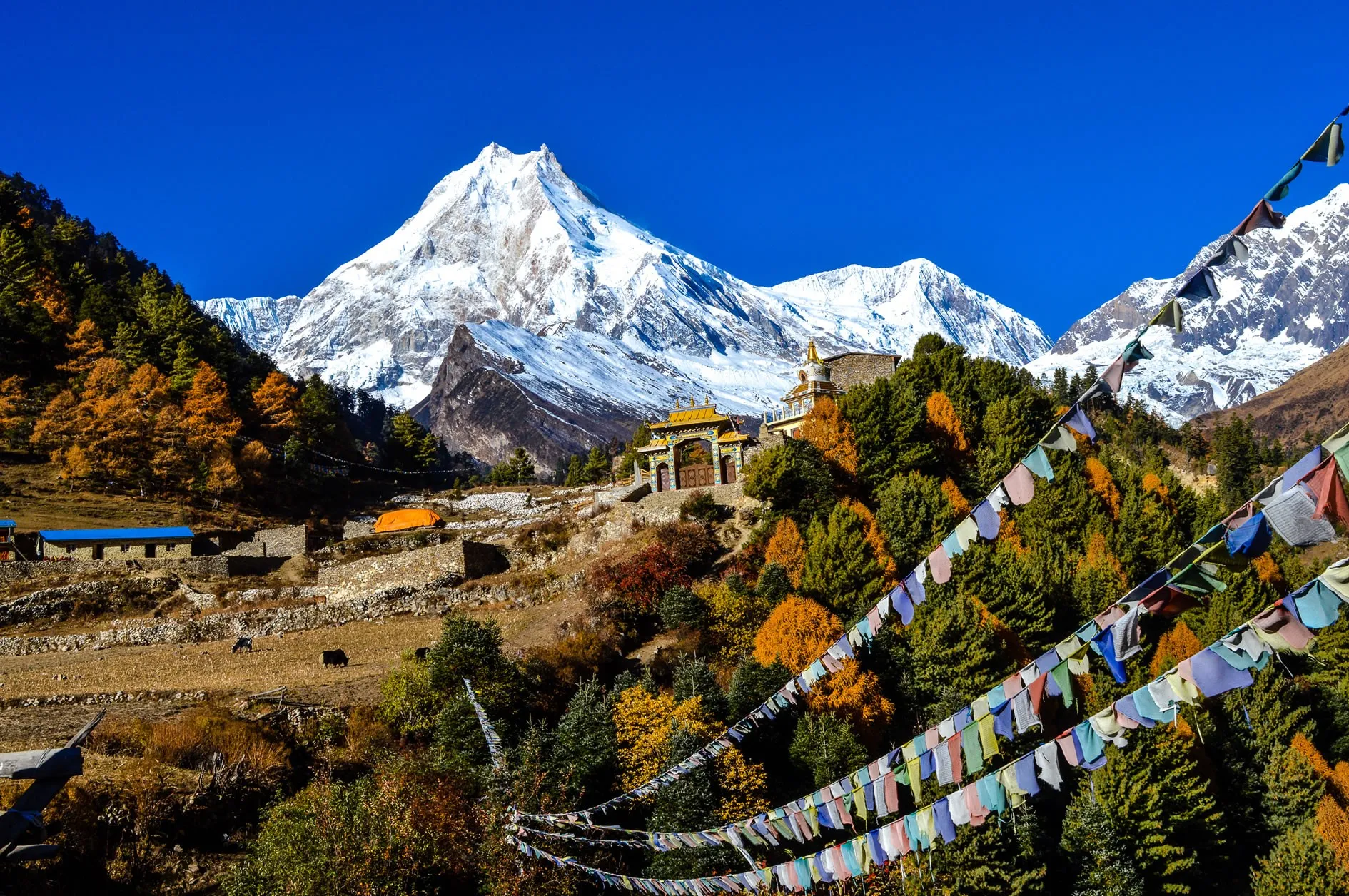
So, how hard is the Larkya La Pass, really? Honestly, it’s not about rock climbing or ropes. The real hurdle comes from the sheer altitude, bone-chilling weather, endless walking hours, and rough mountain terrain. Standing at roughly 5,106 meters, it's the highest point on the Manaslu Circuit Trek. You're dealing with way less oxygen up there. Is it doable? Sure, if you're in decent shape and take the time to get acclimatized to the thin air. But don't brush it off. A savvy itinerary, a steady pace, the right gear, and keeping an eye out for altitude sickness will save you a lot of misery.
The Difficulty Breakdown
Let's be clearLarkya La is a tough high-altitude beast. Here's the thingnormal conditions don't demand technical climbing gear, but mix that massive elevation with the distance, and you've got a brutal day ahead. Most folks launch way before dawn from Dharamsala, grind their way up to the pass, and then hike all the way down to Bimthang. In one day. Throw in some bad weather, and that trail feels twice as long.
Why Is Larkya La So Brutal?
Altitude. That's the main culprit. Once you creep past 4,000 meters, your body’s starved for oxygen, making every single step feel heavy. And the trail? It's a mess of rocks, uneven dirt, and sometimes snow. Add freezing winds and a punishing downhill stretch after the pass, and you've got a recipe for exhaustion. Even if you're a beast at lower elevations, Larkya La will humble you.
Let's Talk Altitude: 5,106 Meters
At 5,106 meters above sea level, breathing gets weird. Your pace naturally slows down to a crawl, and even basic movements take extra effort, which means pacing yourself isn't just a suggestion, it's survival. Don't look at how easily you crushed the lower sections of the Manaslu Circuit and assume you'll fly through this. High altitude plays by totally different rules.
Why Acclimatization Really Matters
Proper acclimatization is your best friend here. Worth knowing: a well-planned Manaslu itinerary slowly bumps up the elevation, usually tossing in an extra day to rest in Samagaon. From there, you push on to Samdo and Dharamsala before even thinking about the pass, and this gives your body time to adjust to the altitude. Don't skip it.
Dharamsala to the Pass
Your summit morning kicks off at Dharamsala (also called Larkya Phedi). You've got to begin early because the trek is long and the weather loves to turn sour by afternoon. The space? Rugged, exposed, and practically devoid of trees. As you climb higher, your speed drops. Don't rush, and just focus on putting one foot in front of the other.
Physical Preparation
Want an easier time? Here's the thingbuild up your cardio and leg strength before you go. Long walks, stair climbing, and back-to-back hiking days are great practice. Toss some weight in your backpack while training, toocarrying your own gear changes your endurance big time. That said, being fit doesn't make you bulletproof against altitude.
Getting Your Head Right
Mental game is half the battle. Honestly, crossing the pass feels painfully slow. The summit might look right there, but thin air plays tricks on your brain, making progress feel glacial. Pick a small patch of trail ahead of you and focus on that instead of the whole mountain. Stay calm, take breathers, and trust your slow rhythm.
Weather and Trail Conditions
The weather can totally make or break your Larkya La experience. The truth is, clear skies give you killer mountain views and an easier walk. Snow, howling winds, or thick fog? Suddenly you're fighting for your life on icy footing. Always check in with local guides and be ready to adapt.
Spring vs. Autumn and the Rest
Spring and autumn are the go-to seasons for the Manaslu Circuit for a reason. Autumn brings crisp, clear skies, while spring slowly warms things up. Winter, though? Heavy snow and freezing temperatures can make the pass extremely difficult. Monsoon brings messy clouds and washed-out roads at lower levels. Pick your window wisely.
How Long Does It Take?
Getting from Dharamsala, over the pass, and down to Bimthang takes a full, exhausting day. How long exactly? Depends on your speed, the weather, and how your body handles the thin air. Honestly, quick hikers wrap it up early. Others take longer. Starting early gives you a safety buffer so you're not descending in the dark.
Can Beginners Do It?
First-timers can totally cross Larkya La, provided they prep right and stick to a clever schedule. Fun factyou don't need mountaineering skills, just the grit for long walking days and high elevations. Don't try to cram the trek into a rushed, short itinerary. Go slow. Listen to what your body's telling you.
What About Experienced Trekkers?
Think about it: if you've done high-altitude stuff before, Larkya La might feel a bit more familiar, and you already know how to pace yourself and deal with the cold. But hey, experience doesn't make you immune to altitude sickness, and even veteran hikers need to keep their ego in check and take it slow.
Making It Easier on Yourself
Want to survive without hating your life? Prep beforehand. Stick to a gradual itinerary, take acclimatization seriously, train with a loaded pack, sleep when you can, drink tons of water, and eat properly. Honestly, once you're on the trail, begin out slowdon't sprint out of the gate. Grab some trekking poles and good layers, and you'll be way more comfortable.
Red Flag Symptoms
Pay attention if your body starts acting weird on the way up. Throbbing headaches, random dizziness, confusion, deep weakness, stumbling, or trouble breathing? Stop. Tell your guide immediately. Don't try to be a hero and push through just to check the pass off your list. Safety beats the itinerary every single time.
Wrapping Up
Larkya La Pass is tough largely because of the altitude, the hours on your feet, the cold, and the rough ground. At 5,106 meters, it asks for more than just average fitnessbut thankfully, you don't need technical climbing skills. Believe it or not, take your time acclimatizing, train hard, pack the right gear, kick off early, and keep a steady, stubborn pace. Respect the mountain, stay flexible, and you'll walk away with an incredible adventure under your belt.