How Much Does Land Clearing Cost in Wise County, TX?
By Jacky Roth
66 Views
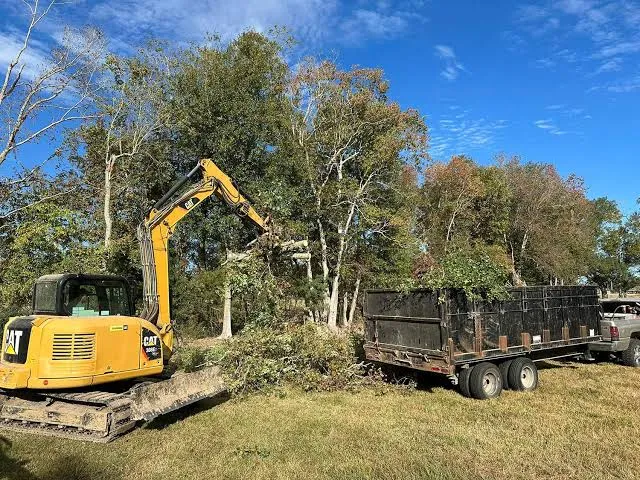
Land clearing is often one of the first major expenses when preparing a property for construction, agriculture, recreation, or future development. The cost can vary considerably depending on acreage, vegetation, terrain, access, debris removal, and the condition in which the owner wants the property left. For this reason, land clearing services wise county tx are rarely priced using a single standard rate for every property. A small homesite with light brush can require far less work than several acres covered with mature trees and dense undergrowth. Understanding the factors behind pricing can help landowners create a more realistic project budget.
Average Land Clearing Costs in Wise County
There is no universal price per acre for land clearing because every property presents different challenges. Current North Texas pricing examples show that projects can range from relatively modest costs for light brush removal to several thousand dollars per acre for dense vegetation, tree removal, stump work, and debris hauling. Some local providers serving Wise County report typical projects in the range of roughly $1,200 to $5,000 per acre, while broader DFW estimates can vary beyond that range depending on the scope. These figures should be treated as planning estimates rather than guaranteed quotes.
The final price is normally determined after a contractor evaluates the property in person. A professional can assess the number and size of trees, density of brush, ground conditions, slope, access, and the amount of material that must be removed. The desired finished condition also matters because simply mulching vegetation is different from creating a fully cleared, construction-ready site. A landowner should therefore be cautious about choosing a contractor based only on a low advertised per-acre figure. A detailed estimate provides a much clearer picture of the actual project cost.
Property Size and Vegetation Density
Acreage naturally affects the amount of labor, fuel, equipment time, and debris processing required. However, property size alone does not determine the price. One acre of open pasture with scattered brush can be much easier to clear than one acre containing dense cedar, mesquite, hardwoods, and heavy undergrowth. Thick vegetation may require multiple passes with specialized equipment or additional cutting and removal. The more difficult the vegetation is to process, the more time the crew may need to complete the work.
Tree size can also have a significant impact on the estimate. Small brush and saplings can often be handled efficiently with forestry mulching equipment, while mature trees may require an excavator, chainsaw work, stump removal, or additional hauling. If the landowner wants trees selectively preserved, operators may need to work more carefully around those areas. This additional precision can increase labor compared with unrestricted clearing. Discussing which trees should remain before work starts can help contractors prepare an accurate scope.
Access, Terrain, and Ground Conditions
The ease with which equipment can reach the property can influence the overall cost. Properties with wide entrances and relatively open terrain generally provide better working conditions than parcels with narrow gates, steep slopes, fences, or limited equipment access. Contractors may need additional time to position machinery or use smaller equipment in restricted areas. Long travel distances across a property can also increase operating time. These factors are why two properties with identical acreage can receive very different estimates.
Wise County properties can include flat, gently rolling, wooded, and brush-covered areas, creating different working conditions from site to site. Soil and moisture conditions can also affect equipment movement and productivity. Working on saturated ground may require additional care to avoid rutting and unnecessary soil disturbance. A professional contractor considers these conditions during the site assessment. Addressing access and terrain issues before work begins can help prevent unexpected changes to the original project plan.
Debris Removal and Disposal Costs
What happens to cleared material is another major factor in the final price. Some landowners prefer forestry mulching, where suitable vegetation is processed and distributed back onto the property. This approach can reduce the need for hauling and may leave organic material that can decompose naturally. Other projects require trees, brush, stumps, construction debris, or other materials to be removed completely. Loading, transporting, and disposing of these materials requires additional equipment, labor, transportation, and disposal expenses.
Landowners should ask exactly what is included in a clearing estimate before approving the work. A quote that covers cutting vegetation but excludes hauling can appear inexpensive initially but become more expensive once disposal is added. The same applies to stump removal, burning, chipping, or on-site debris piles. A professional estimate should clearly explain how cleared materials will be handled. Knowing this information in advance makes it easier to compare proposals from different contractors on an equal basis.
When Excavation Is Part of the Project
Land clearing and excavation are often connected when a property is being prepared for construction. After vegetation and debris have been removed, the site may require grading, trenching, driveway preparation, drainage work, or foundation excavation. Excavation services dfw tx can therefore become an additional part of the project when the goal is to create a buildable site rather than simply remove unwanted vegetation. The equipment and labor requirements for excavation are different from basic brush clearing. Combining related work may simplify scheduling when both services are needed.
The intended use of the property should guide the contractor's approach from the beginning. A future homesite may require a carefully graded building pad, while agricultural land may need improved drainage or access routes. A commercial development can require considerably more extensive preparation, including mass grading and utility-related excavation. Clearing should therefore be viewed as one stage of a broader site preparation process when construction is planned. Planning these stages together can help reduce duplicated equipment mobilization and unnecessary rework.
How to Get an Accurate Land Clearing Estimate
The best way to understand your property's actual cost is to arrange an on-site evaluation with an experienced contractor. Before the visit, identify the approximate acreage and explain what you want the land to become after clearing. Point out trees, fences, structures, drainage areas, access roads, or other features that should remain protected. This information allows the contractor to evaluate the site based on your specific objectives rather than making assumptions. A detailed site visit can also uncover challenges that are difficult to identify from photographs alone.
When comparing estimates, look beyond the final dollar amount. Ask whether the price includes equipment, labor, stump removal, debris processing, hauling, grading, and cleanup. It is also useful to ask about the expected project duration and whether weather or difficult ground conditions could affect the schedule. A professional contractor should explain the scope in straightforward terms and identify potential additional costs before work begins. Clear communication can make the budgeting process much easier and reduce the possibility of unpleasant surprises.
Ways to Manage Your Land Clearing Budget
Landowners can often control costs by deciding which work is essential and which improvements can be completed later. Selective clearing may be appropriate when mature trees or natural areas can remain, while forestry mulching may reduce hauling expenses when complete debris removal is unnecessary. Preparing equipment access before the crew arrives can also improve productivity. If excavation or grading will follow the clearing, coordinating the schedule may reduce repeated mobilization costs. The most economical approach depends on the property's condition and the owner's long-term plans.
Getting multiple detailed estimates can also help establish a realistic budget for the project. However, the cheapest proposal is not automatically the lowest overall cost if important services are excluded. An estimate should be compared according to the amount of work included, the equipment being used, debris handling, site protection, and the expected finished condition. Experienced professionals can explain why one clearing method may be more appropriate than another. Choosing a clearly defined scope helps ensure that the final result matches the landowner's expectations.
Planning Ahead for Your Wise County Property
Land clearing costs in Wise County can vary widely, but the biggest factors are usually the property's vegetation, acreage, terrain, accessibility, debris requirements, and intended use. Understanding these variables gives landowners a better starting point for budgeting and contractor discussions. Professional land clearing services wise county tx can address everything from brush removal and forestry mulching to tree and stump removal, depending on the project's requirements. A careful assessment is essential because there is no reliable one-size-fits-all price for every parcel.
If your property will eventually need construction, grading, or excavation, it is wise to consider those requirements before clearing begins. Discussing the entire project with an experienced contractor can help establish the appropriate sequence of work and identify potential costs early. With realistic planning and a clearly defined scope, landowners can prepare their Wise County property without relying on guesswork. The result is a cleaner, more accessible site that is better positioned for its next stage of development.