How Much Energy Can Solar Cleaning Recover On Average?
By john smit
44 Views
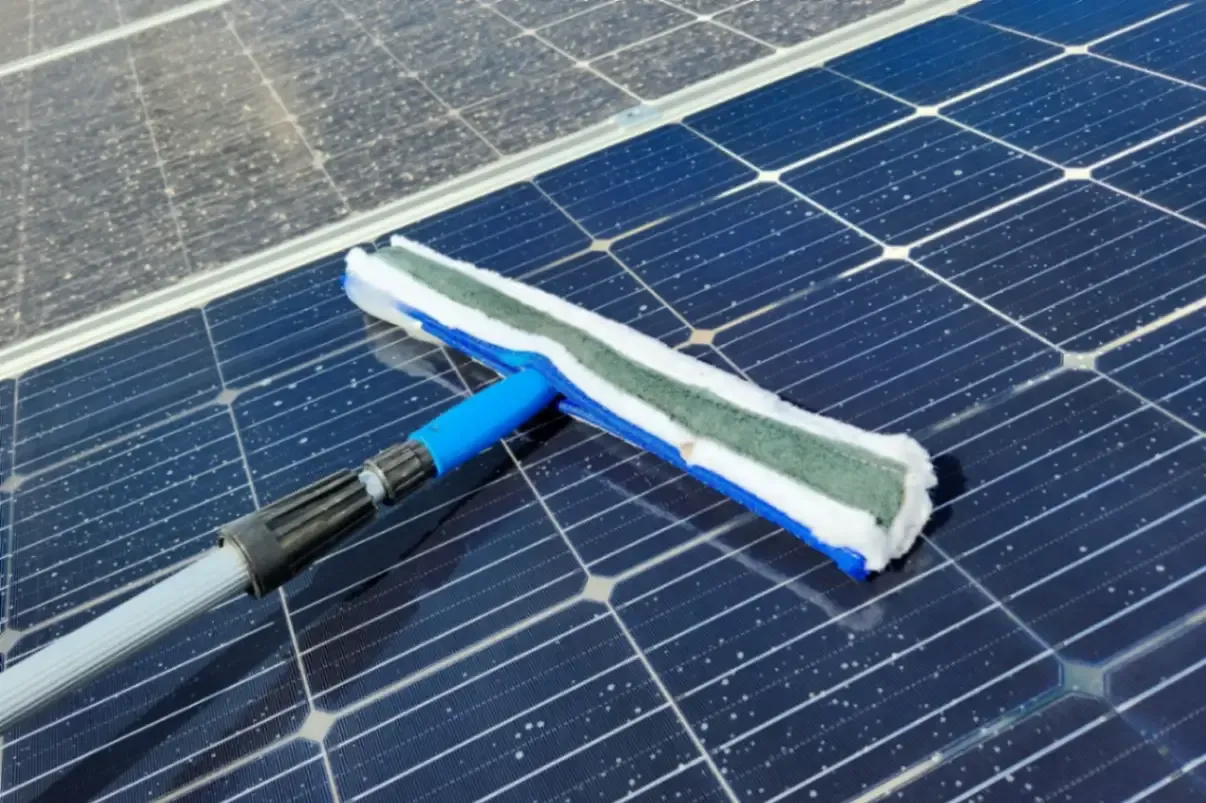
Dust, pollen, bird droppings, and other debris can slowly cover solar panels and reduce the amount of sunlight reaching their surface. For homeowners, even a modest drop in production can matter over an entire year. Residential Solar Cleaning helps remove these obstructions so panels can receive more usable sunlight. However, the amount of energy recovered depends on local conditions, panel design, weather, and the level of buildup.
How Much Energy Can Solar Cleaning Recover?
There is no single percentage that applies to every solar installation. The amount of energy recovered after cleaning depends mainly on how dirty the panels were before the work began.
Light surface dust may have little measurable impact, while heavy dirt, pollen, leaves, or bird droppings can create more noticeable losses. Research and field observations commonly show that cleaning can produce relatively small gains in some locations and much larger improvements when panels have significant soiling.
For example, imagine a home solar system normally produces 900 kilowatt-hours (kWh) during a particular month. If heavy buildup has reduced production by 8%, cleaning could potentially restore roughly 72 kWh of production under otherwise similar conditions.
That does not mean every system will recover exactly 8%. Actual results can vary considerably.
What Determines Energy Recovery After Cleaning?
Several factors influence how much electricity a homeowner may regain.
Amount of Dirt on the Panels
The most obvious factor is the amount and type of buildup. A thin layer of dust may have a limited effect, while thick deposits can block a greater portion of incoming sunlight.
Common sources of panel soiling include:
- Dust and fine soil
- Pollen
- Bird droppings
- Leaves and plant debris
- Airborne pollution
- Ash and other particles
- Water spots and mineral deposits
Bird droppings can be especially troublesome because they may cover individual cells or sections of a panel rather than creating an even layer across the entire surface.
Local Weather Conditions
Weather plays a major role in how quickly solar panels become dirty. Dry regions with frequent dust or little rainfall may experience faster buildup than areas with regular precipitation.
Rain can remove some loose particles, but it does not always provide a complete cleaning. Rainwater may also leave mineral deposits behind after evaporation, especially when panels are exposed to contaminated or hard water.
Panel Tilt and Installation Location
The angle of a solar panel can affect how easily dust and debris remain on its surface. Panels installed at a steeper angle may shed loose material more easily than panels installed at a shallow angle.
Nearby trees, roads, construction sites, agricultural areas, and industrial facilities can also increase exposure to airborne particles.
Type of Soiling
Not all dirt affects solar production in the same way. Loose dust may allow some sunlight to pass through, while thick or uneven deposits can create stronger shading effects.
This is particularly important when a stubborn deposit covers only part of a panel. Even localized obstruction can affect the output of the affected section.
Typical Energy Recovery From Solar Cleaning
Homeowners often want a simple number before scheduling cleaning. However, the most useful approach is to think in terms of potential recovery rather than a guaranteed percentage.
The following table provides general examples rather than fixed performance guarantees.
Panel ConditionPossible Production ImpactPotential Cleaning BenefitLight dustLowSmall improvementModerate dust and pollenLow to moderateNoticeable improvementHeavy dust buildupModeratePotentially significant improvementBird droppings and localized debrisVariableCan improve affected areasLong-term heavy soilingModerate to highGreater recovery may be possibleRecently cleaned panelsMinimalLittle immediate gain expected
These ranges are intentionally broad because actual results depend on the solar system and environment.
For a homeowner, comparing electricity production before and after cleaning can provide a more meaningful measurement than relying on a general industry percentage.
How Solar Cleaning Affects Annual Energy Production
A small monthly production loss can become more significant when it continues for many months.
Suppose a residential solar system produces 12,000 kWh annually under normal conditions. If soiling reduces production by 5%, that represents approximately 600 kWh of potentially lost generation.
If cleaning removes enough buildup to recover most of that loss, the annual improvement could be meaningful.
However, this example should not be treated as a guaranteed result. The actual recovery depends on how much soiling was present, how long it remained on the panels, and whether other factors were limiting production.
Why Small Improvements Still Matter
Solar panels generate electricity every day they receive sufficient sunlight. Therefore, a small efficiency improvement can accumulate over time.
For example, recovering a few extra kilowatt-hours each month may seem insignificant on its own. Over several years, however, those additional units can add up.
This is one reason homeowners should consider panel condition as part of their broader solar maintenance routine.
How to Measure the Results of Solar Cleaning
The easiest way to understand whether cleaning helped is to compare production data.
Many modern solar systems provide monitoring through an inverter or mobile application. Homeowners can use these records to compare energy production before and after cleaning.
Check Production Over Similar Periods
A direct comparison works best when weather and sunlight conditions are reasonably similar.
For example, compare several days or weeks before cleaning with a similar period afterward. Looking at a single day may not provide enough information because clouds, temperature, and other conditions can cause large natural variations.
Look at Longer-Term Trends
Monthly production data can provide a clearer picture.
If a system shows declining output over several months and production improves after cleaning, the change may indicate that soiling was contributing to the decline. Still, homeowners should also consider shading, equipment problems, seasonal sunlight changes, and other possible causes.
Use Your Monitoring System
Many solar installations track daily, monthly, and annual generation. These records can help identify unusual changes in performance.
If production remains low after cleaning, the issue may not be dirt. An installer or qualified solar professional may need to inspect the system.
When Is Solar Cleaning Most Useful?
Cleaning is generally more valuable when panels have visible or measurable buildup.
Homeowners may want to consider cleaning when they notice:
- Significant dust covering the panel surface
- Heavy pollen accumulation
- Persistent bird droppings
- Leaves or plant material stuck to panels
- Dirt that remains after rainfall
- A noticeable unexplained drop in production
- Panels located near dusty roads or construction
- Long periods without meaningful rainfall
Visible dirt alone does not always mean cleaning will produce a major energy gain. The better question is whether the buildup is substantial enough to interfere with sunlight reaching the photovoltaic cells.
Can Rain Replace Solar Panel Cleaning?
Rain can provide some natural cleaning, but it should not automatically be considered a complete maintenance solution.
Light rain may wash away loose dust. However, heavier deposits can remain attached to the surface, while dried rainwater can leave mineral residue.
In addition, rain cannot remove every type of obstruction. Bird droppings, sticky pollen, and certain airborne particles may remain even after several showers.
For this reason, homeowners in areas with frequent rainfall should still monitor panel condition instead of assuming rain will always keep the system clean.
DIY Cleaning Versus Professional Solar Cleaning
Some homeowners choose to clean accessible panels themselves. For ground-mounted or easily reachable systems, basic maintenance may be straightforward.
However, roof-mounted panels present additional safety concerns. Walking on a roof, working around electrical equipment, or using inappropriate cleaning tools can create unnecessary risks.
Professional cleaners typically have experience working around solar equipment and can select appropriate methods for removing dirt without damaging panel surfaces.
Why Cleaning Methods Matter
Solar panels should not be treated like ordinary windows. Abrasive materials, harsh chemicals, or aggressive scrubbing can damage surfaces or leave residues.
A suitable cleaning approach may involve:
- Soft brushes
- Clean water
- Non-abrasive equipment
- Proper extension tools
- Safe access equipment
- Manufacturer-appropriate cleaning methods
The goal is to remove contamination without scratching the panel or creating another maintenance problem.
How Much Can Cleaning Save on Electricity Costs?
Energy recovery and financial savings are related, but they are not exactly the same thing.
The financial value of recovered electricity depends on factors such as the homeowner's utility rate, system size, local electricity pricing, and whether the solar system sends excess electricity to the grid.
For example, recovering 300 kWh has a different financial value for a household paying $0.15 per kWh than for one paying $0.30 per kWh.
A simple estimate can be made by multiplying recovered energy by the applicable electricity value:
Recovered energy × electricity value = potential energy value
If cleaning helps restore 300 kWh and the applicable value is $0.20 per kWh, the potential value would be about $60.
This is an illustration, not a guaranteed savings figure.
How Often Should Solar Panels Be Cleaned?
There is no universal cleaning schedule for every home. A better approach is to consider local conditions and monitor system performance.
A home surrounded by trees, located near a dusty road, or exposed to frequent pollen may need attention more often than a system in a relatively clean environment.
Homeowners can inspect panels periodically and check their production data. If buildup becomes noticeable or output changes without another obvious explanation, cleaning may be worth considering.
Factors That May Increase Cleaning Frequency
Panels may require more frequent attention when they are exposed to:
- Dry and dusty weather
- Heavy pollen seasons
- Nearby construction
- Agricultural activity
- Industrial pollution
- Large bird populations
- Trees that shed leaves or other material
These conditions can cause soiling to accumulate faster than normal.
How to Get the Most From Solar Cleaning
Cleaning alone cannot compensate for every cause of reduced solar production. Homeowners should consider it as one part of a broader maintenance strategy.
For better results, keep track of system production and investigate unusual changes instead of automatically assuming dirt is responsible.
It is also useful to:
- Inspect panels periodically.
- Monitor energy production.
- Keep nearby vegetation under control.
- Address persistent bird activity when appropriate.
- Follow the panel manufacturer's maintenance recommendations.
- Avoid abrasive cleaning materials.
- Use qualified professionals for difficult or hazardous installations.
This approach makes cleaning more targeted and helps homeowners avoid unnecessary service.
When Cleaning May Not Solve Low Solar Production
A dirty panel is only one possible reason for declining solar output.
Other causes can include shading from newly grown trees, inverter problems, wiring issues, equipment degradation, damaged panels, or seasonal changes in sunlight.
If production remains unusually low after cleaning, additional inspection may be necessary.
This distinction is important because repeatedly cleaning panels will not correct an electrical or equipment-related problem.
A Practical Way to Estimate Your Potential Recovery
Homeowners can create a simple baseline before scheduling service.
First, review several weeks or months of production data. Next, inspect the panels for visible buildup and consider environmental conditions around the property.
After cleaning, continue monitoring production under comparable weather conditions.
A useful comparison includes:
- Energy produced before cleaning
- Energy produced after cleaning
- Weather conditions
- Number of sunny hours
- Panel shading
- Amount of visible buildup
- Time since the previous cleaning
This information gives homeowners a better understanding of whether cleaning is producing a worthwhile improvement.
Conclusion
Solar cleaning can recover lost energy when dirt, dust, pollen, bird droppings, or other debris are blocking sunlight from reaching photovoltaic cells. However, the amount recovered varies from one property to another, so a fixed percentage should not be treated as a guarantee. System size, local weather, panel angle, surrounding environment, and the severity of buildup all influence the result. Regular monitoring provides the clearest way to identify changes in production and determine whether cleaning is useful. By combining production tracking with sensible maintenance, homeowners can keep their solar investment operating efficiently and address problems before they become larger performance concerns.
FAQs
How much energy can solar cleaning recover?
The amount varies depending on how dirty the panels are and the local environment. Light dust may cause a small loss, while heavy buildup can create a more noticeable reduction in energy production.
Does rain clean solar panels effectively?
Rain can remove some loose dust and debris, but it may not remove bird droppings, pollen, or stubborn deposits. Dried rainwater can also leave mineral spots on the panel surface.
How often should residential solar panels be cleaned?
There is no fixed schedule for every home. Cleaning needs depend on factors such as local weather, dust, pollen, nearby trees, construction, and visible buildup on the panels.
Can dirty solar panels increase electricity costs?
Yes, if significant dirt reduces solar production, the system may generate less electricity. The financial impact depends on the amount of energy lost and the value of that electricity.
Is professional solar cleaning necessary?
Professional cleaning can be useful for roof-mounted or difficult-to-access panels. Trained cleaners can use suitable equipment and methods while reducing the risks associated with working around solar installations.
Related Reading
Why Business & Finance is Transforming the Global Industry Landscape
Welcome to our in-depth exploration of Business & Finance. In an era defined...
Expert Insights: Navigating the Complex World of Business & Finance
Welcome to our in-depth exploration of Business & Finance. In an era defined...