How Patio Cover Installation in Dallas, TX Handles Texas Heat and Storms
By Devin Dee
41 Views
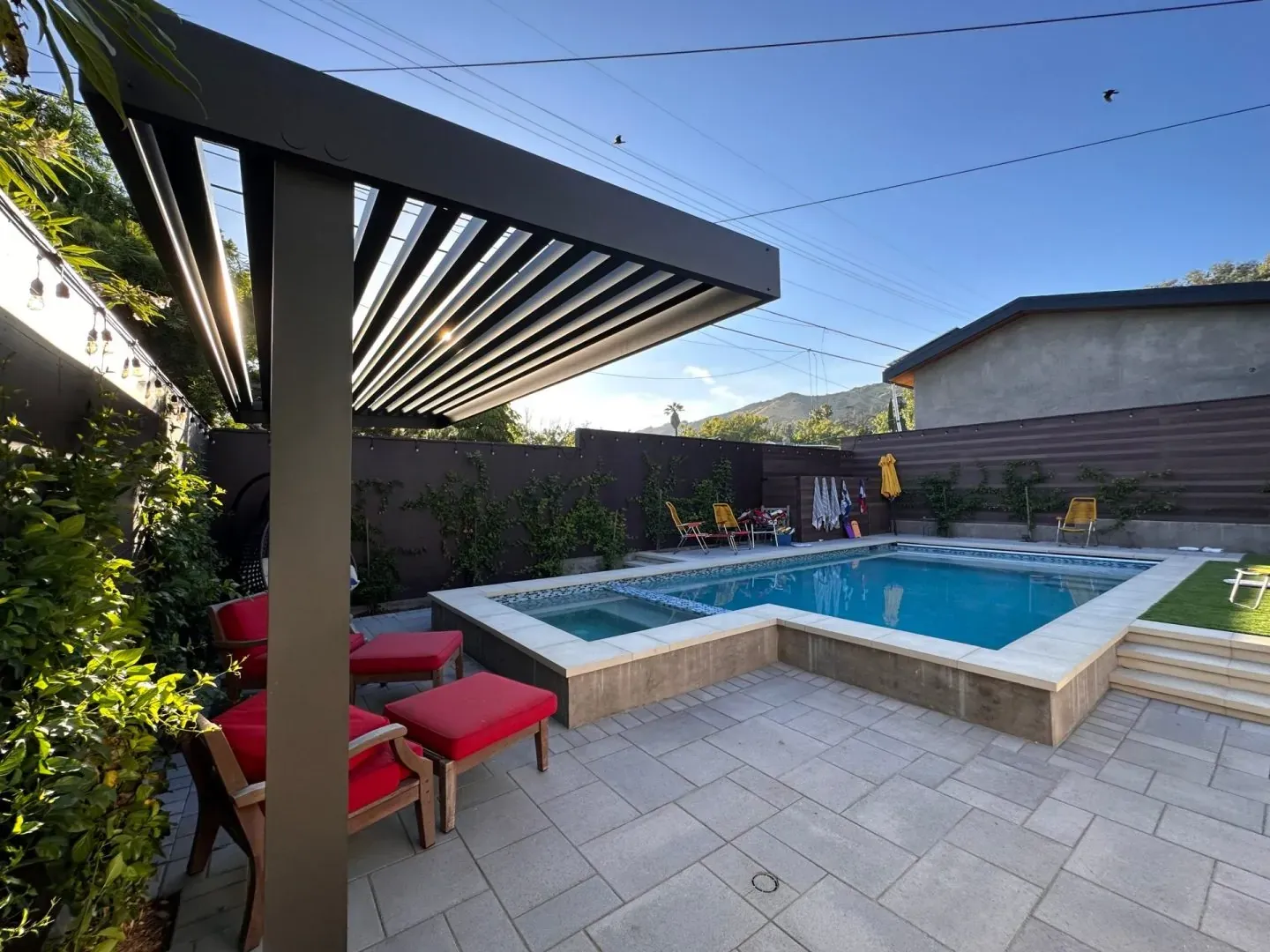
Dallas homeowners often want to spend more time outdoors, but intense summer heat and sudden storms can make an uncovered patio difficult to enjoy. A properly planned patio cover can provide shade, improve comfort, and offer protection from changing weather conditions. Patio cover installation Dallas TX requires more than selecting an attractive roof style because the structure must be designed around local conditions, the existing home, and the intended use of the space. Understanding these considerations can help homeowners make practical decisions before construction begins.
Why Dallas Weather Matters for Patio Covers
Texas heat places significant demands on outdoor living spaces. Long periods of direct sunlight can make patio surfaces extremely hot and reduce the amount of time people comfortably spend outside. A properly positioned patio cover blocks direct solar exposure and creates a shaded area for furniture, dining, cooking, and relaxation. The orientation, roof design, ceiling height, and surrounding landscaping can all influence how effectively the structure provides relief from the sun.
Dallas weather can also change quickly, with strong thunderstorms, heavy rainfall, gusty winds, and occasional severe weather creating additional considerations. A patio cover should therefore be designed as a structural element rather than treated simply as a decorative roof. Proper foundations, connections, framing, roofing materials, drainage, and construction methods all contribute to its performance. A qualified professional can evaluate the property and recommend an approach appropriate for the planned structure.
Choosing a Patio Cover That Provides Effective Shade
Different patio cover styles provide different levels of protection from sunlight and rain. Solid-roof structures generally offer more complete shade than open pergolas because they block direct sunlight across the covered area. Gable, hip, and single-slope designs can be selected according to the home's architecture and the available space. The best design should provide useful coverage without making the backyard feel dark, cramped, or disconnected from the house.
Roof color and material can also influence outdoor comfort. Some roofing systems are designed to reduce heat transfer, while insulated panels can provide additional separation between the hot exterior surface and the space underneath. Light-colored finishes may also reflect more solar radiation than darker surfaces. These decisions should be made alongside structural and aesthetic considerations rather than based on appearance alone.
Building for Heavy Rain and Storm Conditions
Rain protection is one of the major benefits of a properly constructed patio cover. A roof needs an appropriate slope so water can drain rather than collect in unwanted areas. Gutters and downspouts can help control where rainfall leaves the structure, while proper grading can direct water away from the home's foundation and frequently used areas. These details become especially important during periods of heavy rainfall.
Storm resistance also depends on how the structure is connected to the ground and, when applicable, the existing home. Posts, footings, beams, rafters, connectors, and roofing materials all need to work together as a complete system. A strong-looking structure can still perform poorly if connections or foundations are inadequate. Professional installation helps ensure that the design and construction account for the structural requirements of the specific property.
Understanding Dallas Building Requirements
Homeowners should determine applicable permit and code requirements before beginning patio construction. The City of Dallas states that residential construction must comply with adopted building and design codes, and its current construction framework includes the 2021 International Residential Code with Dallas amendments. Requirements can vary according to the size, location, attachment method, and characteristics of the proposed structure. Checking the current requirements for the specific property is therefore an important early step.
Not every patio cover has the same permitting requirements. Dallas information indicates that certain detached patio covers under 200 square feet on single-family or duplex properties may fall under a permit exemption, subject to stated conditions and exceptions. Larger or differently configured projects may require permits and inspections. Homeowners should verify the current rules rather than assuming an exemption applies to their particular project.
Combining Shade With Landscaping and Turf
A patio cover works best when it is integrated with the rest of the backyard. Trees, shrubs, planting beds, pathways, and lawn areas can soften the structure and create a more comfortable outdoor environment. Strategic landscaping can provide additional shade and privacy while helping the covered patio feel connected to the surrounding property. The location of plants should also account for mature size, irrigation, drainage, and the potential effect of roots on structures.
Homeowners considering synthetic lawn areas may also research turf installers Dallas TX when planning the surrounding landscape. Artificial turf can create a consistently finished surface around patios, entertainment areas, and other high-use portions of a yard. However, proper preparation and drainage remain important. The turf should be incorporated into the overall grading and landscape plan so that water can move away from the patio and structures rather than becoming trapped between different surfaces.
Designing for Comfortable Outdoor Living
A patio cover becomes more valuable when the space underneath it is designed around actual daily activities. Homeowners may want an outdoor dining table, lounge seating, grill, kitchen, television, fireplace, or children's activity area. The cover should be large enough to accommodate these features while leaving comfortable pathways for movement. Planning furniture and equipment dimensions before construction can prevent the finished space from feeling crowded.
Ventilation is another consideration in Dallas' warm climate. Ceiling fans can improve air circulation under a covered structure, while open sides can allow natural airflow. Lighting can make the space more useful after sunset, and electrical outlets can support outdoor appliances or entertainment equipment. These features are easier to integrate when they are included in the initial design rather than added after construction has already been completed.
Selecting Materials for Long-Term Performance
Exterior materials must withstand intense sunlight, moisture, temperature changes, and regular outdoor use. Wood can provide a warm and traditional appearance, but it generally requires periodic maintenance to protect its finish and performance. Aluminum and engineered materials can offer lower-maintenance alternatives, while roofing systems can be selected to complement the home's existing exterior. Material decisions should consider durability, maintenance, appearance, and total project cost.
The foundation and supporting structure deserve equal attention. Properly sized footings, posts, beams, and connections create the framework that supports the roof and transfers loads safely. Construction should follow the applicable design requirements for the location and project type. Cutting costs by overlooking structural details can create problems that are much more expensive to correct later.
Working With an Experienced Patio Professional
Choosing the right contractor can have a major impact on the quality and longevity of a patio cover. Homeowners should ask about previous projects, structural methods, materials, drainage solutions, permit responsibilities, construction timelines, and warranties. Reviewing completed projects can also help homeowners evaluate workmanship and determine whether the contractor has experience with structures similar to the one being planned.
A detailed proposal should clearly explain the scope of work and identify the materials and features included. It should also address potential site challenges such as difficult access, existing drainage issues, utility locations, or the need for additional foundation work. Comparing contractors based solely on the lowest estimate can be misleading when proposals contain different levels of preparation or materials. Clear communication before construction helps establish realistic expectations.
Creating a Patio That Performs Through Texas Weather
The purpose of patio cover installation Dallas TX is not simply to add a roof to an outdoor space. A successful project combines shade, rain protection, structural stability, drainage, ventilation, attractive design, and practical features. When these elements are planned together, homeowners can create a more comfortable outdoor environment that remains useful through hot summers and changing weather conditions.
From selecting the roof style to planning landscaping and drainage, every decision can influence the finished result. A properly designed patio cover can provide valuable shade while helping protect outdoor furniture and creating a dedicated area for dining and relaxation. By working with experienced professionals and addressing structural, drainage, and local code considerations from the beginning, Dallas homeowners can create an outdoor living space designed for comfort, durability, and long-term enjoyment.