How to Choose Reliable Solar System Installers in Southport
By Energy Solution Centre Chirn Park
46 Views
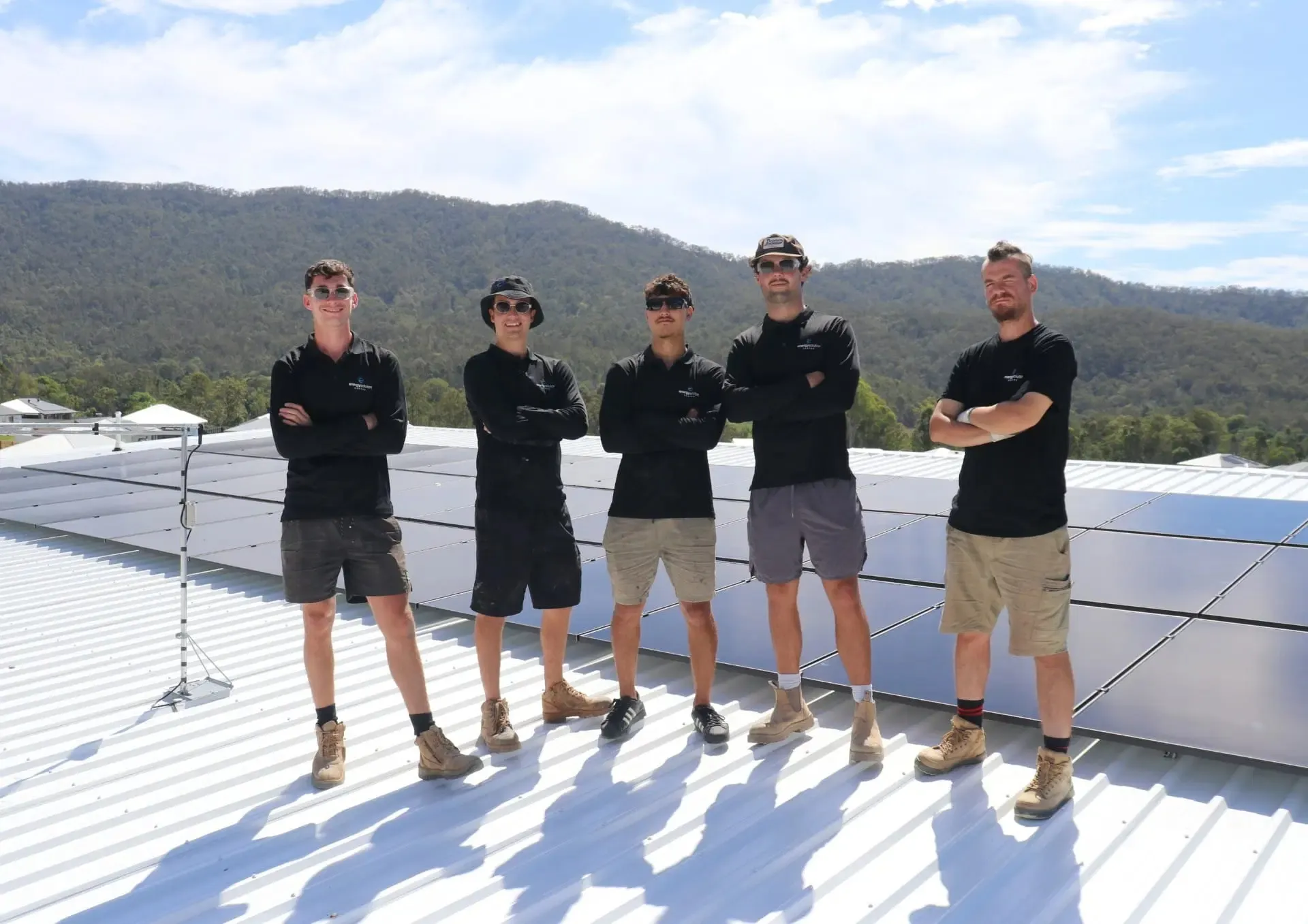
Switching to solar energy is becoming an increasingly popular choice for homeowners across Southport and the wider Gold Coast. With rising electricity expenses and growing interest in renewable energy, investing in a quality solar system can help households reduce their reliance on grid electricity and manage long-term energy costs. However, choosing reliable solar system installers is just as important as selecting the right solar panels.
A professionally installed solar system can provide dependable electricity generation for many years, while poor installation practices may lead to reduced performance, unexpected maintenance costs and safety concerns. With numerous solar providers operating throughout Queensland, understanding what separates experienced professionals from less reliable operators is essential.
Whether you're installing solar panels for the first time or upgrading an existing system, this guide explains how to evaluate solar companies, compare installation quotes and select a suitable provider for your Southport property.
Why Choosing Reliable Solar System Installers Matters
Installing solar panels is a significant home improvement project that requires careful planning, technical expertise and compliance with Australian electrical safety standards.
Professional solar system installers do more than attach panels to a roof. They assess your property's energy requirements, design an appropriate system, select compatible equipment and ensure the installation meets relevant regulations.
An experienced installation team can also identify potential challenges before work begins, such as roof shading, structural limitations or outdated electrical infrastructure.
Choosing a reliable provider offers several important benefits:
- Improved system performance: Correct panel positioning and system design help maximise electricity generation.
- Electrical safety: Qualified professionals follow applicable electrical installation requirements.
- Long-term reliability: Appropriate equipment selection and installation practices reduce avoidable faults.
- Warranty protection: Proper documentation and installation can support future warranty claims.
- Ongoing assistance: Established providers can help with system monitoring, maintenance enquiries and troubleshooting.
A dependable solar installation should be viewed as a long-term investment rather than a short-term purchase based solely on price.
1. Check Installer Accreditation and Electrical Licensing
One of the first steps in choosing a solar provider is verifying professional qualifications and relevant accreditations.
Solar installations involve electrical connections, rooftop equipment and potentially significant electrical loads. These tasks require appropriately qualified professionals who understand Australian regulations and installation standards.
Understand Australian Solar Accreditation Requirements
In Australia, the Solar Accreditation Australia (SAA) scheme provides accreditation for eligible solar and battery designers and installers.
Homeowners should confirm that the professionals responsible for their installation hold the necessary current accreditation and electrical licences.
The Solar Accreditation Australia website provides information about the accreditation framework.
It's also important to distinguish between business-level retailer credentials and individual installer accreditation. They serve different purposes and should not be treated as interchangeable.
When comparing solar system installers, ask for relevant credentials and confirm who will perform the installation.
Why Electrical Licensing Is Important
Solar panel installation must comply with applicable electrical safety laws and technical requirements.
Queensland homeowners should ensure that electrical work is carried out by appropriately licensed professionals.
A trustworthy provider should be willing to explain its licensing arrangements, installation procedures and approach to electrical safety.
2. Look for Local Experience in Southport and the Gold Coast
Local knowledge can be valuable when designing solar systems for homes in Southport.
The Gold Coast's coastal environment, seasonal weather conditions and variety of residential property styles can influence solar installation requirements.
Experienced local providers may be familiar with common roofing materials, shading conditions and electricity network connection procedures.
Benefits of Choosing Local Solar Specialists
Working with local solar system installers may offer advantages such as easier communication, convenient property inspections and accessible after-sales assistance.
Local experience can also help when assessing environmental considerations, including salt exposure in coastal locations, strong winds and roof mounting requirements.
For example, a home near the coast may require careful consideration of corrosion resistance and the suitability of mounting components.
A professional installer should assess these factors rather than recommending the same system for every property.
Consider Providers That Offer Personalised Solutions
Energy Solution Centre Chirn Park, located at Shop 3/36 Musgrave Avenue, Southport QLD 4215, provides residential solar, commercial solar, battery storage, EV charging and off-grid energy solutions.
The company describes its approach as focusing on each customer's property, electricity consumption and energy goals before recommending a suitable system.
Homeowners comparing local providers can consider this type of personalised assessment when deciding which company best meets their requirements.
3. Compare Detailed Solar Installation Quotes
Price is naturally an important consideration when investing in residential solar energy. However, the lowest quotation does not always represent the best overall value.
Different solar companies may recommend equipment with varying efficiency ratings, warranty conditions and expected service lives.
When comparing solar system installers, request detailed written quotations that clearly explain what is included.
What Should a Solar Quote Include?
A comprehensive quotation should identify:
- Solar panel manufacturer, model and total capacity.
- Inverter brand, model and technical specifications.
- Mounting equipment and installation materials.
- Labour, electrical work and connection arrangements.
- Applicable solar incentives and discounts.
- Product and workmanship warranty details.
- Estimated annual electricity generation.
- Additional charges, exclusions and payment conditions.
Without these details, comparing quotations fairly can be difficult.
For example, one installer may offer a cheaper system using entry-level components, while another may recommend more durable equipment with longer warranty coverage.
Both options may be suitable for different budgets, but homeowners should understand the differences before making a decision.
Avoid Choosing Based on Price Alone
A solar system should ideally operate for many years, making long-term performance an important consideration.
Pay attention to the quality of equipment, installation workmanship and availability of ongoing support.
A slightly higher initial investment may provide better overall value if the system performs reliably and requires fewer unexpected repairs.
4. Assess Solar Panel and Inverter Quality
Solar panels and inverters are essential components of a residential solar system.
Solar panels convert sunlight into direct-current electricity, while inverters convert that electricity into alternating current suitable for household use.
The quality and compatibility of these components can significantly influence overall system performance.
Choosing Suitable Solar Panels
When evaluating solar panels, consider their efficiency, manufacturer reputation, performance warranty and product warranty.
Efficiency indicates how effectively a panel converts available sunlight into electricity under standard testing conditions.
Higher-efficiency panels can be particularly useful for homes with limited roof space, although they may cost more.
A reliable installer should explain whether premium panels offer meaningful benefits for your particular property.
Understanding Inverter Options
Common inverter technologies include string inverters, microinverters and systems using power optimisers.
Each option has advantages depending on roof orientation, shading conditions and system design.
For example, microinverters or power optimisers may be worth considering for some roofs with complex shading patterns.
However, they are not automatically necessary for every installation.
Experienced solar system installers should recommend equipment based on technical suitability rather than simply promoting the most expensive products.
5. Choose the Right Solar System Size for Your Household
Selecting the correct solar system capacity is one of the most important parts of the installation process.
A system that is too small may not offset enough electricity consumption, while an unnecessarily large system may increase upfront costs without delivering proportional financial returns.
The right size depends on your household's electricity usage, roof space, budget and future energy plans.
Common Residential Solar System Sizes
System capacity
General suitability
3–4 kW
Smaller households with lower electricity consumption
5–6.6 kW
Many average-sized Australian households
8–10 kW
Larger households with greater electricity demand
Above 10 kW
High-consumption properties, subject to network and site requirements
These are general examples only. A qualified solar designer should assess actual electricity consumption, roof conditions and network limitations before recommending a specific capacity.
Consider Future Energy Requirements
Your household's electricity consumption may increase over time.
For example, you might plan to purchase an electric vehicle, install a home battery or switch from gas appliances to electric alternatives.
Discussing these possibilities with your installer can help you choose a system that accommodates future changes.
A well-planned installation may reduce the need for costly modifications later.
6. Read Customer Reviews and Check Previous Work
Customer reviews can provide valuable insights into a company's reliability, communication and installation standards.
Before hiring solar system installers in Southport, review feedback from homeowners who have already used their services.
Google Business Profiles, independent review platforms and customer testimonials can help you understand how a company operates.
What to Look for in Customer Feedback
Rather than focusing exclusively on star ratings, pay attention to detailed comments about:
- Installation quality and professionalism.
- Communication before and after installation.
- Accuracy of initial quotations.
- Timeliness and project completion.
- Warranty support and problem resolution.
- Overall customer satisfaction.
A company with consistently detailed positive feedback may be worth considering, but reviews should be assessed alongside verified credentials and written service commitments.
Ask About Previous Installations
Reliable providers should be able to discuss their experience with similar residential projects.
You can ask about installations on comparable roof types or properties with similar energy requirements.
This helps establish whether the company has practical experience addressing challenges relevant to your home.
7. Understand Solar Rebates and Government Incentives
Government incentives can make residential solar installations more affordable for eligible Australian households.
The federal Small-scale Renewable Energy Scheme supports qualifying small-scale renewable energy systems through Small-scale Technology Certificates (STCs).
These certificates have a financial value and are commonly assigned to solar retailers or installers in exchange for an upfront discount.
How Solar Incentives Work
The value of STCs depends on several factors, including system capacity, geographical location, installation date and applicable scheme rules.
Incentive values can change over time, so it's important to confirm current arrangements before accepting a quotation.
The Australian Government's Clean Energy Regulator explains the Small-scale Renewable Energy Scheme and relevant eligibility requirements.
When comparing solar system installers, ask whether the quoted price includes applicable STC discounts.
Also confirm whether any Queensland-specific assistance programs are available and whether your household meets their eligibility criteria.
Understanding these incentives helps you compare the actual out-of-pocket cost of different solar installation proposals.
8. Evaluate Warranty Coverage and After-Sales Support
Solar panels are designed for long-term operation, but even well-installed systems may occasionally require maintenance or technical assistance.
Before choosing an installer, understand the warranties provided for solar panels, inverters and installation workmanship.
Different warranty types protect against different issues, so reviewing the details is essential.
Understand the Main Solar Warranties
Most residential solar installations involve several types of warranty coverage.
Product warranties generally cover eligible manufacturing defects in solar panels or other equipment.
Performance warranties describe the manufacturer's guaranteed minimum panel output over a specified period, subject to the warranty terms.
Workmanship warranties address qualifying problems associated with installation work.
Ask who handles warranty claims, whether labour and transport costs are included, and what happens if equipment requires replacement.
Why Ongoing Support Matters
A reliable solar company should explain how customers can report faults, access monitoring information and obtain assistance after installation.
This is particularly important for homeowners unfamiliar with solar technology.
When comparing solar system installers, prioritise businesses that clearly explain their after-sales responsibilities.
9. Consider Solar Batteries and EV Charging Compatibility
Residential solar technology continues to evolve, with battery storage and electric vehicle charging becoming important considerations for many Australian homeowners.
Even if you're not ready to invest in these technologies immediately, discussing future compatibility during the initial installation can be beneficial.
Solar Battery Storage
Home batteries store some of the electricity generated by solar panels for later use.
This can help households increase solar self-consumption during evenings or other periods when panels are producing little electricity.
However, battery storage involves additional upfront costs, and financial benefits depend on electricity tariffs, household usage and battery performance.
Ask your installer to explain the potential benefits and estimated payback period before committing.
Electric Vehicle Charging
If you're considering purchasing an electric vehicle, solar-compatible charging equipment may help you use more of your own solar-generated electricity.
A suitable system design can make future EV charging integration easier.
Providers offering solar panels, battery storage and EV charging solutions may be able to help homeowners plan these technologies together.
10. Ask Important Questions Before Signing a Contract
Before accepting a solar installation proposal, take time to clarify the technical, financial and practical details.
Professional solar system installers should provide understandable answers and avoid pressuring customers into immediate decisions.
Consider asking the following questions:
- Are the designers and installers appropriately accredited and licensed?
- Which solar panel and inverter models are included?
- How was the recommended system capacity calculated?
- What is the estimated annual electricity generation?
- Does the quotation include all installation and connection costs?
- What product and workmanship warranties apply?
- Who will handle maintenance enquiries and warranty claims?
- Are government incentives already included in the quoted price?
- Can the system accommodate future battery storage or EV charging?
- What documentation will I receive after installation?
Clear answers can help you assess whether a provider understands your requirements and is committed to transparent service.
11. Understand the Solar Installation Process
Knowing what happens during installation can make the experience easier and help you recognise a well-organised provider.
Although individual projects vary, residential solar installations generally follow several stages.
Initial Consultation and Property Assessment
The installer reviews your electricity consumption, roof conditions, budget and energy goals.
A site assessment may identify shading, roof accessibility, switchboard limitations or other factors affecting installation.
System Design and Quotation
The provider recommends a suitable system configuration and prepares a written quotation.
This should include equipment specifications, estimated generation, relevant incentives and installation costs.
Installation and Electrical Connection
Qualified professionals install the mounting equipment, panels, inverter and necessary electrical components.
Applicable network approvals, electrical testing and documentation must be completed before the system is placed into operation.
System Handover and Monitoring
After commissioning, homeowners should receive relevant documentation and instructions for operating and monitoring their system.
A reliable provider should explain how to identify potential faults and where to obtain support.
12. Why Personalised Solar Solutions Matter in Southport
Every home has different electricity requirements, roof characteristics and financial priorities.
A system suitable for a small household may not be appropriate for a larger family with high daytime electricity consumption.
Similarly, homes with complex roof layouts or significant shading may require different equipment configurations.
This is why personalised system design is an important consideration when selecting solar system installers.
Rather than offering identical packages to every customer, experienced providers should assess individual circumstances and recommend appropriate solutions.
Energy Solution Centre Chirn Park, based in Southport, offers solar energy services covering residential installations, commercial solar, battery storage, EV charging and off-grid solutions.
The business states that its recommendations are based on property requirements, energy consumption and customer goals.
Homeowners interested in learning more can explore the Energy Solution Centre Chirn Park website and compare its offerings with other qualified solar providers in the Gold Coast region.
Frequently Asked Questions
1. How do I find reliable solar system installers in Southport?
Start by researching local solar companies, checking relevant accreditation and electrical licensing, and reading customer reviews. Request detailed quotations from multiple providers and compare equipment quality, warranties, installation experience and after-sales support. Reliable solar system installers should offer transparent pricing and recommendations tailored to your property.
2. How much do solar system installers charge in Southport?
Installation costs vary depending on system capacity, equipment selection, roof complexity and electrical requirements. Government incentives may also affect the final price. Requesting several property-specific quotations is the most practical way to understand current installation costs.
3. Why should I hire accredited solar system installers?
Appropriately accredited and licensed professionals have demonstrated relevant technical competencies and are expected to follow applicable installation requirements. Using qualified installers can support electrical safety, system performance and eligibility for certain government incentives.
4. Can solar system installers help reduce my electricity bills?
Yes. A properly designed solar system can reduce the amount of electricity your household purchases from the grid. However, savings depend on electricity consumption, solar generation, self-consumption, feed-in tariffs and other factors. A reliable installer should provide realistic estimates rather than guaranteed savings claims.
5. Do solar system installers provide battery storage and EV charging solutions?
Some solar companies offer integrated services that include solar panels, battery storage and electric vehicle charging equipment. If you're planning future upgrades, ask whether the proposed system can accommodate these technologies and what additional equipment may be required.
Final Thoughts
Choosing reliable solar system installers in Southport is an important step towards making a successful investment in residential solar energy.
While installation costs deserve careful consideration, homeowners should also evaluate professional credentials, equipment quality, system design, warranty coverage and ongoing customer support.
A well-designed solar system should reflect your property's characteristics, electricity consumption and future energy requirements.
For homeowners exploring renewable energy options in Southport and the wider Gold Coast, Energy Solution Centre Chirn Park is one local provider to consider when comparing solar installation services.
By researching your options, requesting detailed quotations and asking the right questions, you can choose a solar solution that offers dependable performance, practical financial benefits and long-term value.