How To Clean a Sauna and Keep It Fresh for Years
By Chinook Hot Tubs & Saunas
7 Views
Understanding Why Regular Sauna Cleaning Matters
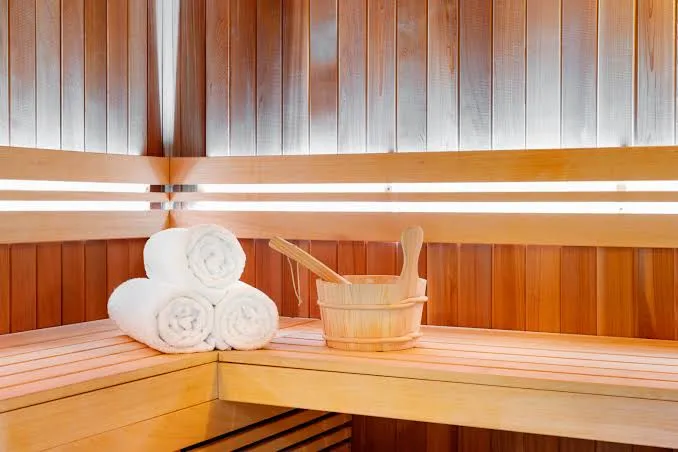
A sauna provides a relaxing environment where people can unwind, enjoy warmth, and establish a consistent wellness routine, but keeping it clean is essential for maintaining comfort and hygiene. Sweat, body oils, moisture, and dust can gradually accumulate on wooden benches, floors, walls, and other surfaces, particularly when the sauna is used frequently. Without proper care, these residues may create unpleasant odors, discoloration, and conditions that encourage mold growth in damp areas. Learning How To Clean a Sauna properly helps homeowners protect the wood, maintain a pleasant atmosphere, and prevent small maintenance problems from becoming expensive repairs. A consistent cleaning routine also makes every sauna session more enjoyable because the space feels fresh, organized, and ready to use.
Preparing Your Sauna Before Cleaning
Before beginning the cleaning process, turn off the sauna heater and allow the interior to cool completely. Remove towels, headrests, buckets, ladles, thermometers, and any other removable accessories so you can reach the surfaces underneath them. Open the door and, if available, use the ventilation system to help release trapped moisture and odors. Preparation is an important part of How To Clean a Sauna because it allows you to inspect the interior carefully and identify areas that require additional attention. Look for visible stains, loose wood splinters, damaged bench sections, or damp patches that may indicate a ventilation problem. Having a soft cloth, a gentle brush, clean water, and a wood-safe cleaning solution ready before you begin will make the process easier and help prevent unnecessary moisture from spreading throughout the sauna.
Choosing Safe Cleaning Supplies for Sauna Wood
The materials used inside a sauna require careful treatment because high temperatures can affect how cleaning products behave and how their residues smell. A soft cloth, a nonabrasive sponge, and a gentle brush are generally suitable for routine cleaning, while a mild cleaner specifically approved for sauna wood may help remove stubborn residue. Avoid harsh chemicals, abrasive powders, strongly scented products, and cleaners that leave a sticky film on wooden surfaces. These products can damage the finish, leave unwanted odors, or make benches uncomfortable when exposed to heat. Always read the manufacturer's instructions before applying any cleaner, and test an unfamiliar product on a small, inconspicuous area first. Using appropriate supplies protects the natural appearance of the wood and reduces the risk of introducing irritating residues into a warm, enclosed environment.
Removing Dust and Loose Debris First
Start by removing loose dirt, hair, dust, and small debris from benches, corners, floorboards, and the spaces around the heater. A soft brush or vacuum with a suitable attachment can help reach narrow gaps where dust tends to accumulate. Pay particular attention to the underside of benches and the edges where walls meet the floor, because these areas are often overlooked during quick cleaning sessions. Removing loose debris before using water prevents dirt from turning into muddy residue and spreading across the wood. Work from higher surfaces toward lower surfaces so that dust falling from the walls or upper benches can be collected during the final floor cleaning. This simple preparation makes the rest of the cleaning process more efficient and helps you achieve a more consistent result throughout the sauna.
Cleaning Wooden Benches Without Causing Damage
Sauna benches experience regular contact with skin, sweat, and body oils, making them one of the most important surfaces to maintain. Wipe the benches using a lightly damp cloth and a gentle cleaner approved for the type of wood in your sauna. Avoid soaking the boards, because excessive water can penetrate joints, increase drying time, and contribute to swelling or deterioration. For areas with visible buildup, use a soft brush and clean gently along the direction of the wood grain rather than scrubbing aggressively across it. Rinse away any cleaner according to the product instructions, using only the amount of water necessary, and remove remaining moisture with a clean cloth. Allow the benches to dry thoroughly before the next session, and consider using washable sauna towels to reduce direct contact between skin and the wood.
Washing Sauna Walls Carefully
The wooden walls inside a sauna can collect dust, hand marks, and moisture over time, especially around the entrance and seating areas. Inspect the walls before cleaning so you can identify areas that need extra attention without treating the entire surface unnecessarily. Use a soft cloth lightly dampened with clean water or a suitable wood-safe cleaner, and work in small sections to maintain control over the amount of moisture applied. Never pour water directly onto the walls or use a pressure washer inside a wooden sauna, as excessive water can damage joints and encourage moisture problems. If a stain remains after gentle cleaning, follow the wood or sauna manufacturer's guidance before trying a stronger treatment. Regular, careful attention helps preserve the natural wood color and keeps the interior looking well maintained without unnecessary wear.
Keeping the Sauna Floor Clean and Dry
The floor collects dust, loose hair, perspiration, and water that may drip from users or accessories, so it should be included in every regular cleaning routine. Remove any removable floor mats or wooden duckboards and clean them separately according to the manufacturer's recommendations. Sweep or vacuum the exposed floor before wiping it with an appropriate cleaning method. If the floor is wooden, avoid leaving standing water between boards or along the edges, and dry any remaining moisture promptly. Tile or other nonporous flooring may tolerate different cleaning products, but you should still follow the installation and maintenance instructions for that material. Inspect corners and drainage areas for trapped debris, because blocked drainage can allow water to remain in place longer than expected. A clean, dry floor also reduces the risk of slipping when entering or leaving the sauna.
Cleaning Sauna Accessories and Removable Items
Accessories such as buckets, ladles, headrests, thermometers, and removable seat supports also need routine attention. Empty water containers after use instead of leaving water standing inside them for extended periods, and rinse them with clean water before allowing them to dry completely. Follow the manufacturer's recommendations for wooden, plastic, metal, or composite accessories, since each material may require a different cleaning method. Soft fabric items should be washed according to their care labels and dried thoroughly before being returned to the sauna. Check removable headrests and cushions for discoloration, unusual odors, or signs of deterioration that may indicate they need deeper cleaning or replacement. Keeping these smaller items clean prevents dirt and moisture from being transferred back onto freshly cleaned benches and helps maintain a comfortable environment throughout the sauna.
Managing Sweat Marks and Stubborn Stains
Sweat marks can become more noticeable on frequently used benches, particularly when users sit directly on the wood without a towel. Begin by cleaning the affected area with a damp cloth and an approved mild cleaner, then gently brush along the grain if the manufacturer's instructions permit it. Avoid using metal scrapers, rough scouring pads, or aggressive sanding methods because they can leave scratches and uneven patches. If the stain has penetrated the wood, consult the sauna manufacturer's recommendations before attempting a deeper treatment. Some untreated wooden surfaces may require light sanding with an appropriate fine abrasive, but this should only be done when the manufacturer confirms that it is suitable. After treating a stain, remove all dust and allow the area to dry completely before using the sauna again. Preventing future marks with clean towels is usually easier than repeatedly treating established discoloration.
Preventing Mold and Persistent Musty Odors
Persistent dampness is one of the main conditions that can contribute to mold growth and unpleasant smells in a sauna. After each session, leave the door open when appropriate, use the available ventilation system, and allow the interior to dry according to the manufacturer's instructions. Remove wet towels and accessories instead of leaving them inside the warm room, and check corners, floor edges, and areas beneath benches for moisture that does not disappear normally. If you notice a musty odor, visible mold, or recurring damp patches, investigate the source rather than simply covering the smell with a fragrance. A ventilation issue, water leak, or damaged wood may require professional attention. Do not apply bleach or ordinary household mold treatments to sauna wood unless the manufacturer specifically approves the product for that purpose and explains how to use it safely.
Cleaning Around the Sauna Heater Safely
The heater area requires special care because it combines high temperatures, electrical components in many models, and sauna stones that may become extremely hot. Switch the heater off and allow it to cool completely before removing loose dust or cleaning nearby surfaces. Never spray cleaning products, pour cleaning liquids, or allow excess water to enter electrical components, controls, or connections. Follow the heater manufacturer's instructions for cleaning the exterior housing and inspecting the surrounding floor area. If your heater uses stones, check the recommended maintenance schedule because stones may need periodic inspection, repositioning, or replacement depending on their condition and the model. Do not remove or handle hot stones, and never attempt electrical repairs without appropriate qualifications. Keeping the surrounding area free of debris helps support safe operation while protecting components from inappropriate cleaning methods.
Maintaining Sauna Glass Doors and Windows
Glass doors and windows can develop fingerprints, water marks, and condensation residue that make the sauna look less clean even when the wooden interior is well maintained. Once the glass has cooled, wipe it with a soft microfiber cloth and a cleaner approved for the glass and surrounding materials. Apply the product to the cloth rather than spraying it near wooden frames, seals, or heater components. Avoid abrasive tools that could scratch the surface, and dry the glass with a clean cloth to reduce streaking. Inspect hinges, handles, seals, and frame connections for loose fittings or signs of deterioration while cleaning. If the sauna has a specialized coating on its glass, use only the cleaning products recommended by the manufacturer. Careful maintenance preserves visibility, improves the overall appearance of the sauna, and reduces the likelihood of damaging nearby wood or seals.
Improving Ventilation After Every Sauna Session
Ventilation is essential for helping a sauna release moisture and maintain a comfortable interior between uses. After a session, remove wet accessories, wipe away visible water, and allow air to circulate through the room according to the sauna's operating instructions. If your sauna has adjustable vents or a mechanical ventilation system, use it as recommended rather than blocking openings or changing the design without professional guidance. Good airflow can help wooden surfaces dry more evenly and reduce the likelihood of lingering odors. It is also worth checking that vents remain free of dust and that towels or stored accessories are not obstructing air movement. If the sauna consistently remains damp despite normal drying practices, review the ventilation setup with a qualified installer. Correct airflow supports everyday cleanliness and helps protect the wood over the long term.
Establishing a Simple Daily Cleaning Routine
A short cleaning routine after each session can prevent sweat, moisture, and debris from accumulating until a major cleaning becomes necessary. Wipe the benches where people sat, remove visible dirt from the floor, empty water containers, and take used towels outside the sauna. Leave the interior in a condition that allows it to dry properly, and check whether any surfaces remain unusually wet. These small actions usually require only a few minutes but can significantly reduce the effort needed during a deeper cleaning session. Households that use the sauna frequently may benefit from assigning responsibility for these tasks so that cleaning is performed consistently rather than only when the interior looks dirty. A regular routine also makes it easier to notice small changes in wood condition, ventilation, or odors before they develop into more complicated maintenance concerns.
Planning a Weekly Deep Cleaning Session
In addition to quick cleaning after use, schedule a more thorough session based on how frequently the sauna is used and the manufacturer's recommendations. Remove accessories, clean the benches and walls carefully, reach underneath seating areas, and inspect the floor for trapped debris or moisture. Wash removable mats and other items using their approved methods, and examine the wood for discoloration, splinters, loose fasteners, or areas that appear unusually damp. A lightly damp cloth and a suitable gentle cleaner are often sufficient for routine maintenance, but the right approach depends on the wood and sauna design. Avoid making every cleaning session unnecessarily intensive, since repeated aggressive scrubbing can wear down the surface. A planned weekly inspection helps maintain cleanliness while allowing you to identify repairs or changes in cleaning frequency that may be needed as usage increases.
Protecting Natural Wood From Excessive Moisture
Wood is a natural material that responds to changes in moisture and temperature, so cleaning methods should help it dry rather than keep it wet for extended periods. Use damp cleaning tools instead of saturated cloths, remove puddles promptly, and allow sufficient drying time before closing the sauna for a long period. Do not apply ordinary furniture polish, paint, varnish, or household wood sealants to interior surfaces unless the sauna manufacturer explicitly approves them for high-temperature use. Products that are unsuitable for sauna conditions may release unwanted odors, alter the surface, or become uncomfortable when the room heats up. If the wood becomes rough or develops persistent stains, consult the manufacturer's maintenance guidance before sanding or applying a treatment. Proper moisture management helps preserve the natural appearance of the timber and reduces avoidable damage caused by overly wet cleaning practices.
Avoiding Common Sauna Cleaning Mistakes
Some cleaning habits can cause more problems than the dirt they are intended to remove. Using excessive water may leave moisture trapped in joints, while harsh chemicals can damage wood or create unpleasant smells when the sauna is heated. Abrasive brushes can scratch surfaces, and cleaning the heater before it has cooled creates an unnecessary safety risk. Another common mistake is returning wet towels, headrests, or floor mats to the sauna immediately after washing them, which can slow drying and contribute to musty odors. It is also unwise to ignore persistent discoloration, loose boards, or recurring dampness simply because the sauna still appears usable. Read the care instructions for the complete sauna system, including its heater and accessories, and avoid relying on cleaning advice designed for unrelated materials. Gentle, consistent maintenance is generally more effective than occasional aggressive treatment.
Cleaning Infrared Saunas With Extra Care
Infrared saunas may contain heaters, electrical connections, control panels, and interior materials that require specific maintenance procedures. Before cleaning, switch the unit off, disconnect the power if the manufacturer's instructions require it, and allow all components to cool. Use a soft cloth to wipe the interior surfaces, taking care not to saturate the wood or allow liquids to reach electrical parts. Never spray cleaner directly onto infrared panels, control displays, wiring, or connectors. Follow the manufacturer's guidance for cleaning heater surfaces because some materials can be damaged by inappropriate chemicals or excessive pressure. Check the door, ventilation openings, and seating area for dirt or moisture, and make sure the cabin is completely dry before restarting it. Since infrared sauna designs vary considerably, the owner's manual should always take priority over generic cleaning recommendations.
Maintaining Portable and Outdoor Sauna Models
Portable and outdoor saunas may be exposed to additional dust, pollen, changing temperatures, and environmental moisture, which can influence their cleaning needs. For portable models, follow the manufacturer's instructions for removing covers, folding components, or storing the unit between uses, and ensure all materials are fully dry before packing them away. Outdoor sauna owners should inspect the exterior, roof, door seals, drainage, and surrounding ground for signs of water entering the structure. Keep leaves and debris away from entrances and ventilation openings, and check that rainwater drains away from the base instead of collecting near the walls. Do not use a pressure washer or apply exterior treatments without confirming that they are suitable for the sauna's materials. Regularly inspecting both the inside and outside helps identify environmental problems before they affect the interior wood or the heater system.
Knowing When Professional Maintenance Is Necessary
Routine cleaning can handle ordinary dust, sweat marks, and minor residue, but some problems require more than household maintenance. Persistent mold, a strong musty smell that returns quickly, recurring water leaks, damaged electrical components, or deteriorating wood should be assessed carefully. Stop using the sauna if you suspect an electrical fault, unsafe heater operation, or a structural problem that could create a risk. Contact a qualified technician or the sauna manufacturer for advice on repairs, specialized cleaning, and replacement parts. Avoid attempting to dismantle heaters or modify ventilation systems without the necessary knowledge and authorization. Professional attention can help determine whether a problem comes from cleaning practices, inadequate airflow, damaged materials, or a component that needs repair. Addressing the underlying cause is more effective than repeatedly cleaning the same area without resolving what is creating the problem.
Creating a Cleaning Schedule That Fits Your Usage
The ideal cleaning schedule depends on how often the sauna is used, how many people share it, and the type of materials installed inside. A household using the sauna several times each week may need to wipe the benches and floor after every session and complete a more thorough cleaning weekly. A sauna used occasionally may require less frequent deep cleaning, although moisture should still be removed and the room allowed to dry after every use. Keep a simple checklist of routine tasks, including cleaning the benches, checking the floor, washing accessories, inspecting ventilation, and reviewing the heater's maintenance instructions. Adjust the schedule when usage increases or when you notice sweat buildup, persistent odors, or slower drying. A realistic plan is easier to follow consistently and can prevent cleaning from becoming a time-consuming task that is repeatedly postponed.
Keeping Your Sauna Comfortable Between Uses
A clean sauna should be allowed to dry fully and remain free from unnecessary clutter between sessions. Store towels and personal items outside the heated room, keep removable accessories clean, and avoid leaving containers filled with water on the benches or floor. Periodically inspect the interior for dust, loose debris, surface changes, and signs that moisture is collecting in unexpected places. If you use the sauna seasonally, follow the manufacturer's instructions for preparing it for periods of limited use, including any recommended steps for the heater, ventilation, and water-related accessories. Do not close up a damp sauna for extended periods, because trapped moisture may contribute to odors and material deterioration. Small habits between sessions help preserve the results of cleaning and make the space easier to prepare whenever you want to enjoy another sauna session.
Making Sauna Hygiene Part of Your Wellness Routine
Maintaining a sauna is easier when cleaning is treated as a normal part of using the space rather than a separate task that happens only when visible dirt appears. Showering before a session, sitting on a clean towel, wearing clean clothing when appropriate, and removing wet items afterward can all reduce the amount of residue left behind. Encourage everyone who uses the sauna to follow the same simple practices so that the room stays comfortable for the next person. Choose gentle cleaning methods that suit the installed materials, and avoid applying products that have not been approved for sauna conditions. If multiple people use the sauna daily, consider keeping clean towels and a small set of suitable cleaning supplies nearby. Consistent habits protect the interior and help create a pleasant environment without requiring unnecessary chemicals or excessive scrubbing.
Final Thoughts on Long-Term Sauna Care
A well-maintained sauna depends on a combination of gentle cleaning, effective ventilation, careful moisture management, and timely attention to small maintenance issues. Removing sweat and dust regularly, using suitable products, allowing surfaces to dry completely, and following the manufacturer's instructions can help preserve the wood and keep the interior comfortable. Avoid shortcuts such as soaking benches, using harsh chemicals, or cleaning hot equipment, because these practices may damage materials or create safety concerns. Build a schedule that matches your sauna's usage and inspect the room often enough to recognize changes before they become serious problems. For homeowners looking for reliable ways to maintain their sauna and enjoy their home wellness space for years, Chinook Hot Tubs and Saunas encourages consistent care, appropriate cleaning methods, and attention to the specific needs of each sauna model.