How UK Universities Detect AI-Generated Content in 2026: What Every Student Needs to Know
By melica john
159 Views
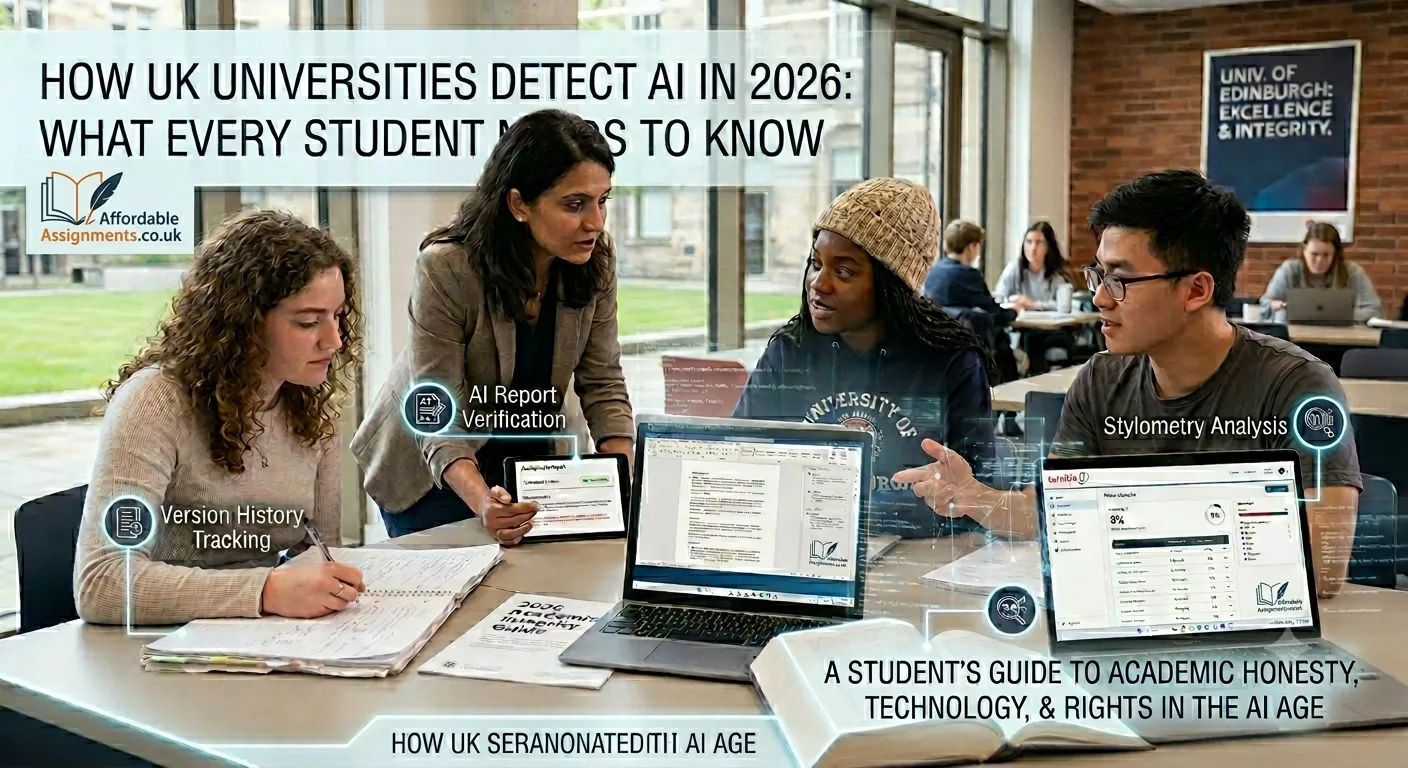
How UK Universities Detect AI-Generated Content in 2026: What Every Student Needs to Know
Artificial intelligence has transformed education in ways few people imagined just a few years ago. From brainstorming ideas to generating complete essays, AI writing tools have become increasingly popular among students. However, universities across the UK have also adapted quickly. In 2026, institutions are using advanced methods to identify AI-generated work and protect academic integrity.
If you're studying at a UK university, understanding how AI detection works is essential. Whether you complete assignments independently or seek support through UK Assignment Services, knowing the risks and expectations can help you avoid serious academic consequences.
Why UK Universities Are Taking AI Detection Seriously
The rise of AI writing tools has created new challenges for higher education. Universities want to ensure that students demonstrate genuine understanding, critical thinking, and subject knowledge. When assignments are generated primarily by AI, it becomes difficult for lecturers to assess a student's actual abilities.
As a result, universities have invested heavily in detection technologies, revised academic policies, and introduced new assessment methods. Many institutions now treat undisclosed AI-generated submissions similarly to plagiarism or academic misconduct.
The focus is not on banning technology altogether. Instead, universities encourage responsible use of AI while ensuring that submitted work reflects the student's own effort and understanding.
How Universities Detect AI-Generated Content in 2026
Advanced AI Detection Software
One of the most common methods is the use of sophisticated AI detection platforms. These systems analyze writing patterns, sentence structures, vocabulary choices, and linguistic consistency.
Unlike earlier detection tools that often produced inaccurate results, modern systems use machine learning models trained on billions of text samples. They can identify characteristics frequently associated with AI-generated writing, such as:
- Repetitive sentence patterns
- Overly predictable language
- Lack of personal insight
- Unnatural transitions between ideas
- Generic explanations without critical analysis
Many UK universities combine multiple detection tools to improve accuracy rather than relying on a single platform.
Writing Style Analysis
Universities increasingly compare submitted assignments with a student's previous work. This process is known as authorship analysis.
For example, if a student who typically writes simple, concise paragraphs suddenly submits highly sophisticated academic content with a completely different writing style, it may trigger further investigation.
Academic staff often review:
- Vocabulary usage
- Sentence complexity
- Grammar patterns
- Referencing habits
- Critical thinking approach
This method is particularly effective because it focuses on the student's individual writing profile rather than relying solely on AI detection software.
Oral Assessments and Viva Examinations
Many UK institutions now conduct follow-up discussions when they suspect AI involvement.
A lecturer may ask students to explain:
- Key arguments in the assignment
- Research methodology
- Sources used
- Conclusions reached
Students who genuinely wrote their work can usually discuss it confidently. Those who relied heavily on AI-generated content often struggle to explain the reasoning behind specific sections.
This approach has become one of the most reliable ways to verify authorship.
Metadata and Document Analysis
Universities are also examining digital footprints left during the writing process.
Modern learning management systems can track:
- Draft submissions
- Editing history
- Time spent writing
- Document revisions
- Research activity
If a 3,000-word essay appears suddenly without any drafting process or evidence of development, it may raise questions.
Some institutions even encourage students to submit outlines, research notes, and multiple drafts to demonstrate authentic work progression.
New Assessment Methods Reducing AI Dependence
To combat excessive AI use, universities have redesigned assessments.
Common alternatives now include:
In-Class Assignments
Students complete work under supervised conditions, making AI assistance impossible.
Reflective Writing
Students explain their learning journey, challenges faced, and personal reflections. These assignments are harder for AI tools to generate authentically.
Project-Based Assessments
Long-term projects require continuous engagement, progress updates, and practical application of knowledge.
Group Presentations
Oral communication and collaboration are becoming increasingly important components of assessment.
These changes help universities evaluate genuine understanding rather than simply assessing written output.
Can AI Detectors Make Mistakes?
Yes. Despite significant improvements, AI detection tools are not perfect.
False positives can occur when human-written content is incorrectly flagged as AI-generated. This is particularly common among:
- Non-native English speakers
- Students using formal academic language
- Highly structured essays
- Technical or scientific writing
For this reason, most UK universities do not rely solely on AI detection scores. Instead, they use multiple forms of evidence before making academic misconduct decisions.
Academic staff typically review flagged assignments manually before taking any action.
Best Practices for Students Using AI Responsibly
AI can still be a valuable learning tool when used ethically.
Students can use AI for:
- Brainstorming ideas
- Understanding difficult concepts
- Creating study plans
- Improving grammar
- Generating research questions
However, assignments should always reflect original thinking and personal understanding.
When seeking assignment help in UK institutions, students should focus on learning support, guidance, and tutoring rather than submitting AI-generated content as their own work.
Responsible use of technology helps students develop skills while remaining compliant with university policies.
The Role of Professional Academic Support
Many students face challenges such as tight deadlines, language barriers, and complex coursework. This is why academic support services continue to grow across the UK.
Reliable UK Assignment Services can provide guidance, research assistance, and educational support that helps students understand assignment requirements more effectively.
Similarly, students searching for uk assignment support should prioritize services that encourage learning and academic development rather than offering shortcuts that could jeopardize their academic standing.
The goal should always be to improve understanding and enhance academic performance through ethical support methods.
Affordable Assignment Support vs Academic Integrity
Students often search online for affordable assignment assistance when managing multiple deadlines. While finding affordable assignment support can help reduce academic pressure, it is important to choose providers that promote ethical learning practices.
Universities are becoming increasingly skilled at identifying work that does not reflect a student's genuine abilities. Therefore, any support received should contribute to learning, research skills, and academic growth rather than replacing independent effort.
Maintaining academic integrity remains the safest and most effective strategy for long-term success.
Conclusion
The way UK universities detect AI-generated content has evolved significantly in 2026. Through advanced detection software, authorship analysis, oral assessments, metadata reviews, and redesigned coursework, institutions are better equipped than ever to identify non-authentic submissions.
Students should view AI as a learning aid rather than a replacement for critical thinking and original work. Whether using educational technology, seeking guidance from UK Assignment Services, or looking for affordable assignment support, maintaining academic honesty is essential.
As AI continues to reshape education, the students who succeed will be those who use technology responsibly while demonstrating genuine knowledge, creativity, and independent thinking.