Industrial Safety Course in Kolkata: Learn Job-Ready Safety Skills
By Center For Safety Education
34 Views
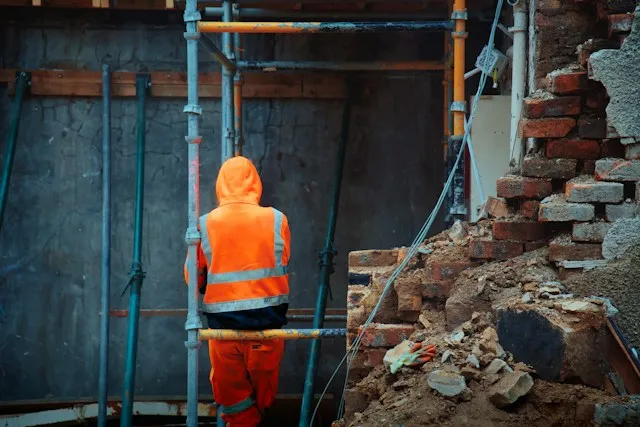
Workplaces need people who know how to spot danger before it becomes an accident. An Industrial Safety Course in Kolkata can help learners build the practical knowledge needed to identify hazards, manage risks, handle emergencies, and support safer workplaces.
Today, safety is not just about wearing a helmet and putting up a warning Safety Training courses in Kolkata sign. Modern workplaces need trained professionals who understand safety audits, incident investigation, fire protection, legal compliance, emergency planning, and workplace risk management.
For learners looking for safety courses in Kolkata, Center for Safety Education (CSE) offers career-focused programs designed around practical industrial safety knowledge. Its Certificate, Diploma, and ADIS-level programs cover important areas of workplace safety and HSE management.
What Is an Industrial Safety Course in Kolkata?
An Industrial Safety Course teaches students how to identify workplace hazards, assess risks, prevent accidents, and improve safety systems.
The subject is useful across many industries. Manufacturing plants, construction sites, warehouses, oil and gas facilities, commercial buildings, and other workplaces all need effective safety practices.
A good course should go beyond classroom theory. Students should understand how safety works in real situations. This includes learning how to inspect a workplace, identify unsafe conditions, investigate incidents, and prepare for emergencies.
What Do Students Learn?
Industrial safety education can cover topics such as:
- Hazard identification
- Risk assessment
- Workplace safety management
- Safety audits
- Incident investigation
- Fire safety
- Emergency preparedness
- Lifting and rigging safety
- Industrial hygiene
- Ergonomics
- Legal and regulatory compliance
- HSE management
- Accident prevention
These skills can help learners understand both the technical and management sides of workplace safety.
Why Are Safety Courses in Kolkata Important?
Kolkata and the wider West Bengal region have a wide range of industrial, commercial, construction, logistics, and infrastructure activities.
Every workplace has different risks. A factory may deal with machinery and electrical hazards. A construction site may involve work at height, lifting operations, and moving equipment. A warehouse may have storage, material handling, and fire risks.
This is why trained safety professionals matter.
Safety courses in Kolkata can help learners develop a structured approach to workplace safety instead of relying only on common sense. Common sense is useful, of course. But when a forklift, crane, electrical panel, or industrial machine enters the picture, a little formal training becomes very handy.
Safety Is More Than Accident Prevention
Workplace safety is not limited to preventing injuries.
A proper safety system can also support:
- Better emergency response
- Safer work procedures
- Risk control
- Regulatory compliance
- Employee awareness
- Workplace inspections
- Incident reporting
- Business continuity
A trained safety professional can help an organization identify problems before they become bigger problems.
What Does a Fire and Safety Course in Kolkata Cover?
A Fire and Safety Course Kolkata learners choose should ideally cover both fire protection and wider workplace safety.
Fire safety includes understanding fire hazards, emergency procedures, fire prevention, evacuation planning, and basic fire protection systems.
But industrial safety goes further.
Fire Safety and Emergency Preparedness
Students may learn how fires can start and spread, how workplaces can prepare for emergencies, and how evacuation procedures should work.
Emergency preparedness also involves planning before an incident occurs. A workplace should not start thinking about an evacuation plan after smoke appears. That would be a rather poor time to begin planning.
Good training helps students understand the importance of emergency procedures, communication, evacuation routes, and coordinated response.
Lifting and Rigging Safety
Lifting operations can create serious workplace risks when equipment, loads, or procedures are not properly managed.
Safety education can introduce learners to basic lifting and rigging principles, hazard identification, safe work practices, and the importance of proper planning.
This knowledge is useful in industries where cranes, hoists, lifting accessories, and material-handling equipment are common.
How Can Safety Training Courses in Kolkata Build Job-Ready Skills?
Safety Training courses in Kolkata can provide a foundation for people who want to work in workplace safety and HSE-related roles.
The most useful training combines knowledge with practical application.
For example, learning the definition of a hazard is helpful. Learning how to identify hazards during an actual workplace inspection is even more useful.
Practical Workplace Skills
A well-structured safety program may help learners understand how to:
- Conduct basic safety inspections
- Identify workplace hazards
- Assess potential risks
- Support safety audits
- Record and investigate incidents
- Understand emergency procedures
- Promote safe work practices
- Support compliance activities
- Communicate safety instructions
- Recognize unsafe workplace conditions
These skills can be relevant to entry-level and developing safety roles across different industries.
Why Choose Center for Safety Education?
Center for Safety Education focuses on practical HSE management education through structured safety programs.
Its programs are available at Certificate, Diploma, and ADIS levels, with course structures ranging from approximately 120 to 300 hours depending on the program.
The approach connects classroom learning with real industrial safety requirements.
A Curriculum Built Around Industrial Application
CSE programs cover areas such as risk management, hazard identification, safety audits, incident investigation, ergonomics, legal compliance, fire safety, emergency preparedness, and lifting and rigging safety.
This broad approach can help students understand how different parts of a safety management system fit together.
Instead of viewing fire safety, workplace hazards, audits, and compliance as separate topics, learners can understand how they work together within an overall HSE framework.
Backed by a National Development Agency
Center for Safety Education states that its industrial safety programs are backed by a National Development Agency established in 1952 under the Planning Commission, Government of India.
For students comparing safety education options, institutional background is one factor worth checking alongside course content, practical exposure, duration, certification, and career relevance.
Who Should Take an Industrial Safety Course?
An industrial safety program can be useful for several groups.
It may suit students starting a career, working professionals looking to build safety knowledge, and people seeking a structured path into HSE-related work.
Students and Fresh Graduates
Students who want to enter industrial safety can use formal training to build a foundation in workplace hazards, risk management, fire safety, and safety systems.
A structured course can also make it easier to understand the terminology and processes used in industrial environments.
Working Professionals
Professionals already working in manufacturing, construction, engineering, operations, logistics, or related fields may find safety knowledge useful for their current responsibilities.
Safety is often part of many job roles, even when the word "safety" is not in the job title.
People Planning a Career Change
Those exploring a move into HSE or industrial safety can use Certificate, Diploma, or ADIS-level education to develop relevant knowledge before applying for suitable roles.
The right program depends on the learner's existing education, experience, career goal, and eligibility.
How Does Safety Training Support Different Industries?
Safety knowledge is transferable because most industries face some form of workplace risk.
Manufacturing
Manufacturing environments may involve machinery, electrical systems, chemicals, material handling, noise, and moving equipment.
Safety training can help learners understand how to identify and control these risks.
Construction
Construction sites can involve work at height, excavation, lifting operations, temporary structures, electrical equipment, and heavy machinery.
Safety professionals help organizations plan controls and promote safer work practices.
Oil and Gas
Oil and gas environments can involve fire, explosion, hazardous substances, pressure systems, and complex operating conditions.
Safety training provides a foundation for understanding risk management and emergency preparedness in such settings.
Commercial and Industrial Facilities
Safety principles also apply to offices, warehouses, institutions, malls, and other commercial environments.
Fire safety, evacuation planning, ergonomics, electrical safety, and emergency response remain important even when the workplace does not look like a traditional factory.
What Should You Check Before Choosing Safety Courses in Kolkata?
Not every course is designed in the same way. Learners should compare programs carefully before enrolling.
Look at the course duration, syllabus, level, practical learning, certification, eligibility requirements, and industry relevance.
Important Questions to Ask
Before choosing a program, check:
- What topics are included in the syllabus?
- Is the course focused on practical workplace situations?
- What is the course duration?
- Is it a Certificate, Diploma, or ADIS-level program?
- What safety and HSE subjects are covered?
- Does the curriculum include fire and emergency safety?
- Does it cover risk assessment and incident investigation?
- What type of certification is provided?
- Does the course match your career goals?
- What industries can the skills apply to?
These questions can help learners compare Safety Traning Program in Kolkata options more carefully.
Why Practical Safety Education Matters
Safety rules are easier to understand when learners can connect them to real workplace situations.
Imagine finding an exposed electrical cable, an overloaded storage area, an unsafe lifting setup, or a blocked emergency exit.
A trained person should be able to recognize the issue, understand the potential risk, report it properly, and support corrective action.
That is the value of practical safety education.
The goal is not simply to memorize safety terms for an examination. The goal is to understand how safety systems work when real people, equipment, deadlines, and workplace pressures are involved.
What Career Skills Can Learners Develop?
A safety-focused education can help develop several useful professional skills.
These include observation, communication, reporting, hazard identification, risk assessment, inspection, emergency planning, and safety documentation.
Learners can also become familiar with the role of safety audits, incident investigations, ergonomics, and compliance procedures.
These skills may support career opportunities in areas such as manufacturing, construction, infrastructure, logistics, oil and gas, and other industrial environments, subject to employer requirements and applicable qualifications.
Why Is CSE Worth Considering for Safety Education?
Center for Safety Education combines several important areas of workplace safety within its Certificate, Diploma, and ADIS-level programs.
Its curriculum covers practical subjects such as hazard identification, risk management, safety audits, incident investigation, fire safety, lifting and rigging, ergonomics, emergency preparedness, and legal compliance.
For learners searching for an Industrial Safety Course in Kolkata, this broad HSE-focused approach can provide a useful starting point for building workplace safety knowledge.
The focus on employability and industrial application also makes the programs relevant to learners who want their education to connect with real workplace responsibilities.
Frequently Asked Questions About Safety Courses in Kolkata
What is an Industrial Safety Course?
An Industrial Safety Course teaches learners how to identify workplace hazards, assess risks, prevent accidents, support emergency response, and manage basic workplace safety systems.
Which Fire and Safety Course Kolkata students can choose?
Students can compare Certificate, Diploma, and ADIS-level programs based on their education, experience, eligibility, and career goals. Course duration and subjects can vary by program.
Are safety courses useful for construction and manufacturing jobs?
Yes. Safety knowledge can be relevant to construction, manufacturing, infrastructure, logistics, oil and gas, and other industries where workplace risk management is important.
What subjects are taught in safety training?
Common subjects include hazard identification, risk assessment, fire safety, emergency preparedness, safety audits, incident investigation, ergonomics, lifting and rigging safety, and legal compliance.
How long can a safety training program take?
Course duration depends on the program. CSE describes its Certificate, Diploma, and ADIS-level safety programs as ranging from approximately 120 to 300 hours.
Who can join a safety training program?
Eligibility depends on the specific course. Students, fresh graduates, working professionals, and people planning a career in HSE may explore suitable programs based on their educational background and career objectives.
Conclusion
A strong safety professional needs more than a certificate. They need the ability to understand hazards, assess risks, communicate clearly, and support safer work systems.
For learners exploring an Industrial Safety Course in Kolkata, Center for Safety Education offers Certificate, Diploma, and ADIS-level programs covering practical HSE topics such as fire safety, risk management, audits, incident investigation, ergonomics, lifting safety, emergency preparedness, and compliance.
If your goal is to build practical workplace safety knowledge and prepare for opportunities across industrial and commercial sectors, exploring the right safety courses in Kolkata can be a useful first step. The safest career move may simply be learning how to make workplaces safer.