Choosing Work Gloves Manufacturers for Industrial Safety in Pakistan
By saxumgroup
4 Views
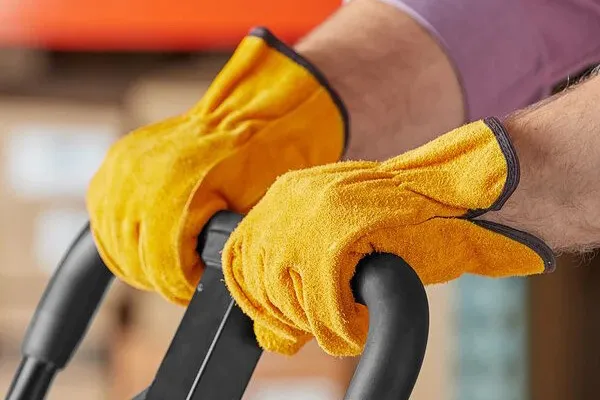
Hand protection is an essential part of workplace safety across industries such as construction, manufacturing, welding, automotive repair, and metal fabrication. Workers regularly handle heavy materials, sharp objects, hot surfaces, and industrial equipment that can cause serious hand injuries. Selecting suitable gloves helps businesses create safer working environments while supporting productivity and consistent work quality. In Pakistan, where industrial and manufacturing activities serve many different sectors, companies need reliable protective equipment that matches their operational requirements.
How Work Gloves Manufacturers Support Workplace Safety
Professional work gloves manufacturers develop protective products for different working conditions and handling tasks. Their products may include general-purpose gloves, cut-resistant gloves, leather gloves, coated gloves, and specialized protective designs. Each type serves a different purpose, so businesses should understand the hazards their employees face before choosing suitable equipment. The correct glove material, thickness, grip, and fit can influence comfort and protection throughout a working shift.
Manufacturers also contribute to workplace safety by maintaining consistent production standards and selecting materials according to the intended application. Businesses purchasing gloves in bulk should consider product specifications, durability, sizing options, and quality control. A dependable supplier can help organizations identify products that fit their requirements instead of relying on a single glove type for every task.
Selecting the Right Gloves for Different Industries
Different industries expose workers to different hazards. Construction employees may need gloves that provide a secure grip when carrying building materials, while warehouse teams often require protection against abrasion and rough surfaces. Automotive technicians may benefit from gloves designed for handling tools and components, whereas workers involved in material processing may need cut-resistant options.
The selection process should begin with a workplace risk assessment. Employers should identify potential cuts, punctures, abrasions, chemical exposure, heat, and other hazards before selecting protective equipment. They should also check the relevant safety standards and manufacturer instructions. Choosing gloves according to the actual task helps reduce avoidable risks and makes protective equipment more practical for everyday use.
Why Material Quality Matters in Work Gloves
The materials used in protective gloves influence their performance, comfort, and service life. Leather is commonly used for certain heavy-duty applications because it offers abrasion resistance and can provide protection from sparks when the glove is specifically designed for suitable welding tasks. Cotton and blended fabrics may be used for light handling, while synthetic coatings can improve grip in particular environments.
Cut-resistant gloves may use specialized fibers, depending on the protection level required. However, no single material provides protection against every workplace hazard. Employers should compare product specifications with the conditions in which the gloves will be used. Regular inspection is also important because worn seams, damaged coatings, and holes can reduce protective performance.
Understanding the Role of a Welding Gloves Manufacturer
A professional Welding Gloves Manufacturer focuses on gloves designed for the demanding conditions associated with welding and related metalworking operations. Welding can expose workers to sparks, hot metal, radiant heat, and sharp workpieces. Gloves intended for these tasks need suitable construction, appropriate materials, and a design that supports safe handling.
Welding gloves commonly use heat-resistant materials and protective linings, although their performance varies by product. Some designs provide greater flexibility for detailed work, while others offer additional coverage for demanding applications. Buyers should confirm the intended welding process, expected heat exposure, cuff length, stitching quality, and applicable protection ratings before making a purchase.
Choosing Welding Gloves for Different Welding Processes
Different welding methods can create different combinations of heat, sparks, and handling requirements. MIG welding may expose workers to substantial spatter, making suitable heat and spark protection important. TIG welding often requires greater finger control for precise movements, so flexibility and fit may influence glove selection. Stick welding can involve considerable heat and spatter, requiring gloves specifically suited to those conditions.
Employers should not select welding gloves based on appearance alone. The glove must match the process, workpiece, and operating environment. Workers should also receive instructions on safe handling practices and understand that gloves do not eliminate every risk associated with welding. Proper protective clothing, eye protection, ventilation, and other safety measures remain important parts of a complete workplace safety program.
Factors to Consider When Buying Gloves in Pakistan
Businesses in Pakistan should evaluate several practical factors when purchasing industrial gloves. Product consistency, available sizes, material specifications, delivery schedules, and order quantities can all affect purchasing decisions. Companies that regularly replace protective equipment may benefit from establishing a dependable supply arrangement with a manufacturer or distributor.
Price is another consideration, but the lowest initial cost does not always represent the best overall value. Gloves that wear out quickly may require more frequent replacement and create additional purchasing work. Buyers should compare durability, suitability, and product specifications alongside price. They should also ask for samples or technical information when available, particularly before placing large orders for specialized protective equipment.
Quality Control and Responsible Manufacturing
Quality control is important because protective gloves must perform according to their intended design. Manufacturers can support consistency through material inspection, production checks, seam evaluation, and appropriate product testing. Buyers should ask about relevant standards and request documentation where necessary, especially for gloves intended to protect against heat, cuts, chemicals, or other specific hazards.
Businesses should avoid assuming that every glove described as industrial or heavy-duty provides the same level of protection. Product claims need to be supported by suitable specifications and testing. Clear labeling, accurate sizing information, and care instructions also help workers use and maintain gloves correctly. Responsible purchasing decisions combine supplier reliability with evidence that the selected product suits the job.
How Saxum Group Supports Industrial Glove Requirements
Businesses searching for industrial hand protection can explore the product and service information available through Saxum Group. Organizations comparing work gloves manufacturers should review available workwear options and confirm which products match their workplace requirements. Companies seeking a Welding Gloves Manufacturer should also verify the specific glove types, materials, protection ratings, and purchasing arrangements offered by the supplier.
Before placing an order, buyers should communicate their application, expected quantities, sizing needs, and delivery requirements. Asking clear questions helps both parties understand the intended use and identify suitable products. Reviewing product information carefully can support better purchasing decisions for workshops, factories, construction companies, and other industrial operations across Pakistan.
Frequently Asked Questions
What should businesses look for in work gloves manufacturers?
Businesses should consider material quality, product range, consistent sizing, relevant safety standards, quality control, and the supplier's ability to meet order requirements. The gloves should be suitable for the specific hazards workers encounter.
How can companies choose a suitable Welding Gloves Manufacturer?
Companies should review the manufacturer's welding glove specifications, heat and spark protection, materials, cuff design, stitching, and relevant test documentation. The selected gloves must match the welding process and working conditions.
Are all industrial gloves suitable for welding?
No. General-purpose gloves may not provide adequate protection against welding heat, sparks, or molten-metal spatter. Workers should use gloves specifically designed and rated for the intended welding application.
Why is glove sizing important?
Proper sizing supports comfort, grip, and controlled movement. Gloves that are too loose may interfere with handling, while gloves that are too tight may restrict movement and cause discomfort. Employers should provide appropriate sizes for their workforce.
How often should protective gloves be replaced?
Replacement depends on the glove type, frequency of use, workplace hazards, and manufacturer instructions. Workers should inspect gloves regularly and replace any that show damage, excessive wear, holes, or other signs of reduced protection.
Related Reading
Why Business & Finance is Transforming the Global Industry Landscape
Welcome to our in-depth exploration of Business & Finance. In an era defined...
Expert Insights: Navigating the Complex World of Business & Finance
Welcome to our in-depth exploration of Business & Finance. In an era defined...