The Influence of Anti Social Social Club on Modern Fashion
By Commedesgarcons
70 Views
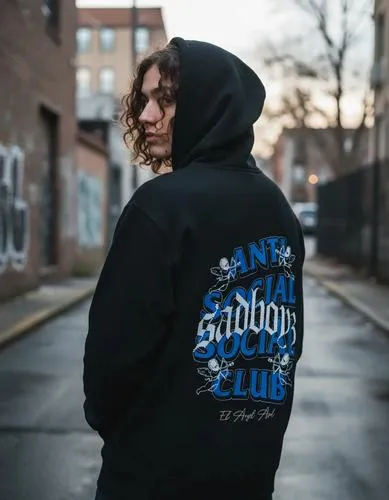
In the ever-evolving landscape of modern fashion, streetwear brands have played a pivotal role in shaping trends, attitudes, and consumer culture. Among these influential names, Anti Social Social Club (ASSC) stands out as a significant force that has left an indelible mark on contemporary fashion. Founded in 2015 by Neek Lurk, a former graphic designer for other major streetwear brands, ASSC quickly morphed from a niche label into a cultural phenomenon, known for its bold branding, emotional resonance, and savvy social media strategy. This essay explores the broad influence of Anti Social Social Club on modern fashion, examining its origins, aesthetic, cultural impact, and the way it has reshaped consumer behavior and branding in the fashion industry.
Origins and Rise of Anti Social Social Club
Anti Social Social Club was born out of a personal and emotional place. Neek Lurk designed the brand as a reflection of his struggles with mental health, social anxiety, and feelings of isolation—issues that resonated deeply with a generation increasingly open about emotional vulnerability. This unique foundation set ASSC apart from many other streetwear brands, which often focus predominantly on aesthetics or hype.
The brand’s rise was fueled by its minimalist yet striking logo designs, often featuring the brand name in curved text on plain backgrounds. This simplicity combined with the raw emotional undertone created an aura of exclusivity and relatability. Early on, ASSC gained traction through word of mouth and social media, particularly Instagram, where limited drops and collaborations created anticipation and desire.
Distinctive Aesthetic and Design Philosophy
Anti Social Social Club’s aesthetic is characterized by its use of bold typography, vibrant colorways, and a minimalist approach that emphasizes branding over intricate design. The brand’s signature “Anti Social Social Club” text, often rendered in a slanted or curved style, is instantly recognizable. This branding-heavy approach plays into the streetwear culture’s emphasis on logos as status symbols and markers of identity.
The designs often incorporate themes of loneliness, mental health, and social alienation, which resonate with many young consumers today. This emotional connection is a key aspect of the brand’s appeal, making it more than just a fashion label but a statement of personal identity and social commentary.
Impact on Streetwear and Fashion Culture
ASSC’s influence on modern fashion is multifaceted. It has helped to popularize the trend of emotional branding, where brands communicate not just through their products but through relatable narratives that tap into the psyche of their audience. This shift has encouraged other brands to adopt a more authentic, vulnerable approach to marketing, moving away from purely aspirational imagery towards genuine human experiences.
The brand’s approach to scarcity and exclusivity—through limited edition drops and collaborations—has reinforced the hype culture in streetwear. This strategy creates a sense of urgency and community among fans, driving demand and elevating the brand’s status. Collaborations with major brands like Nike, Playboy, and Dover Street Market have further cemented ASSC’s position in both streetwear and high fashion circles.
Moreover, ASSC has contributed to the democratization of fashion, where young people across the globe can access and participate in trends through digital platforms. The brand’s success via social media has shown that traditional fashion gatekeeping can be bypassed, empowering emerging labels to build loyal followings online without relying on conventional retail or marketing.
Consumer Behavior and Social Media Dynamics
Anti Social Social Club’s rise is inseparable from the evolution of social media as a marketing and cultural tool. The brand’s founder used Instagram not just to showcase products but to create an interactive dialogue with fans. The use of memes, candid posts, and emotional storytelling fostered a sense of community and belonging among followers.
This social media presence has influenced modern consumer behavior by emphasizing the experience of the brand rather than just the product. Fans buy into the lifestyle and identity that ASSC represents, often sharing their purchases and personal stories online, which fuels organic promotion and brand loyalty.
The brand’s success has also highlighted the power of "drop culture"—timed releases of limited stock items that generate buzz and urgency. This model has been widely adopted across streetwear and even luxury fashion, changing how consumers engage with product availability and brand exclusivity.
Criticisms and Controversies
While ASSC’s influence is undeniable, the brand has faced criticism and controversy. Some detractors argue that the brand’s designs are overly simplistic and rely too heavily on hype rather than innovation. There have also been complaints about inconsistent customer service and delayed product releases, which have sometimes frustrated fans.
However, these issues have not significantly diminished the brand’s appeal. Instead, they reflect the challenges of managing rapid growth and hype-driven demand. The controversies have even contributed to the brand’s mystique, underscoring the complicated relationship between exclusivity, hype, and consumer expectations in modern fashion.
Legacy and Future Influence
Anti Social Social Club has undoubtedly left a lasting imprint on modern fashion by redefining how brands connect emotionally with consumers and leverage social media culture. It has pushed the boundaries of traditional branding and marketing, showing that authenticity and relatability can drive significant commercial success.
Looking forward, ASSC’s model continues to influence emerging brands that seek to blend personal storytelling with bold branding and digital engagement. The brand’s legacy lies in its ability to transform feelings of alienation into a shared cultural identity, proving that fashion is not just about clothing but also about expressing who we are in a complex, connected world.
Conclusion
The influence of Anti Social Social Club on modern fashion extends beyond its distinctive designs and hype-driven marketing. It represents a paradigm shift where emotional authenticity, social media savvy, and exclusivity converge to create a powerful cultural phenomenon. By tapping into contemporary issues like mental health and social anxiety, ASSC has resonated deeply with a generation seeking both identity and community through fashion.
As the fashion industry continues to evolve, the lessons from Anti Social Social Club’s rise highlight the importance of genuine connection, innovative marketing, and cultural relevance. Its impact on streetwear and broader fashion culture demonstrates how a brand can transcend mere products to become a significant cultural force, shaping not only what people wear but also how they express themselves in the modern world.
Related Reading
Why Business & Finance is Transforming the Global Industry Landscape
Welcome to our in-depth exploration of Business & Finance. In an era defined...
Expert Insights: Navigating the Complex World of Business & Finance
Welcome to our in-depth exploration of Business & Finance. In an era defined...