Why Mixed Emotion Fashion Is Becoming So Popular
By Mixedemotion11
65 Views
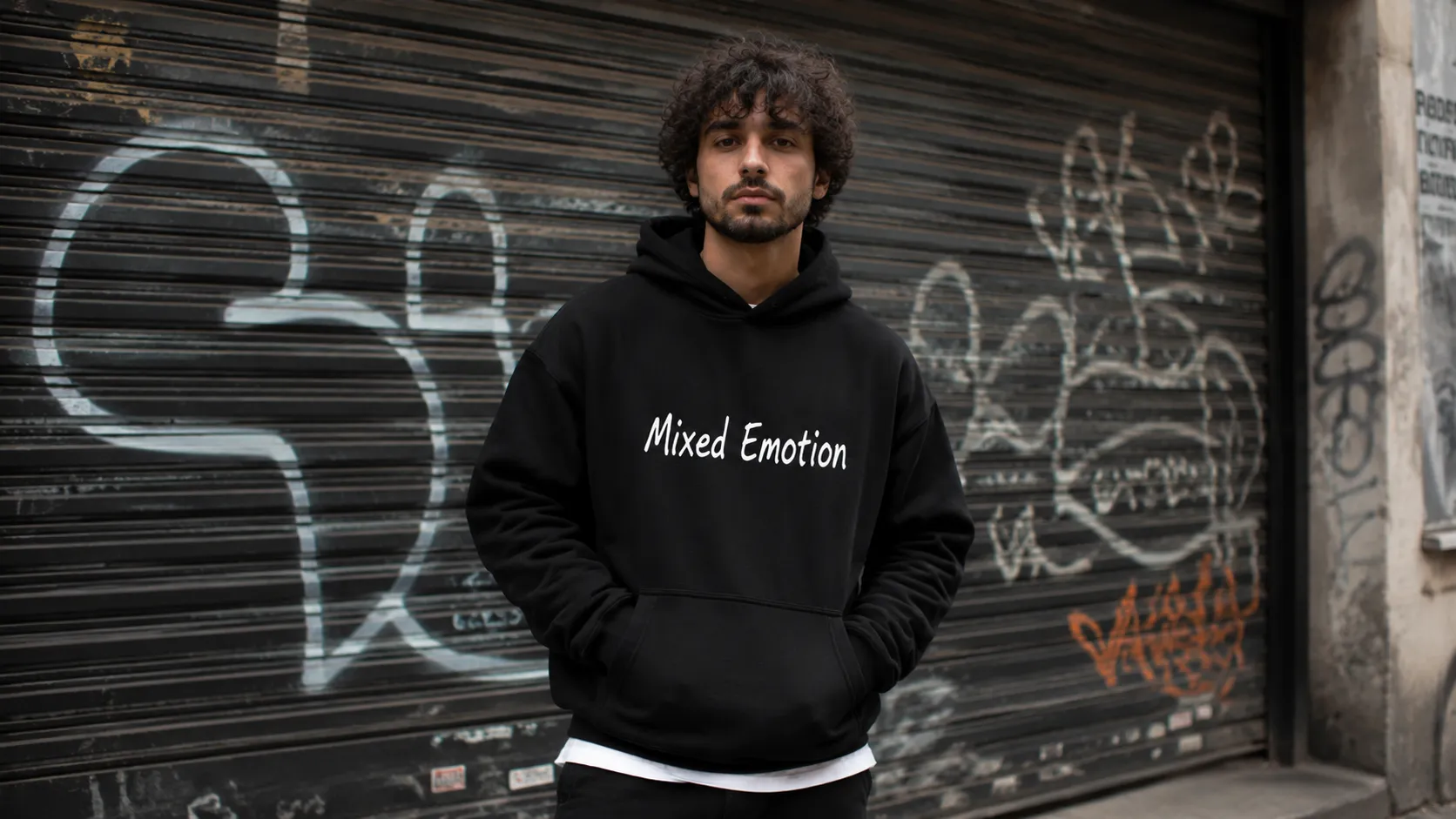
In recent years, a new wave of fashion has emerged that breaks away from traditional style rules and embraces complexity and contradiction: Mixed Emotion fashion. This trend, characterized by the blending of contrasting moods, textures, colors, and styles within a single outfit, is rapidly gaining popularity across the globe. But what exactly is driving this surge? Why is mixed emotion fashion resonating so deeply with today’s consumers? This article explores the cultural, psychological, and social mixedemotionshop factors behind the rise of mixed emotion fashion and what makes it a defining style of our time.
The Essence of Mixed Emotion Fashion
Mixed emotion fashion is a style movement that reflects the multifaceted nature of human emotions and identity. Instead of dressing to convey a single mood or adhere to a strict aesthetic, wearers combine elements that evoke different, sometimes conflicting emotions—softness with edge, nostalgia with futurism, joy with melancholy—creating looks that are rich in emotional and visual depth. This approach celebrates the paradoxes within us all and offers a more authentic, personalized way to express who we are.
1. Reflecting the Complexity of Modern Life
One of the primary reasons mixed emotion fashion is so popular is that it mirrors the complex emotional landscape of contemporary life. Today’s world is fast-paced, uncertain, and layered with diverse experiences that often evoke mixed feelings. People no longer fit neatly into simple emotional categories; they feel joy and anxiety, hope and frustration, confidence and vulnerability—all at once.
Mixed emotion fashion captures this reality by allowing individuals to wear their contradictions openly. It acknowledges that humans are not one-dimensional, making the style deeply relatable and resonant.
2. Desire for Authentic Self-Expression
In an age dominated by social media and curated images, there is a growing hunger for authenticity. People want to present themselves in ways that feel true and multifaceted, rather than polished or one-note. Mixed emotion fashion offers a fresh canvas for this.
By mixing textures, colors, and styles that represent different moods, wearers can tell their personal stories more honestly. It moves beyond trends to embrace individuality, giving people the freedom to create looks that reflect their evolving emotions and identities.
3. Breaking Traditional Fashion Rules
Mixed emotion fashion challenges long-standing norms about what “matches” or what constitutes a “proper” outfit. It rejects the idea that fashion must be harmonious or predictable. This rule-breaking is appealing to a generation that values experimentation, creativity, and freedom.
The joy of mixing seemingly incompatible pieces—like pairing a delicate lace blouse with combat boots or neon colors with earth tones—creates a dynamic tension that energizes style. This rebellion against fashion rigidity encourages self-confidence and empowers wearers to define their own standards.
4. Influence of Diverse Cultural and Subcultural Movements
The popularity of mixed emotion fashion is also fueled by the global exchange of cultural influences and the resurgence of subcultures. Elements from punk, goth, hip-hop, vintage, and avant-garde movements blend seamlessly in modern mixed emotion looks.
This fusion honors diversity, history, and social narratives, making fashion a form of cultural dialogue. It allows wearers to connect with multiple identities and communities simultaneously, reflecting a more inclusive and interconnected world.
5. Emotional and Psychological Benefits
Mixed emotion fashion isn’t just about aesthetics—it offers significant psychological benefits. Wearing clothes that mirror your emotional complexity can enhance self-awareness and emotional well-being. It encourages mindful dressing, where individuals tune into their feelings and choose outfits that support or express them.
This approach can boost confidence by validating all aspects of one’s emotional experience, including vulnerability. It also provides comfort by blending soft, cozy fabrics with empowering styles, creating a sense of security and strength.
6. The Rise of Gender Fluidity and Inclusivity in Fashion
Mixed emotion fashion aligns naturally with the growing movement toward gender fluidity and inclusivity. As more people reject rigid gender binaries, they seek clothing that is adaptable and expressive of multiple facets of identity.
Mixed emotion fashion’s emphasis on blending styles and breaking norms embraces this shift, promoting unisex and androgynous looks that cater to diverse bodies and expressions. This inclusivity expands its appeal across demographics.
7. Sustainability and Mindful Consumption
Consumers today are increasingly conscious of the environmental impact of their fashion choices. Mixed emotion fashion encourages a slow, mindful approach to dressing by promoting creativity with existing pieces, vintage finds, and sustainable brands.
By focusing on personal expression and storytelling, it discourages fast fashion’s throwaway culture and inspires people to curate wardrobes they truly connect with emotionally, leading to longer-lasting style and reduced waste.
8. Technological Innovation and Customization
Advances in fashion technology contribute to the trend’s popularity. Smart textiles, digital customization platforms, and virtual try-ons allow wearers to personalize clothing that reflects their mood and identity dynamically.
This tech integration makes mixed emotion fashion more accessible and interactive, allowing people to experiment and evolve their style with ease, further fueling enthusiasm for the trend.
9. Celebrity and Influencer Endorsement
The visibility of mixed emotion fashion in popular culture has boosted its appeal. Celebrities and influencers who mix high fashion with streetwear, vintage with modern, and soft with bold inspire millions.
Their social media presence showcases how to wear contrasting emotions confidently, making the style aspirational and trendy. This cultural endorsement helps normalize and popularize mixed emotion fashion globally.
10. Fashion as Emotional Storytelling
Finally, mixed emotion fashion’s rise reflects a broader cultural shift toward fashion as storytelling. People want their clothes to do more than cover their bodies; they want them to communicate, evoke feelings, and create connections.
Mixed emotion fashion invites wearers to share their emotional journeys visually, making every outfit a narrative. This deeper meaning enhances the personal and social value of fashion, transforming it into a form of emotional art.
Conclusion: A Style for Our Time
Mixed emotion fashion is more than a passing trend—it is a reflection of the times we live in. It embraces the complexity, contradictions, and diversity of modern emotions and identities, offering a versatile and authentic way to express the self.
Its popularity is driven by a collective desire for emotional honesty, creative freedom, cultural inclusivity, and mindful living. By blending contrasts and breaking norms, mixed emotion fashion empowers individuals to own their stories and wear their feelings boldly.
Related Reading
Why Lifestyle & Culture is Transforming the Global Industry Landscape
Welcome to our in-depth exploration of Lifestyle & Culture. In an era define...
Expert Insights: Navigating the Complex World of Lifestyle & Culture
Welcome to our in-depth exploration of Lifestyle & Culture. In an era define...