Decoy Flares: Strengthening Aircraft Protection and Aviation Survivability
By yirive
11 Views
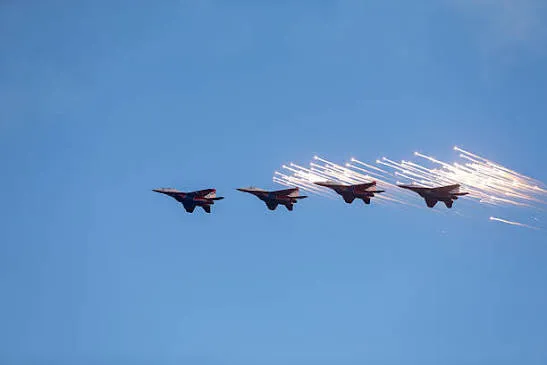
Military aviation operates in increasingly complex security environments, where aircraft may face threats from infrared-guided missile systems. Protecting aircraft and helicopter fleets has therefore become an important consideration in modern defence planning. Decoy flares are among the established airborne countermeasure technologies used to support aircraft survivability. Their role in aviation protection, combined with military aircraft modernization and defence procurement activities, continues to influence developments in the global aerospace and defence industry.
The Global Decoy Flares Market is closely associated with the increasing emphasis on aircraft protection and defence infrastructure modernization. According to the Global Decoy Flares Market research report published by Markntel Advisor, demand is influenced by defence expenditure, military aircraft deliveries, and the adoption of protective systems across fixed-wing and rotary-wing platforms. The study examines the industry by product type, application, region, and leading market participants.
Understanding the Role of Decoy Flares
Decoy flares are expendable aerial countermeasures designed to distract or divert incoming infrared-guided missiles away from aircraft. These devices generate thermal signatures that can act as alternative targets for heat-seeking guidance systems. They are generally integrated into aircraft defensive-aid systems and form part of broader aircraft survivability arrangements.
The technology is particularly relevant to military aircraft and helicopters operating in environments where infrared-guided threats are a consideration. Their deployment is determined by aircraft configuration, operational requirements, and the defensive systems installed on the platform. Decoy flares therefore remain an important component of military aviation protection strategies.
Growing Defence Modernization and Aircraft Procurement
The modernization of military aviation fleets is an important factor supporting demand for aircraft protection technologies. Governments are investing in new aircraft, upgrading existing platforms, and strengthening defence capabilities to address changing security requirements. These developments create requirements for compatible defensive systems and associated equipment.
According to the Stockholm International Peace Research Institute (SIPRI), global military expenditure reached USD 2.887 trillion in 2025, reflecting continued investment in defence capabilities. Although defence spending covers multiple categories, it provides broader context for aircraft modernization and military equipment procurement.
Military aircraft manufacturers and defence suppliers are also focusing on improving platform survivability. As new aircraft enter service and existing fleets undergo modernization, protective equipment remains relevant to procurement and maintenance planning.
Pyrotechnic and Pyrophoric Flares
The market is segmented into pyrotechnic flares, pyrophoric flares, and other product categories. These classifications reflect differences in the materials and technologies used to produce the required thermal signature.
Pyrotechnic flares represent an established category within airborne infrared countermeasures. Their use is associated with military aircraft protection requirements and compatibility with existing aircraft systems. Pyrophoric alternatives and other emerging technologies form additional parts of the product landscape as defence organizations evaluate different countermeasure requirements.
Product selection depends on platform compatibility, operational specifications, regulatory requirements, and procurement considerations. Manufacturers must also account for stringent quality assurance and safety standards when developing equipment for military aviation applications.
Fixed-Wing and Rotary-Wing Applications
Fixed-wing aircraft and rotary-wing platforms represent the two major application segments covered in the market study. Fixed-wing military aircraft, including fighter and transport platforms, require protective systems suited to their operational roles and aircraft configurations.
Rotary-wing aircraft, particularly military helicopters, also require survivability equipment because of their operational environments and mission requirements. Their applications include transport, reconnaissance, support, and other military activities. The demand for protective technologies across these platforms depends on fleet modernization, procurement programmes, and maintenance requirements.
The North Atlantic Treaty Organization (NATO) provides broader information about allied air capabilities and the importance of maintaining effective air power within collective defence arrangements.
Regional Developments in the Decoy Flares Industry
The global market covers North America, South America, Europe, the Middle East and Africa, and Asia-Pacific. Regional demand patterns are influenced by military aircraft inventories, defence procurement priorities, domestic manufacturing capabilities, and modernization programmes.
North America remains an important market because of its established aerospace and defence manufacturing ecosystem and substantial military aviation infrastructure. Europe also represents a significant region, supported by defence modernization initiatives and the presence of established countermeasure manufacturers.
Asia-Pacific is another relevant market, where countries are strengthening aviation capabilities and investing in defence equipment. Meanwhile, the Middle East and Africa and South America contribute to the geographical scope through their respective military aviation requirements.
Competitive Landscape and Industry Challenges
The market includes established defence companies such as BAE Systems, Chemring Group, Elbit Systems, Leonardo, MBDA, Rheinmetall, TransDigm Group, and Armtech Defense Technologies. These participants operate within a competitive environment shaped by technological development, manufacturing capabilities, qualification requirements, and government procurement procedures.
However, the industry faces challenges involving stringent defence regulations, export controls, product certification, and the complexity of integrating protective systems into different aircraft platforms. Manufacturers must also maintain consistent product quality and comply with country-specific defence procurement requirements.
Future Outlook for Decoy Flares
The decoy flares industry remains closely connected to military aviation modernization and aircraft survivability requirements. Demand across fixed-wing and rotary-wing platforms will continue to be influenced by procurement priorities, fleet maintenance, and the development of defence technologies.
As governments evaluate their aviation protection capabilities, established countermeasure technologies are expected to remain relevant within broader aircraft defensive systems. The industry's development will depend on technological innovation, regulatory compliance, manufacturing capabilities, and evolving military aviation requirements.
Related Reading
Why Business & Finance is Transforming the Global Industry Landscape
Welcome to our in-depth exploration of Business & Finance. In an era defined...
Expert Insights: Navigating the Complex World of Business & Finance
Welcome to our in-depth exploration of Business & Finance. In an era defined...