How to Choose a Packaging Company and Understand Pricing
By pioneerpackaging
5 Views
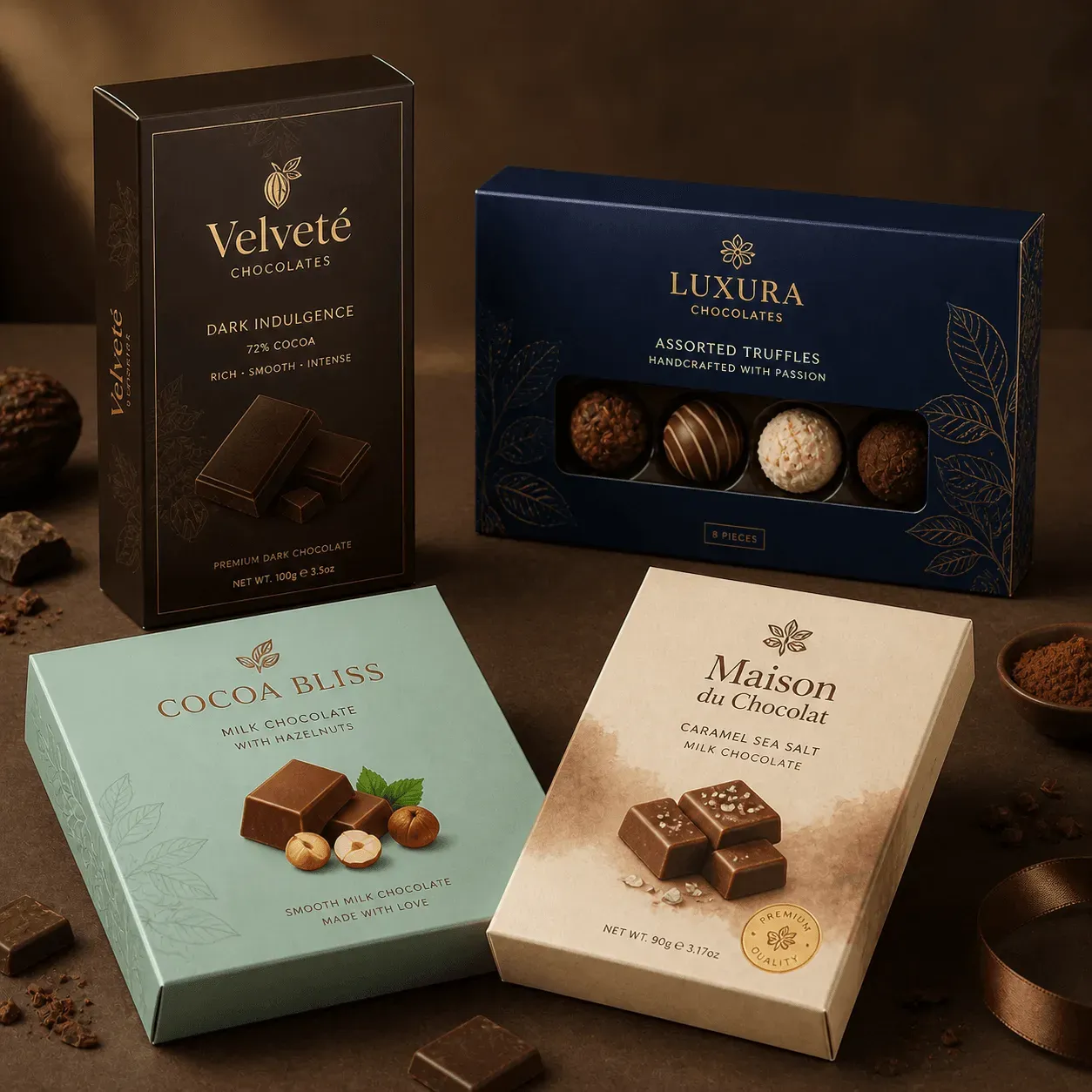
Before starting a packaging project, businesses should estimate their budget and understand how different choices affect production costs. The packaging price calculator can help buyers explore pricing for their packaging requirements and prepare for a more informed discussion with a supplier.
To develop a useful estimate, businesses should determine the required box dimensions, material type, printing preferences, and order quantity. They should also consider whether they need special inserts, protective layers, or premium finishes. Providing accurate details helps suppliers understand the project and prepare a quotation that reflects the requested specifications.
Companies should also distinguish between the cost per unit and the total order cost. A larger order may reduce the price of each box, but it also requires a greater upfront investment and more storage space. Businesses should therefore choose quantities according to realistic sales forecasts rather than ordering more packaging simply to obtain a lower unit price.
Choosing Materials for Different Products
Packaging materials should be selected according to the product's weight, fragility, storage conditions, and intended use. Paperboard is commonly used for retail cartons, cosmetics, and lightweight consumer products because it supports detailed printing and different folding styles.
Corrugated cardboard is often suitable for shipping applications because its layered construction provides cushioning and structural support. Kraft paperboard can offer a natural appearance, while rigid boxes may suit premium gifts, electronics, and luxury products that require a more substantial presentation.
Businesses should also consider environmental preferences when selecting materials. Recyclable paper-based options may be appropriate for many products, although coatings, adhesives, inks, and local recycling facilities can affect recyclability. Discussing these requirements with a packaging company can help buyers identify suitable materials without compromising product protection.
How Order Quantity Affects Packaging Price
Order quantity is another important factor when calculating the packaging price. Manufacturing processes often involve preparation, printing setup, material handling, and other expenses that must be considered alongside the cost of each box. When these expenses are distributed across a larger order, the cost per unit may decrease.
However, bulk purchasing is not automatically the right choice for every business. Startups launching a new product may prefer smaller quantities while they test customer demand. Established businesses with consistent sales may benefit from larger production runs when storage capacity and cash flow allow.
The best approach is to request quotations for several quantities and compare the total investment, unit cost, and expected inventory usage. This allows businesses to select an order size that supports their financial position and operational plans.
The Role of Design and Printing in Packaging
Packaging design should communicate important product information while maintaining a consistent brand appearance. A well-organized layout can include the company logo, product name, instructions, and other relevant details without making the package look crowded.
Before production begins, businesses should review artwork, dimensions, colors, and structural details carefully. A digital proof can help identify layout problems, while a physical sample can provide a better understanding of the material and construction. Confirming these details early may reduce the risk of expensive corrections after manufacturing.
The Pioneer Packaging offers customized packaging solutions for businesses seeking different box styles and printed designs. Buyers can discuss their requirements with the supplier to understand which options suit their products, quantities, and budgets.
Finding a Packaging Company for Long Term Growth
A packaging supplier should be evaluated according to more than its initial quotation. Businesses need to consider product consistency, communication, production timelines, customization capabilities, and shipping arrangements. These factors become increasingly important when packaging is needed regularly or when a company plans to expand its product range.
It is also useful to ask about minimum order quantities, sample availability, revision policies, and the process for approving final artwork. Written quotations should clearly explain the specifications being purchased and identify any additional charges that may apply.
For American businesses, delivery schedules and shipping terms deserve particular attention. Packaging must arrive in time for manufacturing, product launches, retail distribution, or customer orders. Planning ahead and maintaining clear communication can help reduce avoidable delays.
Frequently Asked Questions
What determines the cost of custom packaging?
The cost depends on material selection, box dimensions, order quantity, printing methods, finishing options, and structural complexity. Shipping and setup charges may also influence the final quotation.
How can businesses estimate packaging price?
Businesses can use the packaging price calculator as a starting point. They should provide accurate product dimensions, quantity requirements, and design preferences to obtain a more relevant estimate.
Why should businesses choose a reliable packaging company?
A dependable supplier can help businesses select appropriate materials, prepare packaging designs, review production specifications, and understand delivery requirements. Consistent communication is important for maintaining quality across repeated orders.
Is custom packaging suitable for small businesses?
Yes, custom packaging can suit small businesses as well as established brands. The appropriate order quantity and design complexity depend on the company's budget, sales expectations, and product requirements.
Can packaging reduce product damage during shipping?
Properly selected packaging can help protect products from movement, impact, and handling during transportation. The correct material, box strength, dimensions, and protective inserts should be chosen according to the product's specific needs.
Related Reading
Why Business & Finance is Transforming the Global Industry Landscape
Welcome to our in-depth exploration of Business & Finance. In an era defined...
Expert Insights: Navigating the Complex World of Business & Finance
Welcome to our in-depth exploration of Business & Finance. In an era defined...