Hydromulch vs. Hydroseeding in North Texas: What's the Difference?
By luca oscar
50 Views
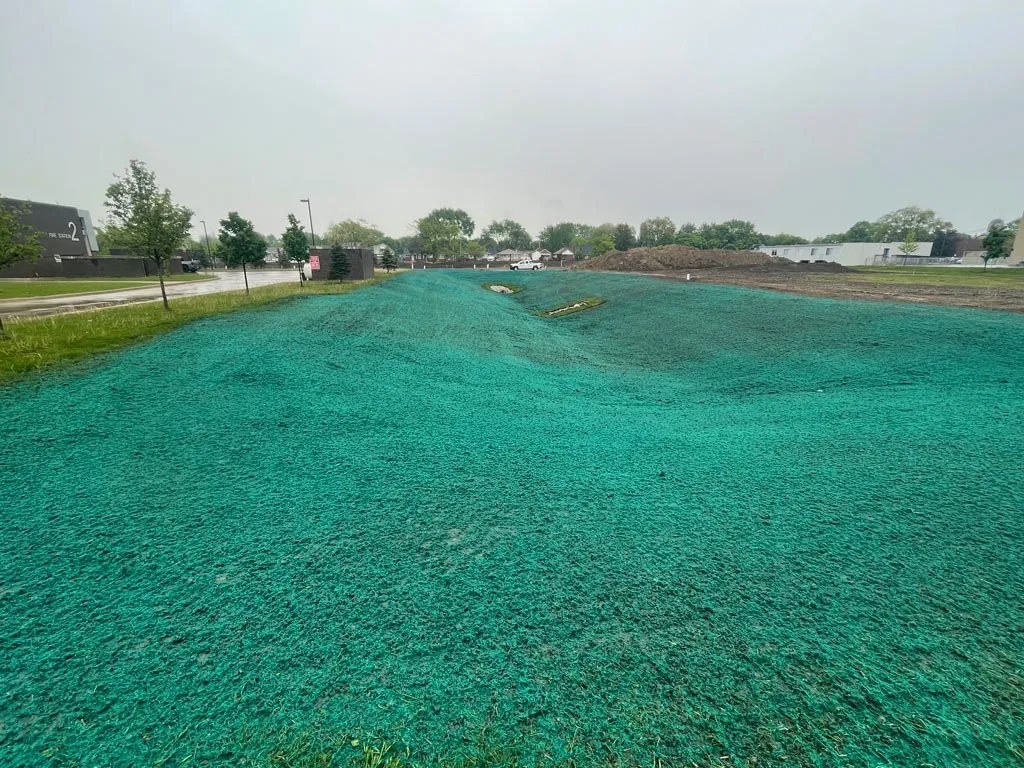
Property owners in North Texas often encounter the terms hydroseeding and hydromulch when researching ways to establish grass or restore exposed soil. Although the two terms are closely connected, they do not always describe exactly the same thing. Hydroseeding is a complete planting method that distributes seed through a liquid mixture, while hydromulch generally refers to the mulch component used to protect soil and support seed establishment. Understanding this distinction can help homeowners, contractors, and property managers choose an approach that fits their landscape.
What Is Hydroseeding?
Depending on the project, the mixture may also contain fertilizer, tackifiers, or soil amendments selected to support establishment. Hydromulch North Texas is a planting technique that combines grass seed, water, mulch, and other materials into a slurry that can be sprayed across prepared soil. Specialized equipment keeps the ingredients blended before applying them over the target area. This makes hydroseeding useful for lawns, construction sites, slopes, commercial landscapes, and other properties where large areas need efficient seed distribution.
The main purpose of hydroseeding is to establish vegetation rather than simply cover the ground with mulch. Seed is an essential component of the mixture, and the selected variety should match the site's climate, soil, sunlight, irrigation capacity, and intended use. Texas turfgrass guidance emphasizes the importance of selecting grass suited to the location and preparing the soil properly before planting. These factors can have a significant effect on how successfully the new vegetation develops.
What Is Hydromulch?
Hydromulch is the mulch material applied through a hydroseeding or similar spraying system. It may be made from materials such as processed wood fiber, cellulose, paper fiber, or other suitable products designed to provide surface coverage. Once applied, the mulch can help retain moisture around seed and provide protection against some wind and surface disturbance. In North Texas, this protective function can be particularly useful because newly seeded areas can face hot, dry conditions and sudden rainfall.
It is important to understand that hydromulch by itself does not necessarily mean that a lawn has been seeded. A mulch-only application may be used for specific erosion-control or soil-protection purposes, while a hydroseeding mixture includes seed as part of the planting process. In many practical projects, the terms overlap because hydroseeding commonly uses hydromulch as one of its primary components. The difference is therefore mainly about purpose and composition rather than two completely unrelated landscaping methods.
Hydroseeding North Texas: Why the Difference Matters
North Texas landscapes experience environmental conditions that can make vegetation establishment demanding. Summer heat can increase evaporation and moisture loss, while heavy storms can create runoff across exposed or poorly prepared soil. Hydroseeding North Texas properties allows contractors to combine seed with a protective mulch layer in one application. This can help create a more favorable environment for germination when the site has been properly prepared and the selected grass is appropriate for the region.
The local grass variety also influences the best approach. Warm-season grasses such as bermudagrass can be established from seed under suitable conditions, while some other turf varieties are commonly established using sod, plugs, or other methods. North Texas property owners should therefore avoid choosing a method simply because it is popular. Soil type, sunlight, water availability, traffic, desired appearance, and maintenance expectations should all be considered before selecting the planting system.
Hydromulch and Soil Protection
One of the useful roles of hydromulch is protecting the surface during the early stages of vegetation establishment. Newly prepared soil can be vulnerable to wind and rainfall before plants have developed roots. A properly applied mulch layer can help reduce surface disturbance while helping maintain moisture around developing seed. On sloped properties, this protective function can be particularly valuable when combined with appropriate grading and other erosion-management practices.
However, hydromulch should not be considered a substitute for proper site preparation. If the soil is heavily compacted, poorly graded, contaminated with debris, or unable to drain appropriately, simply applying mulch will not correct those underlying issues. Preparing the planting surface before application remains an important part of the process. Good soil contact, suitable drainage, appropriate seed selection, and consistent moisture all contribute to successful establishment.
Comparing Hydroseeding and Hydromulch
The simplest way to understand the difference is to consider the primary purpose of each term. Hydroseeding describes the overall planting process in which seed is distributed through a sprayable slurry. Hydromulch describes the protective mulch material that may be included in that slurry or applied separately. Therefore, a hydroseeding project can include hydromulch, but hydromulch does not automatically mean that a complete hydroseeding treatment has been performed.
For property owners, the distinction becomes important when requesting estimates from contractors. A quote should clearly identify whether the project includes seed, mulch, fertilizer, soil preparation, application, and follow-up recommendations. Asking these questions can prevent confusion about what the contractor intends to provide. It also makes it easier to compare proposals based on the actual scope of work instead of comparing two services that may use similar terminology but have different objectives.
When Hydroseeding May Be the Better Choice
Hydroseeding can be practical when a property needs new vegetation across a relatively large or irregular area. It can be used for residential lawns, commercial developments, construction sites, roadside areas, open lots, and landscape restoration projects. Mechanical spraying can distribute the mixture efficiently across areas where traditional broadcast seeding may require considerable labor. The mulch component also provides a protective layer while the seed begins its development.
The method is not automatically appropriate for every landscape, however. Some grass types may be better established through sod, plugs, or sprigs depending on their characteristics and the project's objectives. A property with severe drainage problems may also require corrective work before planting. The best decision should be based on site conditions rather than assuming that hydroseeding is universally superior. A professional assessment can help determine whether the method fits the property.
Choosing a North Texas Hydroseeding Professional
When planning a hydroseeding project, property owners should look for a contractor who understands regional soil and turf conditions. Experience with North Texas landscapes can help a provider select suitable seed, prepare the site correctly, and account for local weather challenges. Homeowners and businesses should ask about the proposed seed mixture, mulch material, preparation work, application rate, irrigation requirements, and expected establishment period. Clear answers can provide a better understanding of what the project actually involves.
It is also important to discuss maintenance after the application. Newly seeded areas generally need consistent moisture during the early stages, but excessive watering can create problems just as insufficient moisture can. Young turf should also be protected from unnecessary traffic until it becomes established. Following a suitable watering, mowing, and maintenance program can make a significant difference in the final result. Professional guidance should be based on the selected grass and actual site conditions rather than a generic maintenance schedule.
Making the Right Choice for Your Property
Hydroseeding and hydromulch are closely related, but they serve different roles within landscape establishment. Hydroseeding is the broader planting process, while hydromulch is primarily a protective material that can be incorporated into the application. In North Texas, combining appropriate seed with a suitable mulch can provide a practical approach for establishing vegetation when soil preparation, timing, irrigation, and maintenance are handled correctly.
Before beginning a project, evaluate the property's soil, sunlight, drainage, intended use, and available irrigation. Ask contractors to explain exactly what their service includes and whether the recommended grass can be successfully established using the proposed method. With informed planning and proper follow-up care, hydroseeding can provide an efficient foundation for healthy North Texas landscapes while hydromulch helps protect the developing planting surface during its most vulnerable stage.