Hyperbaric Sport Injuries Near Me: Understanding HBOT for Athletic Recovery
By maryam
42 Views
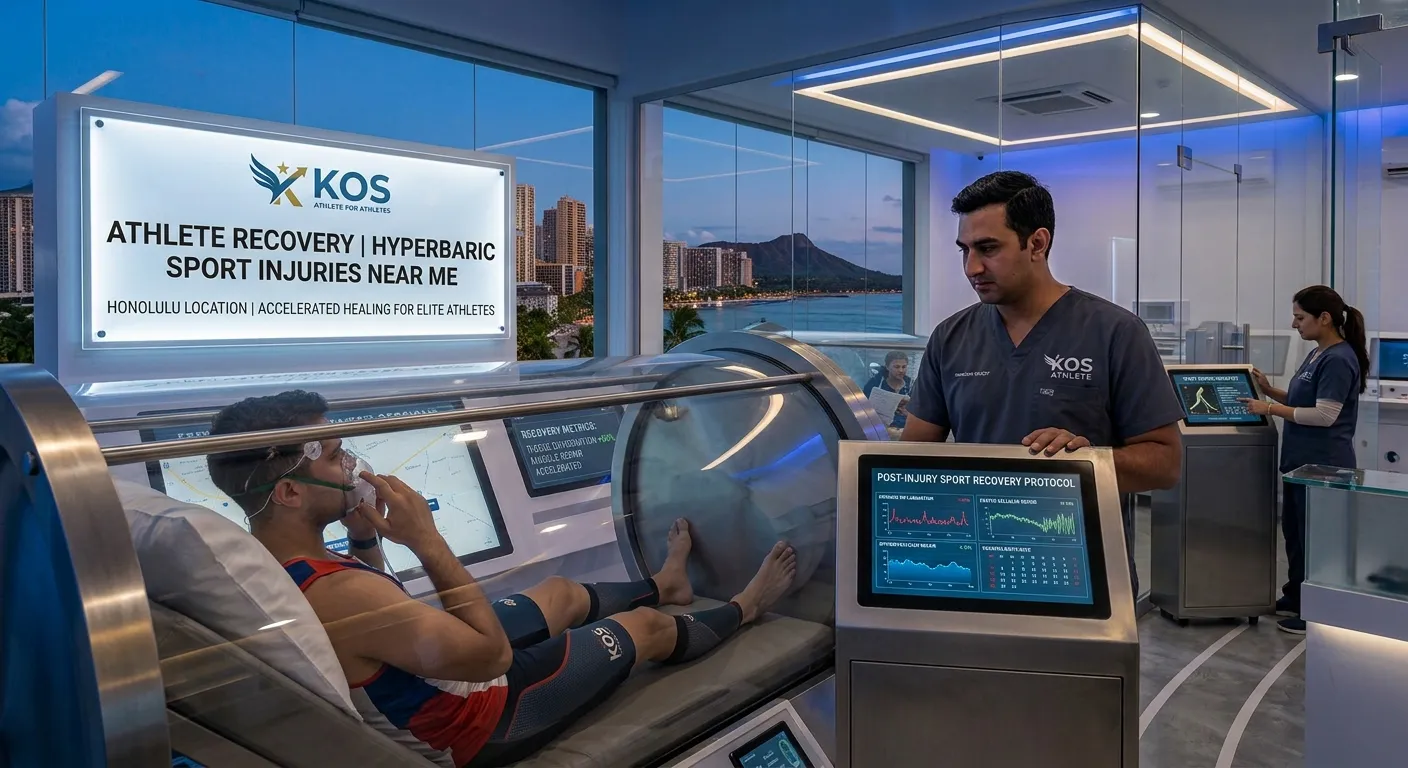
Athletes and active individuals often search for hyperbaric sport injuries near me when looking for treatment options after a muscle injury, soft-tissue injury, or other sports-related problem. Hyperbaric oxygen therapy (HBOT) has received attention in sports medicine because of its potential effects on oxygen delivery and tissue recovery.
During HBOT, a person breathes oxygen inside a specially designed chamber while the surrounding pressure is increased above normal atmospheric pressure. This increases the amount of oxygen available to the lungs and tissues during treatment.
Hyperbaric oxygen therapy has established medical uses for specific conditions, while its use for general athletic recovery and many sports injuries continues to be studied. A 2026 systematic review and meta-analysis found that HBOT may influence some measures of metabolic recovery in athletes, but its effects on short-term power and force production were limited and treatment protocols varied.
For athletes considering HBOT, professional evaluation and an individualized treatment plan are important.
What Does Hyperbaric Sport Injuries Near Me Mean?
The search term hyperbaric sport injuries near me generally refers to people looking for nearby providers that offer hyperbaric oxygen therapy in connection with sports injuries or athletic recovery.
Sports injuries can affect muscles, tendons, ligaments, joints, and other soft tissues. Depending on the injury, treatment may include rest, physical therapy, rehabilitation exercises, medication, bracing, or other medical interventions.
HBOT should not automatically replace these established treatments. Instead, when clinically appropriate, it may be considered as one part of a broader recovery plan.
The evidence for HBOT in sports injuries is still developing. A recent UHMS review reported that human studies involving soft-tissue musculoskeletal injuries have produced inconclusive results, although some studies have suggested possible reductions in pain and faster return to play.
How Does Hyperbaric Oxygen Therapy Work?
HBOT is performed inside a hyperbaric chamber. During treatment, the patient breathes oxygen while the pressure inside the chamber is increased.
The increased pressure allows the lungs to take in more oxygen than under normal atmospheric conditions. HBOT is therefore different from simply breathing oxygen at normal pressure.
Treatment protocols can vary according to the medical condition and clinical circumstances. A qualified provider should determine whether HBOT is appropriate and establish the treatment protocol.
Patients should also understand that the physiological effects of HBOT do not automatically mean that every sports injury will heal faster.
What Types of Sports Injuries May Be Considered?
People searching for hyperbaric sport injuries near me may be dealing with different types of athletic injuries.
These can include:
- Muscle strains
- Soft-tissue injuries
- Certain ligament injuries
- Sports-related swelling
- Acute traumatic injuries
- Compartment syndrome
- Crush injuries
- Exercise-induced muscle damage
- Other injuries involving compromised tissue oxygenation
The suitability of HBOT depends on the specific injury and its severity.
For example, UHMS literature discusses hyperbaric oxygen as an adjunctive treatment for acute traumatic ischemias, including crush injuries and compartment syndromes.
This is different from saying that HBOT is routinely required for common muscle soreness or every sports injury.
Hyperbaric Oxygen Therapy for Soft-Tissue Sports Injuries
Soft-tissue injuries are common among athletes. They may occur because of sudden trauma, overuse, repetitive movement, or excessive physical activity.
Researchers have investigated whether HBOT can influence recovery following soft-tissue injury. Some studies have reported possible benefits, but the overall evidence remains inconsistent.
A UHMS review of high-performance athletes noted that animal research has suggested improved muscle healing after soft-tissue injury, while human studies remain inconclusive. Some human data suggest that short courses of HBOT may reduce pain or support faster return to play after certain musculoskeletal injuries.
Because of this uncertainty, athletes should avoid providers who promise that HBOT will automatically speed up recovery.
Hyperbaric Therapy and Exercise-Induced Muscle Damage
Intense training can produce temporary muscle damage and soreness. Athletes may therefore become interested in treatments that could support recovery between training sessions or competitions.
Research has examined HBOT for exercise-induced muscle damage. A review published in the Undersea & Hyperbaric Medical Society journal concluded that the available literature was mixed and that additional research was needed to determine the potential role of HBOT.
More recent research has continued to investigate athletic recovery. A 2026 systematic review found a significant reduction in post-recovery blood lactate in the studies included in its meta-analysis, but found limited effects on short-term power output and force production.
This means HBOT may be an interesting area of sports medicine research, but it should not be presented as a guaranteed performance-enhancing treatment.
Can HBOT Replace Sports Rehabilitation?
No. Hyperbaric oxygen therapy should not automatically replace a structured rehabilitation program.
Sports rehabilitation may involve:
- Physical therapy
- Strength and mobility exercises
- Range-of-motion work
- Balance training
- Gradual return to sport
- Activity modification
- Sport-specific exercises
- Medical follow-up
For many injuries, rehabilitation is an important part of restoring movement and function.
If HBOT is considered appropriate, it may be discussed as an adjunct to a broader treatment plan rather than a replacement for rehabilitation.
Finding Hyperbaric Sport Injuries Near Me
When searching for hyperbaric sport injuries near me, it is important to evaluate more than the distance between your home and the facility.
Consider looking for a provider that offers:
- Qualified medical supervision
- Properly trained hyperbaric staff
- Appropriate hyperbaric equipment
- Clear patient screening
- Individualized treatment planning
- Appropriate safety procedures
- Proper equipment maintenance
- Communication with the patient's healthcare team when needed
A provider should also be transparent about what is known and what remains uncertain about HBOT for sports injuries.
If a facility claims that HBOT can guarantee rapid healing, eliminate all sports injuries, or dramatically improve athletic performance, it is reasonable to ask for evidence supporting those claims.
Questions to Ask a Hyperbaric Provider
Before choosing a provider, athletes can ask several practical questions.
Is HBOT appropriate for my injury?
Different injuries have different treatment requirements. A provider should assess the specific injury before recommending HBOT.
What is the goal of treatment?
The goal might relate to a particular medical indication, symptom management, or recovery plan. The provider should explain this clearly.
How many sessions may be recommended?
The number of sessions depends on the medical situation and treatment protocol. There is no universal schedule for every sports injury.
Who supervises the treatment?
Ask about the qualifications and experience of the medical professionals involved in your care.
How will my recovery be monitored?
A good treatment plan should include appropriate follow-up rather than relying only on the completion of HBOT sessions.
Safety Considerations for Hyperbaric Therapy
Safety is an important consideration when choosing a hyperbaric facility.
The FDA has emphasized that hyperbaric oxygen therapy devices must be used according to manufacturer instructions and that facilities should maintain appropriate fire-prevention procedures, train staff properly, monitor patients throughout treatment, and follow equipment maintenance and safety requirements.
Because HBOT involves a high concentration of oxygen in a pressurized environment, facilities also have rules regarding clothing and personal items that may be taken into the chamber.
Athletes should therefore choose a properly equipped and professionally supervised facility rather than selecting a provider based only on convenience.
What to Expect During a Hyperbaric Session
Before treatment begins, the provider will generally review your medical history and determine whether the treatment is appropriate.
During the session, you will enter the hyperbaric chamber and breathe oxygen while the chamber is pressurized.
You may notice pressure in your ears during the beginning and end of treatment, similar to the sensation experienced during an airplane flight. The treatment team can explain techniques for managing these pressure changes.
The duration of a session depends on the treatment protocol. Patients should follow the instructions provided by the clinical team.
Hyperbaric Therapy as Part of an Athletic Recovery Plan
Athletic recovery is usually most effective when it addresses the entire injury rather than focusing on one therapy.
Depending on the injury, an athlete may benefit from a combination of:
- Medical assessment
- Physical rehabilitation
- Mobility training
- Strength training
- Recovery planning
- Appropriate nutrition and hydration
- Gradual return to activity
- Sport-specific conditioning
- Follow-up evaluation
When medically appropriate, HBOT may be considered alongside these approaches.
This integrated approach can help athletes understand that hyperbaric therapy is one potential component of care rather than a substitute for professional rehabilitation.
When Should an Athlete Seek Medical Attention?
Some sports injuries require prompt medical evaluation.
Seek professional care for severe pain, significant swelling, inability to use the affected body part, suspected fracture, major trauma, numbness, weakness, deformity, or symptoms that continue to worsen.
Certain injuries, such as acute compartment syndrome, can be medical emergencies. Hyperbaric oxygen may sometimes be used as an adjunctive treatment for selected traumatic ischemic conditions, but urgent medical assessment and appropriate primary treatment remain essential.
Athletes should not delay necessary medical care while searching for hyperbaric treatment.
How to Choose the Right Hyperbaric Provider
The best provider is not necessarily the one closest to you.
When comparing options for hyperbaric sport injuries near me, consider:
- Medical supervision
- Staff qualifications
- Facility safety procedures
- Equipment standards
- Experience with medically indicated HBOT
- Clear explanation of treatment goals
- Communication and follow-up
- Transparency about the available evidence
A professional facility should be willing to discuss both the potential benefits and limitations of HBOT.
Final Thoughts on Hyperbaric Sport Injuries Near Me
Searching for hyperbaric sport injuries near me can help athletes learn about local hyperbaric providers and explore whether HBOT could have a role in their recovery plan.
Research into HBOT for athletic recovery and sports injuries is ongoing. Current evidence suggests that some outcomes may be promising, but results vary by injury, treatment protocol, and individual circumstances. Recent reviews continue to call for more standardized research and longer-term studies.
For this reason, HBOT should be considered carefully and under appropriate medical supervision. A qualified healthcare professional can evaluate the injury, discuss available treatment options, and determine whether hyperbaric oxygen therapy has a reasonable role in the overall recovery plan.
The goal should always be a safe and evidence-informed return to activity rather than simply choosing the fastest-sounding treatment option. Read more blogs