Industrial Reliability Starts with Smart Engineering
By Oliver James
117 Views
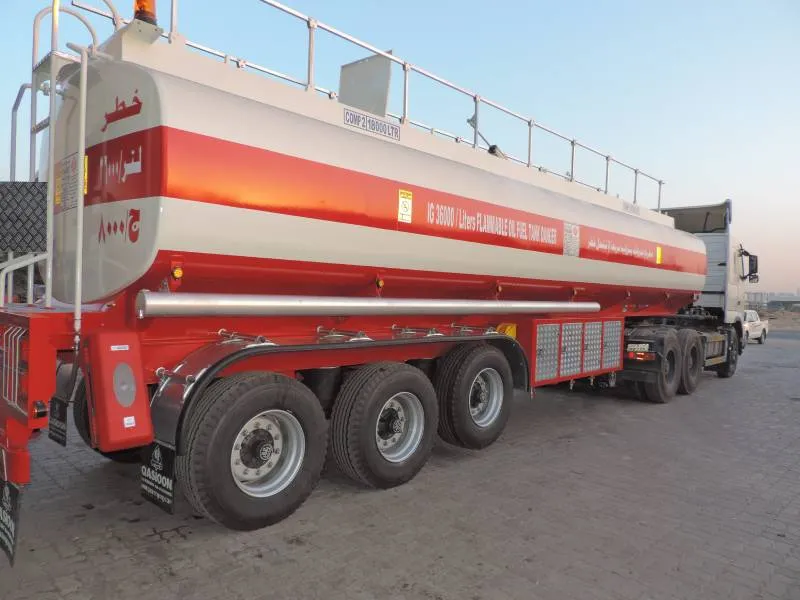
Industrial success is often measured by output, efficiency, and operational continuity. Yet behind these measurable outcomes lies something equally important—engineering quality. Across sectors such as infrastructure, manufacturing, utilities, and energy, specialized equipment determines how smoothly operations run under demanding conditions. In the UAE’s fast-growing industrial landscape, businesses increasingly invest in engineered systems that combine durability, safety, and performance.
Equipment designed for liquid handling and heavy-duty industrial services has become especially valuable as operational demands continue to evolve. Solutions such as Vacuum Tanker UAE applications have become essential for industries requiring safe collection, transport, and disposal of industrial waste or liquid materials under controlled conditions.
The Rising Importance of Specialized Industrial Systems
Modern industrial operations are far more complex than they were a decade ago. Businesses manage tighter project schedules, stricter regulations, and greater pressure to improve cost efficiency.
This environment demands equipment capable of supporting uninterrupted performance.
Specialized industrial systems help organizations improve:
- Workflow efficiency
- Resource utilization
- Safety compliance
- Operational speed
- Maintenance planning
These advantages create stronger long-term operational stability.
Traditional systems often struggle to meet modern performance expectations.
Why Precision Engineering Matters
Engineering precision affects every aspect of equipment performance.
Even small design flaws can create significant operational issues over time. Poor load distribution, weak structural components, or low-quality fabrication may result in early failure.
Precision engineering helps eliminate such risks.
Well-designed equipment offers:
- Better structural balance
- Improved mechanical performance
- Higher durability
- Reduced maintenance frequency
- Greater safety margins
These benefits directly improve productivity.
Core Elements of High-Quality Equipment
Reliable industrial systems are built using carefully engineered components.
Structural Integrity
Strong frames and reinforced assemblies improve load stability.
Material Quality
Premium-grade metals increase resistance to wear and fatigue.
Mechanical Accuracy
Precision fabrication reduces inconsistencies in performance.
Safety Integration
Protective systems reduce operational hazards.
Together, these elements create equipment capable of performing under intense working conditions.
Harsh Environments Demand Better Equipment
The UAE presents unique challenges for industrial machinery.
Extreme heat, airborne dust, humidity, and continuous heavy-duty operation place constant stress on equipment systems.
Not every machine can perform reliably under such conditions.
Manufacturers must design equipment specifically for environmental resilience.
Common Operational Challenges
Industrial systems frequently encounter:
- High ambient temperatures
- Sand intrusion
- Corrosive conditions
- Extended operational hours
- Heavy load cycles
These factors accelerate wear if equipment is not properly engineered.
Durability becomes essential rather than optional.
Safety as a Critical Operational Priority
Safety is no longer just a compliance requirement—it is a strategic necessity.
Industrial accidents can lead to operational shutdowns, financial losses, and reputational damage.
Equipment design therefore plays a vital role in risk reduction.
Essential Safety Features
Modern industrial systems often include:
- Pressure monitoring
- Emergency shut-off controls
- Leak prevention systems
- Reinforced seals
- Overload protection
Safety-focused engineering reduces risk across operations.
Reliable safety systems protect workers, assets, and surrounding environments.
Technology Driving Operational Excellence
Technology has transformed industrial equipment dramatically.
Traditional machinery relied heavily on manual operation and reactive maintenance. Today, smart systems provide real-time insights into equipment performance.
This improves both efficiency and decision-making.
Smart Features in Modern Equipment
Advanced industrial systems increasingly use:
- Sensor-based monitoring
- Digital dashboards
- Automated control systems
- Performance diagnostics
- Predictive maintenance tools
These technologies improve operational visibility.
Predictive Maintenance Advantages
Reactive repairs are costly and disruptive.
Predictive maintenance helps detect early warning signs before major breakdowns occur.
Benefits include:
- Reduced downtime
- Lower repair costs
- Extended service life
- Improved planning
This proactive approach enhances long-term reliability.
Cost Efficiency Beyond Purchase Price
Many buyers make procurement decisions based only on initial cost.
However, the real value of industrial equipment lies in lifecycle performance.
Low-cost machinery often leads to expensive long-term problems.
Hidden costs may include:
- Frequent repairs
- Spare part replacement
- Lower productivity
- Higher energy use
- Operational delays
These expenses quickly reduce any upfront savings.
Evaluating True Ownership Cost
Businesses should assess more than the purchase invoice.
Important considerations include:
- Expected lifespan
- Maintenance intervals
- Downtime risk
- Fuel or energy efficiency
- Resale value
This broader analysis leads to smarter investments.
Sustainability and Industrial Innovation
Sustainability has become a major focus across industrial sectors worldwide.
Organizations increasingly seek equipment that reduces environmental impact while maintaining performance.
Modern engineering supports sustainability through improved efficiency and smarter resource use.
Sustainable Design Priorities
Manufacturers now focus on:
- Reduced emissions
- Leak prevention
- Lower energy consumption
- Longer equipment lifespan
These improvements support both regulatory compliance and operational savings.
Sustainability is becoming a competitive advantage.
Choosing the Right Manufacturing Partner
The quality of industrial equipment depends heavily on the expertise behind its design and production.
Selecting a manufacturer should involve more than comparing specifications.
A strong manufacturing partner provides engineering insight, customization, and dependable support.
Key Evaluation Factors
Before making a purchase, businesses should consider:
Technical Expertise
Strong engineering improves equipment reliability.
Quality Control
Rigorous testing ensures consistent performance.
Customization Capability
Tailored systems better fit operational needs.
Service Support
After-sales assistance reduces long-term risk.
The right partnership improves business resilience.
Looking Toward the Future
Industrial sectors will continue evolving as automation, sustainability, and intelligent engineering reshape operational expectations. Businesses that invest in advanced equipment today position themselves for stronger productivity tomorrow.
The future of industrial operations will depend heavily on machinery that combines performance with safety and efficiency. As industrial applications grow more complex, specialized engineering becomes increasingly important. Solutions designed by an experienced Pressure Vessel Manufacturer will continue supporting critical industries where controlled pressure handling, structural integrity, and uncompromising safety standards remain essential to long-term success.
Related Reading
Why Business & Finance is Transforming the Global Industry Landscape
Welcome to our in-depth exploration of Business & Finance. In an era defined...
Expert Insights: Navigating the Complex World of Business & Finance
Welcome to our in-depth exploration of Business & Finance. In an era defined...