Inside the GE Application Control Layer Board for Turbine Control
By George Philips
128 Views
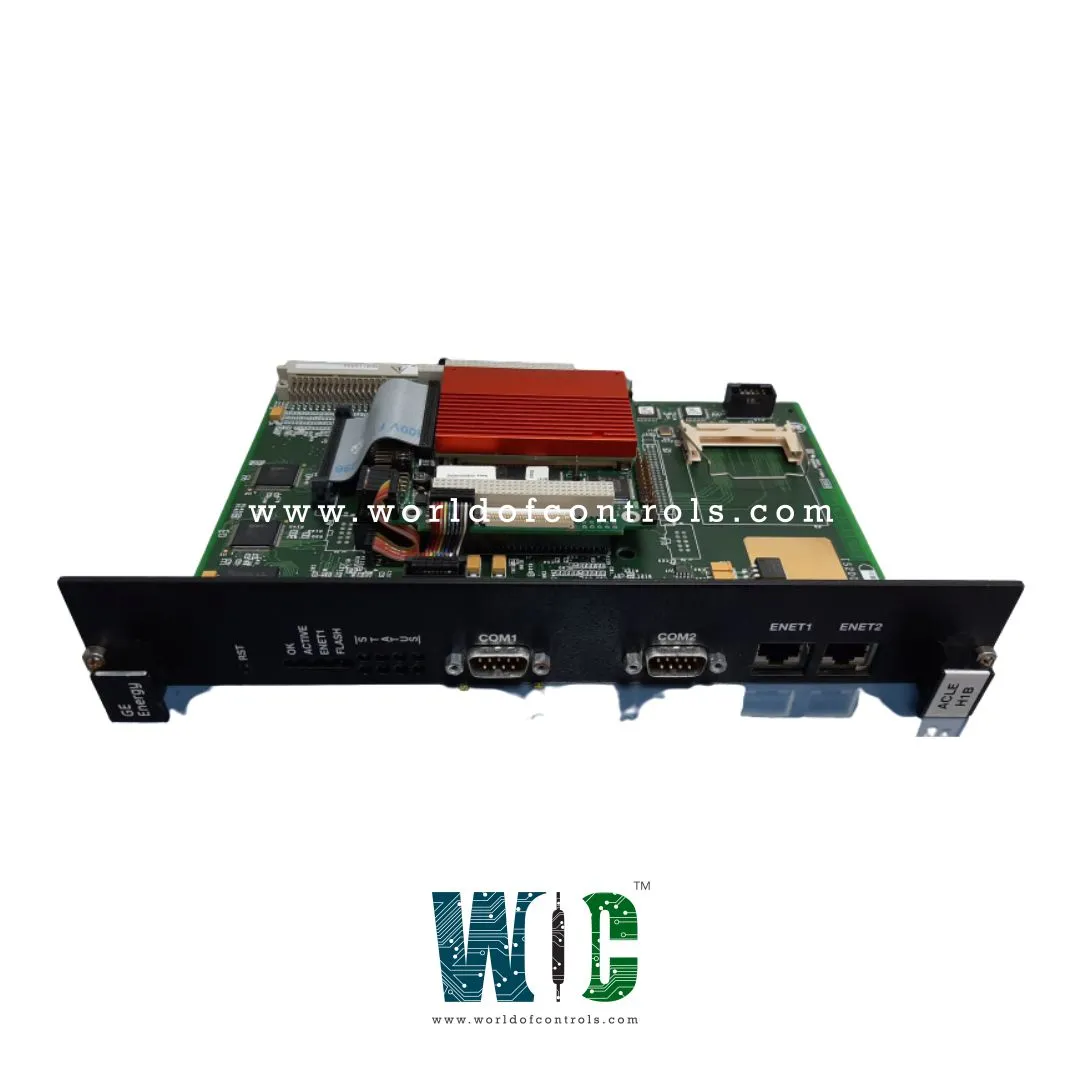
Modern gas and steam turbines rely on sophisticated control systems to ensure safe, efficient, and reliable operation. At the core of these systems are advanced electronic control boards that process operational data, execute control logic, and coordinate communication between various system components. Among these, the GE Application Control Layer Board plays a crucial role in supporting the performance and stability of industrial turbine control systems.
Whether used in power generation, oil and gas facilities, or heavy industrial plants, this control board helps maintain precise turbine operation while minimizing downtime and improving system efficiency.
What Is a GE Application Control Layer Board?
A GE Application Control Layer Board is an integral component of turbine control systems designed to execute application-level control functions. It processes operational logic, manages data flow between hardware modules, and supports communication across the control architecture.
Unlike field devices that directly interact with sensors and actuators, the control layer board acts as the system's processing engine. It analyzes incoming information, executes programmed control strategies, and coordinates responses that help turbines operate safely under varying load conditions.
This intelligent processing capability is essential for maintaining consistent turbine performance in demanding industrial environments.
Key Functions in Turbine Control Systems
The GE Application Control Layer Board performs several critical tasks that contribute to reliable turbine operation.
Application Logic Execution
The board processes control algorithms that regulate turbine functions, ensuring operating sequences are carried out accurately and efficiently.
Real-Time Data Processing
It continuously receives and processes information from sensors, controllers, and input/output modules, enabling rapid decision-making during normal operation and changing process conditions.
Communication Between Control Modules
Modern turbine control systems rely on seamless communication among processors, I/O modules, operator interfaces, and supervisory systems. The control layer board facilitates this data exchange, ensuring synchronized system performance.
System Reliability
Designed for industrial environments, the board supports continuous operation with high processing accuracy, helping reduce interruptions and maintain stable turbine performance.
Applications Across the Turbine Industry
The GE Application Control Layer Board is commonly used in industrial environments where turbine reliability is essential. Typical applications include:
- Gas turbine control systems
- Steam turbine automation
- Combined-cycle power plants
- Industrial power generation facilities
- Oil and gas processing plants
- Large manufacturing operations
In these settings, reliable control hardware helps optimize operational efficiency while supporting safe and continuous plant operations.
Benefits for Plant Operators
A high-performance control layer board provides several operational advantages, including:
- Improved turbine reliability
- Faster execution of control commands
- Enhanced communication between system components
- Better system monitoring and diagnostics
- Reduced unplanned downtime
- Increased operational efficiency
- Simplified maintenance and troubleshooting
These benefits enable maintenance teams to identify potential issues more quickly while helping operators maintain optimal turbine performance.
Why Choosing the Right Control Board Matters
Control boards are fundamental to the overall health of a turbine automation system. Selecting compatible, high-quality components helps ensure seamless integration with existing control architecture and minimizes the risk of unexpected failures.
Routine inspection, preventive maintenance, and timely replacement of aging electronic components contribute to longer equipment life and improved plant reliability. Working with experienced automation professionals further ensures that turbine control systems continue to operate at peak performance.
Conclusion
The GE Application Control Layer Board is a critical component within modern turbine control systems, providing the processing power and communication capabilities needed for efficient industrial operations. By executing application-level control logic, managing real-time data, and supporting reliable system coordination, it helps ensure turbines perform safely and consistently under demanding operating conditions.
As industrial facilities continue to prioritize reliability, efficiency, and predictive maintenance, the GE Application Control Layer Board remains an essential element in achieving dependable turbine performance and long-term operational success.
Related Reading
Why Business & Finance is Transforming the Global Industry Landscape
Welcome to our in-depth exploration of Business & Finance. In an era defined...
Expert Insights: Navigating the Complex World of Business & Finance
Welcome to our in-depth exploration of Business & Finance. In an era defined...