Why IT Teams Are Rebuilding Their Toolkits Around Access and Data Control in 2026
By Maya Bayers
160 Views
If there's one theme running through IT strategy in 2026, it's this: access control and data visibility aren't side projects anymore, they're the job. AI assistants touch more systems, regulators expect proof instead of promises, and one leaked credential can undo years of trust. Here are five tools shaping how modern teams are approaching that shift.
Start with who can get in
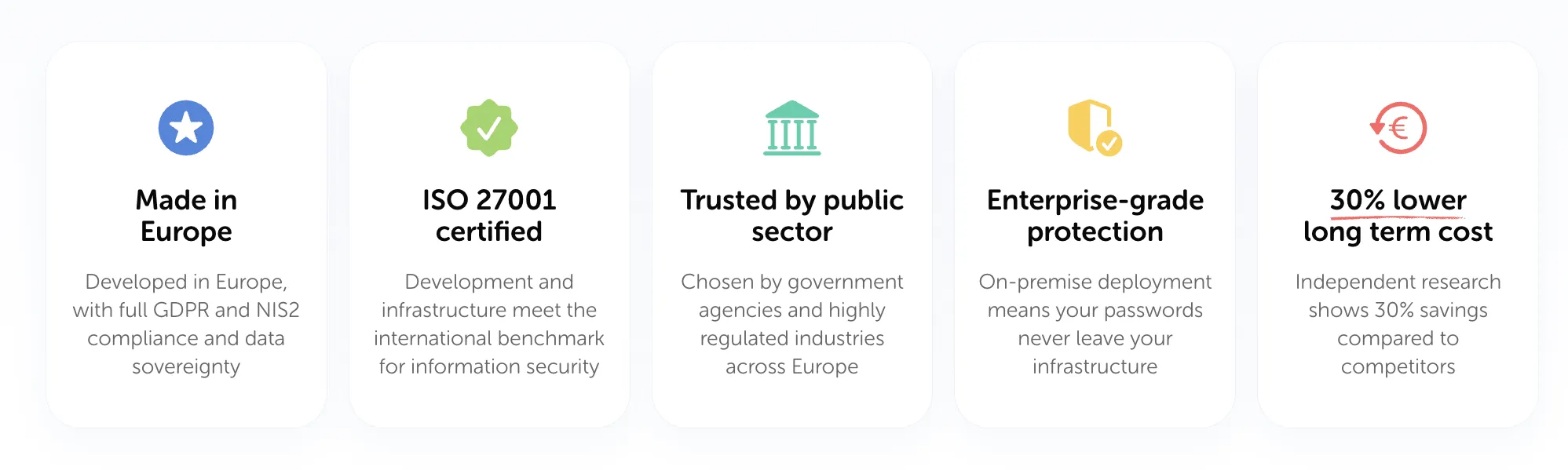
Passwork is a self-hosted password and secrets manager designed for businesses that want full control over where their credentials physically live. It's ISO 27001 certified, supports LDAP/Active Directory and SSO, and includes a secrets management API for CI/CD, Kubernetes, and containerized apps — so DevOps teams get HashiCorp-style secret injection without the HashiCorp-style pricing.
Then prove it's actually working
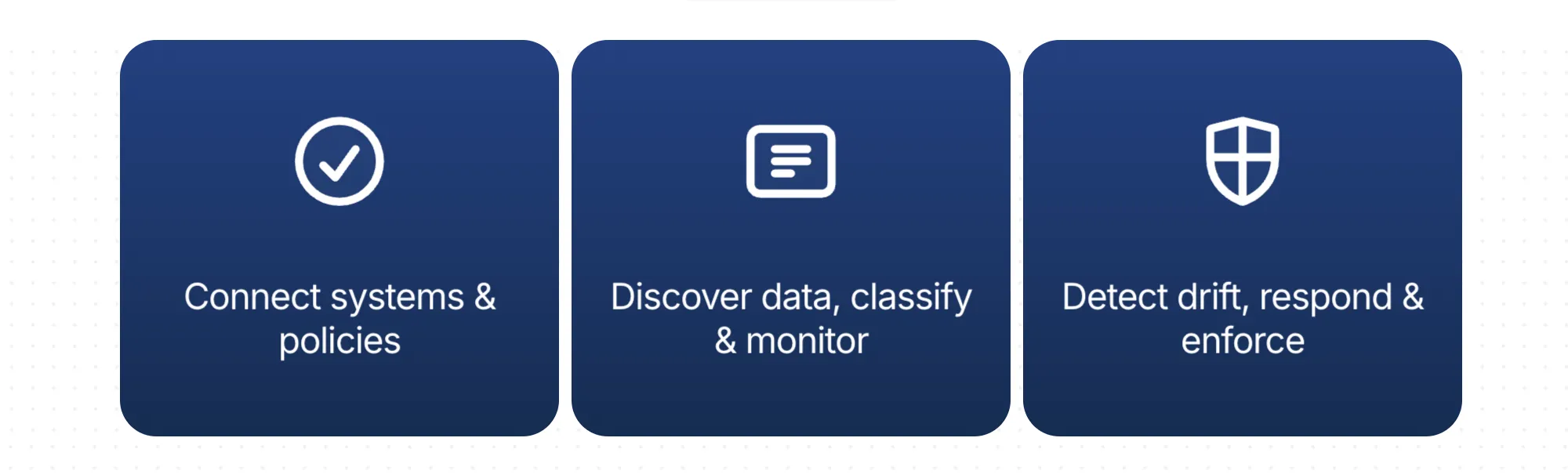
Having good access policies on paper is one thing; proving they're followed in practice is another. Qala continuously reconciles your written policies against what's actually happening in your code, APIs, and data flows, flagging drift — like an unencrypted field or an unexpected data path — before it turns into a real incident. It maps evidence to frameworks including SOC 2, ISO 27001, GDPR, and the EU AI Act, which is quickly becoming required reading for anyone running AI features in 2026.
Moving support data without losing the thread
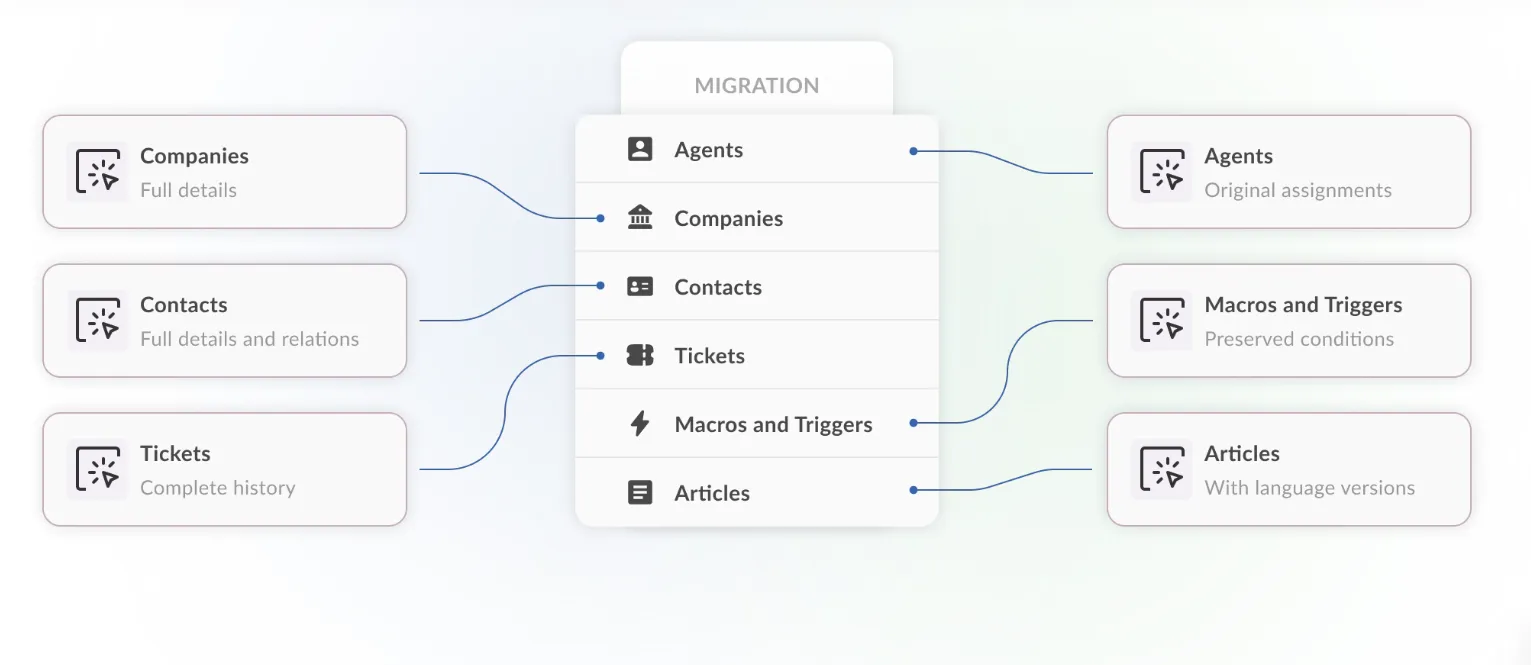
Switching your help desk platform used to mean weeks of manual exports and a prayer that nothing got lost. Help Desk Migration by Relokia automates the whole process across 90+ platforms — Zendesk, Freshdesk, ServiceNow, Jira Service Management, and more — with zero downtime and a detailed integrity report on every record that moved, transformed, or got skipped, plus a private-cloud option for teams under HIPAA or strict data-residency rules.
Protecting the platforms where your product actually lives
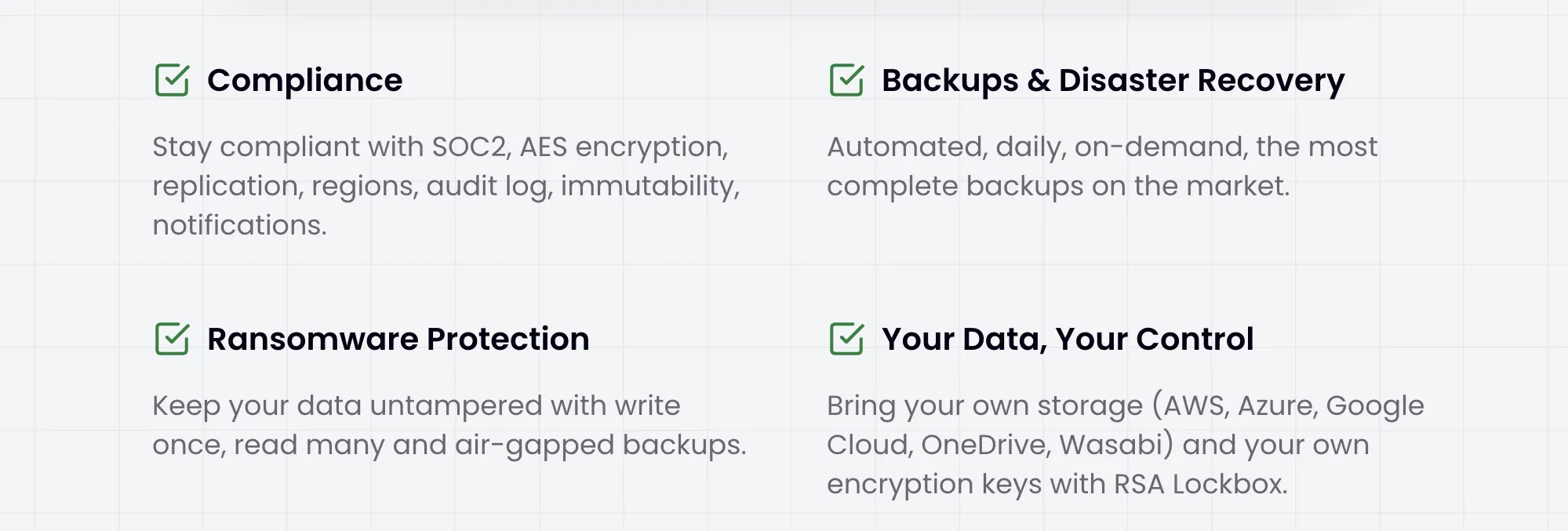
Access and support tickets matter, but so does the code itself. Cloudback provides automated daily backups for GitHub, GitLab, Azure DevOps, and Linear — repositories, issues, and metadata included — with ransomware-resistant, write-once storage and support for bringing your own cloud storage and encryption keys.
And the infrastructure holding all of it up
Underneath every access policy and every backup job sits actual hardware. Serverion offers dedicated servers, VPS, and colocation across more than 30 global data centers, with hardware and software firewalls, round-the-clock monitoring, and backups baked into its standard service — the unglamorous foundation everything else depends on.
Put together, these tools point to where IT operations are heading in 2026: less about reacting to problems, more about having continuous proof that things are under control.