Landscape Design in Anne Arundel County, MD: A Beginner's Guide to Planning Your Outdoor Space
By David Lesner
71 Views
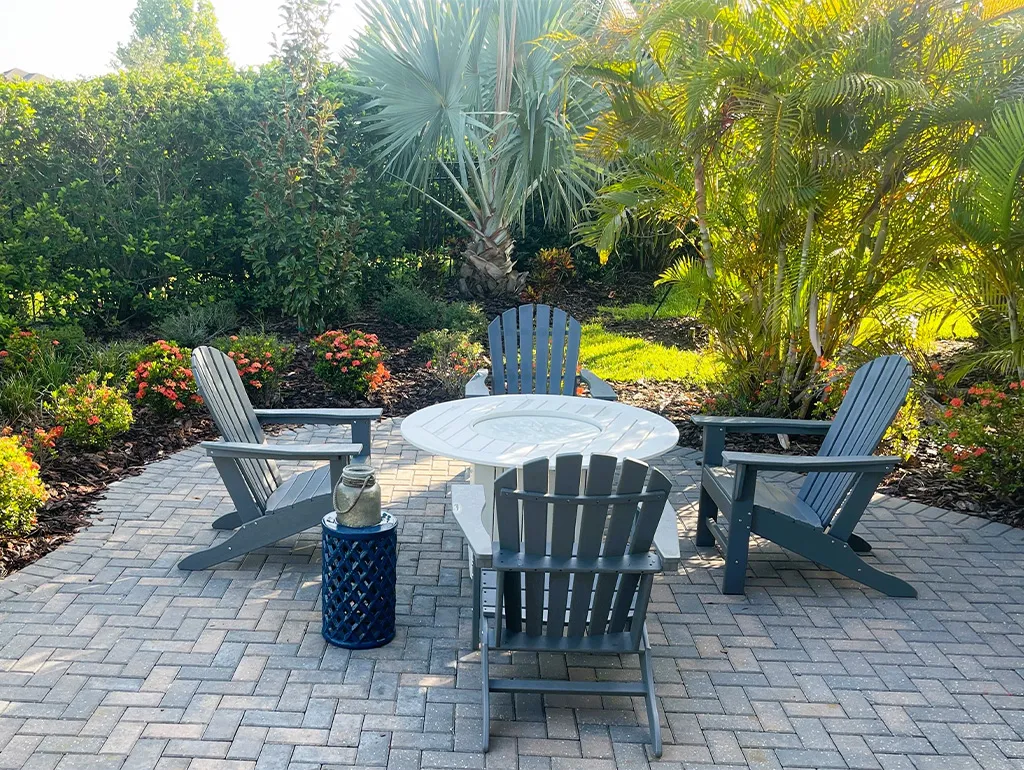
Planning an attractive outdoor space starts with understanding how your property can be used, improved, and maintained over time. A thoughtful landscape can provide areas for relaxing, entertaining, gardening, dining, and enjoying nature while complementing the architecture of your home. Landscape design Anne Arundel County MD homeowners choose should account for the property's layout, drainage, sunlight, soil, existing vegetation, and intended use. Starting with a clear plan can help prevent costly changes and create an outdoor environment that feels natural rather than overcrowded.
Start With Your Outdoor Living Goals
The first step in landscape planning is deciding how you want to use your yard. Some homeowners want a peaceful garden with attractive planting beds, while others need space for entertaining, children, pets, outdoor dining, or recreational activities. Make a list of the features that matter most before discussing the project with a professional. This might include patios, walkways, privacy screening, fire features, outdoor kitchens, retaining walls, lighting, or dedicated garden areas.
Think about how your outdoor space connects to the interior of your home as well. A patio near the kitchen may be convenient for outdoor dining, while a secluded seating area may work better farther from the main living areas. Consider the paths people naturally take through the yard and whether furniture or planting beds could interfere with movement. Planning around everyday habits can make the finished landscape more comfortable and practical.
Evaluate Your Property Before Designing
Every property has characteristics that influence landscape design. Examine the amount of sunlight different areas receive, identify existing trees and plants worth preserving, and observe where rainwater travels after storms. Slopes, low areas, compacted soil, narrow access points, and existing structures may also affect what can realistically be installed. A professional landscape assessment can identify conditions that may not be obvious when viewing the property casually.
Drainage deserves particular attention in Anne Arundel County. County guidance explains that grading permits or a Standard Grading Plan can be required when projects involve ground disturbance, depending on the project's scope and site conditions. The county also emphasizes careful consideration of existing and proposed elevations, runoff, and drainage patterns in grading plans. This makes site evaluation an important part of responsible landscape planning.
Choose Plants for the Local Environment
Plant selection should be based on more than color and appearance. Consider sunlight, soil conditions, available moisture, mature plant size, seasonal interest, and the amount of maintenance you are prepared to provide. Selecting plants that are appropriate for the property's conditions can make the landscape easier to maintain and help it remain attractive through changing seasons. A professional can also help arrange plants according to height, texture, bloom periods, and visual balance.
Avoid designing planting beds around temporary appearances alone. A small tree or shrub can eventually become much larger and interfere with walkways, structures, utilities, or views if it is planted in the wrong location. Think about mature dimensions before installation and leave appropriate space for growth. Layering trees, shrubs, ornamental plants, and groundcovers can also create depth while reducing the need to fill every available area with individual decorative features.
Balance Softscape and Hardscape Features
A successful landscape usually combines softscape elements, such as plants and lawns, with hardscape features, including patios, walkways, steps, retaining walls, and seating areas. Hardscaping can define spaces and improve usability, while plants soften built surfaces and introduce seasonal color and texture. The two elements should be planned together instead of being treated as unrelated projects. This creates stronger visual connections between different areas of the property.
If your project includes substantial stonework or structural outdoor features, a hardscape contractor Annapolis MD homeowners can work with may be involved in the construction phase. Hardscape professionals can install features such as patios, walkways, retaining walls, and other built elements while coordinating them with the landscape plan. When selecting a contractor, ask about site preparation, drainage, material options, construction methods, and previous projects. Understanding how the hardscape will interact with planting areas is essential for a cohesive final result.
Plan for Drainage and Long-Term Performance
Water management should be considered before installing large patios, walls, planting beds, or changes in grade. Poorly planned grading can cause water to collect in unwanted areas or move toward structures and neighboring properties. Anne Arundel County has specifically highlighted concerns involving wet yards, poor grading, changed elevations, and runoff impacts, emphasizing the importance of considering existing and proposed drainage conditions during design.
Your landscape plan should therefore consider where water comes from, where it naturally travels, and where it should safely go. Depending on the property, the solution could involve grading, drainage features, appropriate planting, permeable surfaces, or other site-specific measures. Not every yard requires the same approach, and drainage installations should be based on actual property conditions. Addressing water management early can protect hardscape features and help preserve the health of planting areas.
Understand Permits and Property Requirements
Not every landscaping project requires the same approvals. Anne Arundel County states that permit requirements depend on the scope and nature of the proposed work, and additional building, grading, trade, or other approvals may apply depending on the project. Homeowners can use the county's permitting resources to evaluate their specific property and project before beginning construction.
Permitting becomes particularly important when landscape work involves significant grading, structural features, drainage systems, retaining walls, or other construction. Ask your landscape professional which parts of the project may require permits and who will handle the applications. Do not assume that a project is exempt simply because it is described as landscaping. Confirming requirements before construction begins can help prevent delays, redesigns, or compliance issues later.
Create a Practical Budget and Maintenance Plan
A landscape budget should include more than plants and decorative materials. Excavation, soil preparation, drainage, hardscaping, irrigation, lighting, planting, grading, delivery, labor, and cleanup can all contribute to the final cost. Request a detailed proposal that separates major components so you can understand where your investment is going. If the project is too large to complete at once, consider developing a master plan and installing the work in logical phases.
Maintenance should also influence the design from the beginning. Consider how much time you want to spend watering, pruning, weeding, mulching, cleaning hardscape surfaces, and caring for seasonal plants. A beautiful landscape that requires more maintenance than you can realistically provide may become difficult to manage. Choosing appropriate plants, accessible planting beds, efficient irrigation, durable materials, and practical layouts can make long-term care considerably easier.
Choose the Right Landscape Professionals
When comparing professionals, look for relevant experience rather than choosing solely according to price. Ask to see examples of projects similar to yours and discuss how the contractor approaches grading, drainage, plant selection, hardscape installation, and project coordination. A reliable professional should be able to explain why particular materials or design solutions are appropriate for your property. Clear communication is especially important when several different outdoor features are being installed together.
A landscape design Anne Arundel County MD project should ultimately reflect the property's conditions and the homeowner's lifestyle rather than following a generic template. Whether you are creating a garden retreat, renovating a backyard entertainment area, or combining planting with patios and structural hardscaping, thoughtful planning makes a significant difference. Working with experienced professionals, addressing drainage and permitting early, selecting suitable materials and plants, and planning for future maintenance can help you create an outdoor space that remains functional, attractive, and enjoyable for years to come.