Legal Tech in 2026: How Software Is Finally Making Consumer Justice Simple
By Maya Bayers
133 Views
For years, getting money back from a company that wronged you meant paperwork, lawyers, and months of waiting. In 2026, that picture is changing fast. A new wave of legal tech platforms is turning complicated legal processes — class action claims, consumer complaints, contract review — into a few clicks. Here's a look at five tools reshaping how ordinary people and legal teams get things done.
Recovering Money From Class Action Settlements
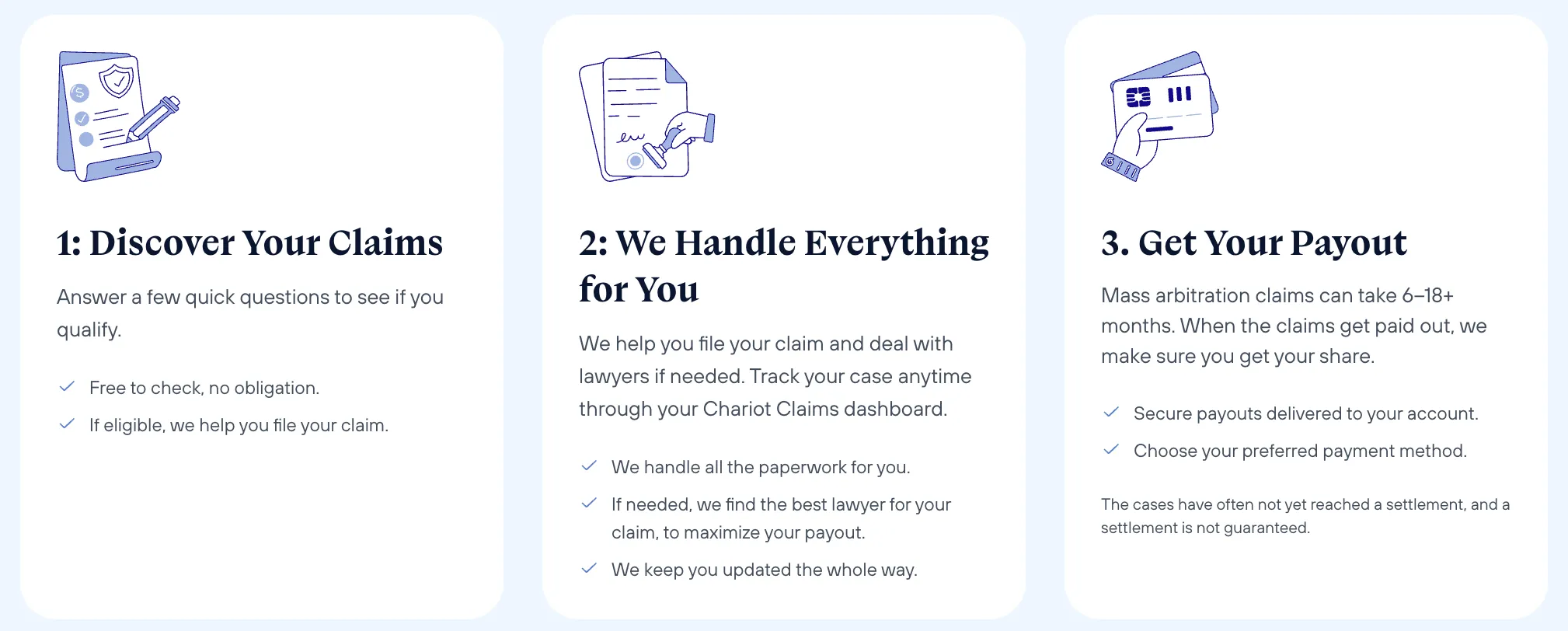
Every year, corporations set aside billions of dollars to settle class action lawsuits — and most of it goes unclaimed simply because people never find out they qualify. Chariot Claims tackles this gap directly. Its platform scans active mass actions and class actions, checks whether a user is eligible, files the paperwork, and manages the claim through to payout — all without any upfront cost. The company connects claimants with real law firms and positions itself as a bridge between consumers and the settlement money that often never reaches them.
A Similar Mission, a Different Approach
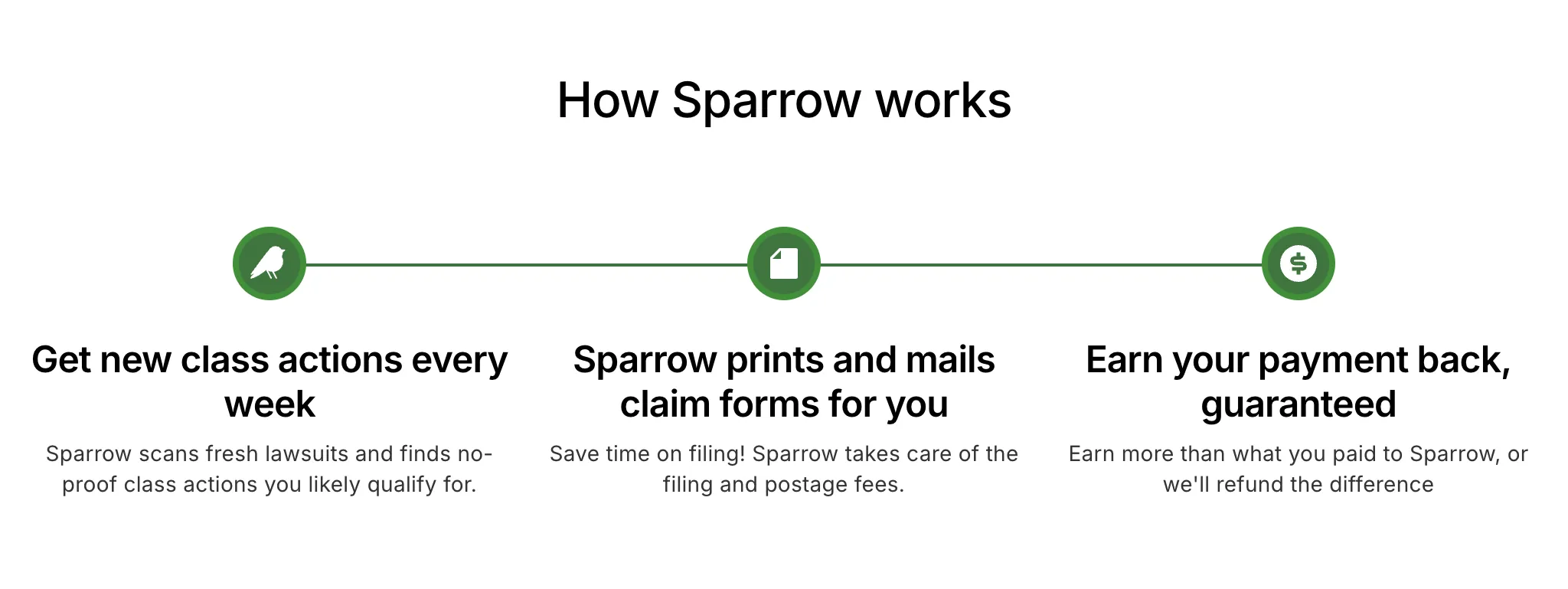
Sparrow works in the same space but leans more on automation and monitoring. It continuously scans new class action settlements, flags "no proof required" claims a user is likely eligible for, and handles the filing and paperwork on their behalf. For people who don't want to comb through settlement websites themselves, it acts as an early-warning system for unclaimed compensation.
Giving Consumers a Voice Beyond the U.S.
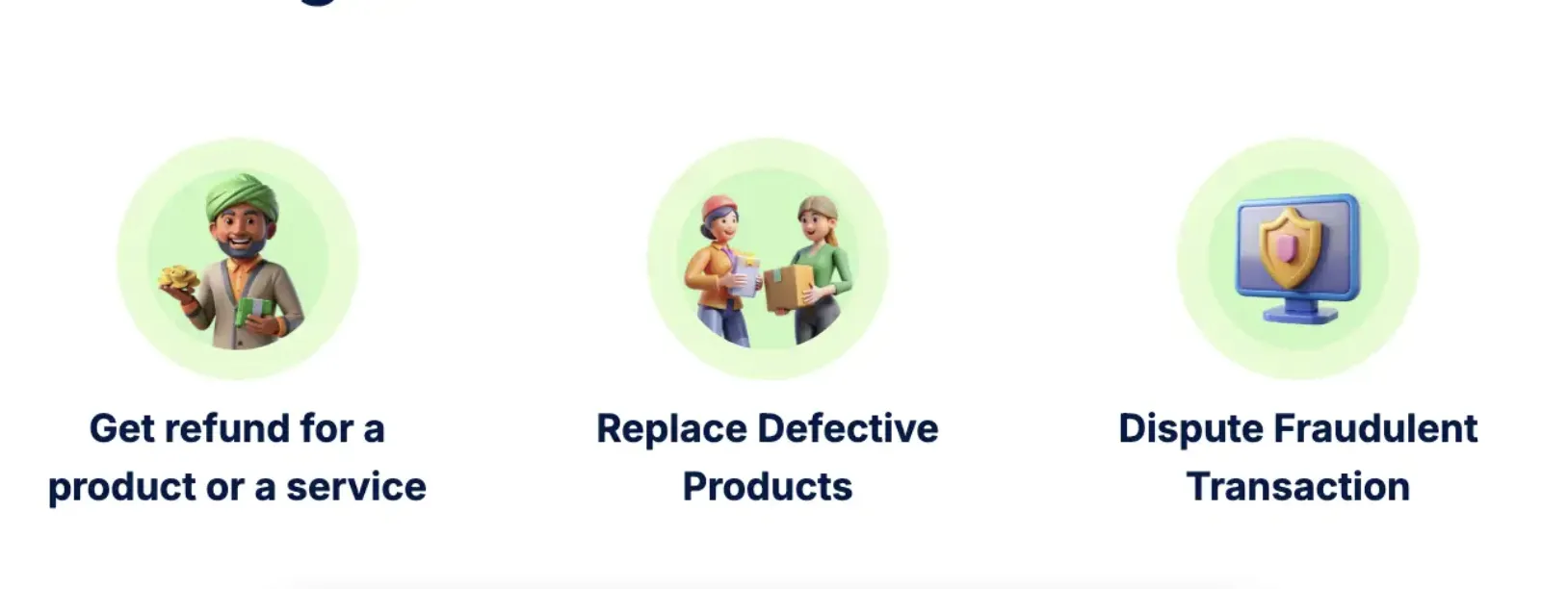
Consumer claims platforms aren't only a U.S. story. In India, Shikayathai has built a platform where users can file complaints against brands, track resolution rates, and push companies toward accountability without needing to understand legal procedure. It has become a go-to channel for shoppers dealing with defective products, unresolved refunds, or unresponsive customer service — turning individual frustration into visible pressure on businesses.
AI Moving Into the Law Firm Itself
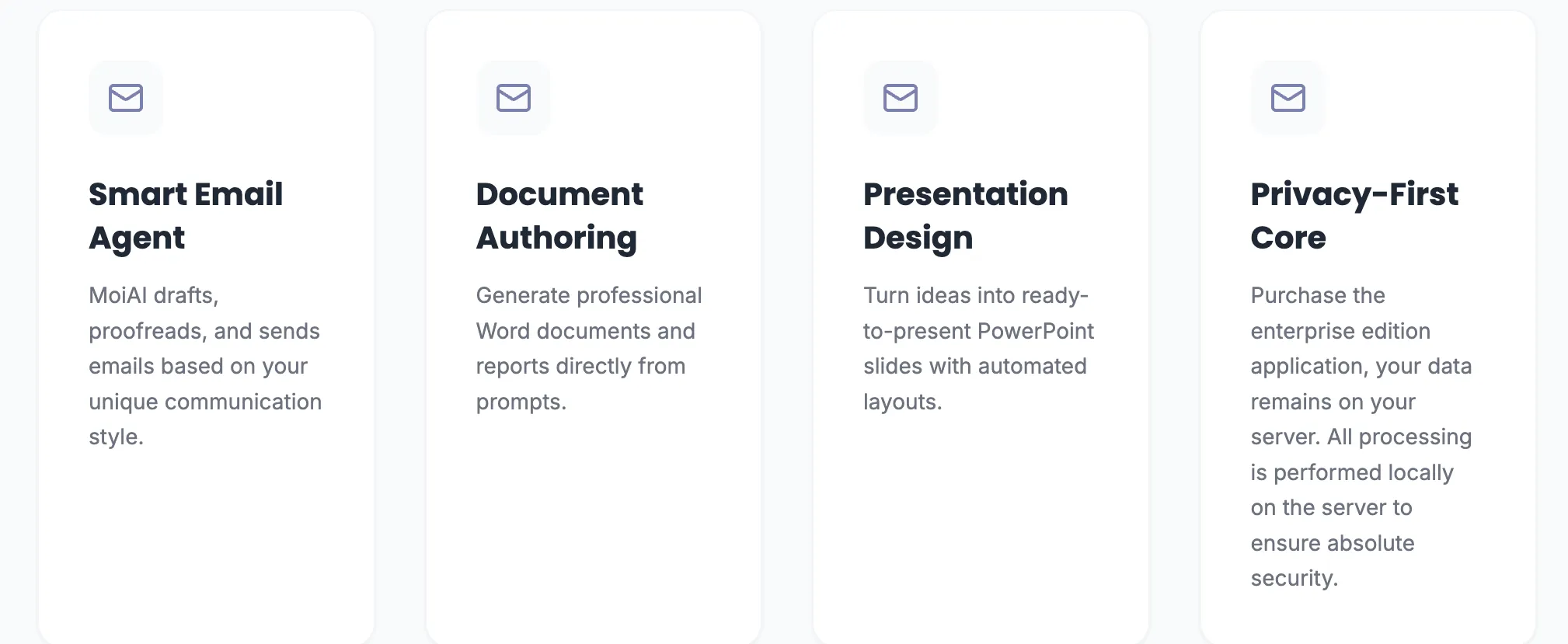
While the platforms above focus on consumers, Moi AI, built by Haiclaud Technology Limited, is aimed at legal professionals. It's a privacy-first AI assistant that drafts contracts in a firm's own style, reviews documents directly inside Microsoft Word, and can run entirely offline using local document libraries — meaning sensitive client data never has to leave the device. With separate assistants for drafting, reviewing, summarizing, and research, it's designed to cut down the hours lawyers spend on repetitive paperwork.
Do-It-Yourself Legal Documents
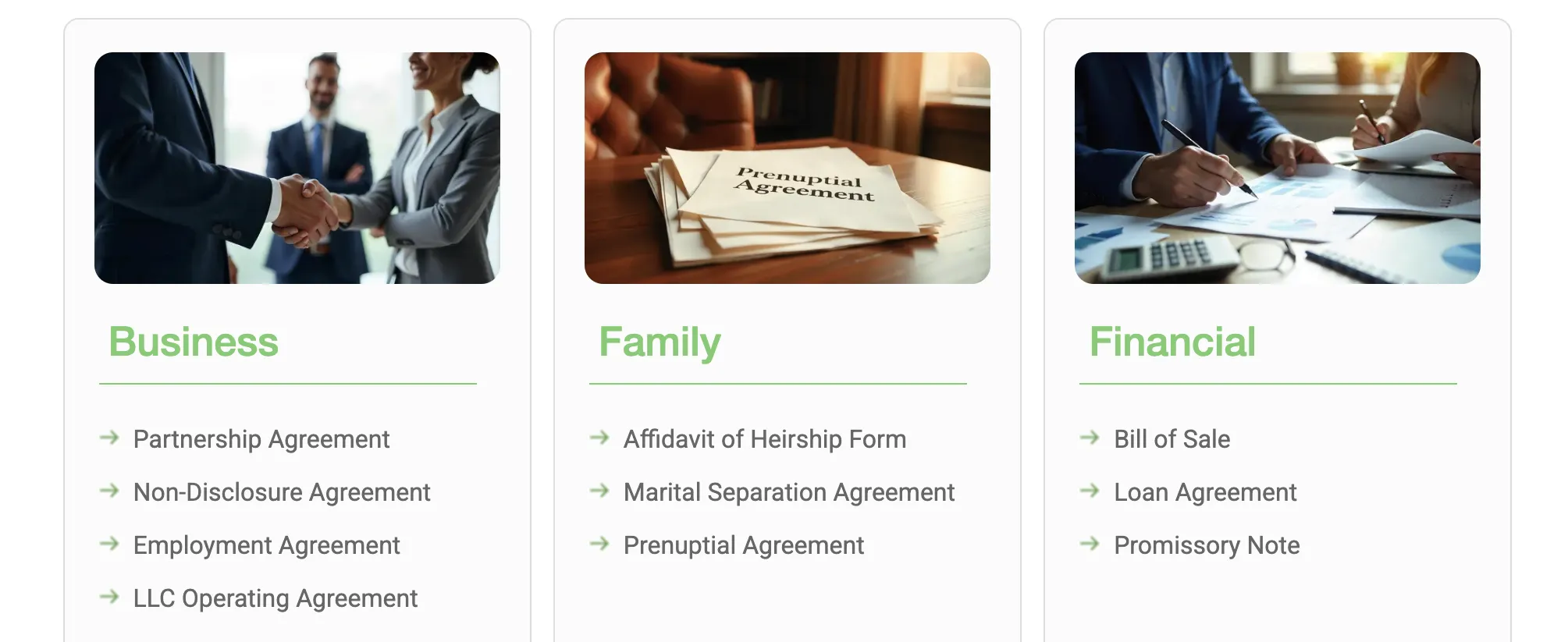
Not every legal need requires a lawyer or a claims platform. Forms Legal offers a library of attorney-crafted templates — wills, leases, trusts, loan agreements, and more — covering all 50 U.S. states. It's built for people who want a reliable starting point for common paperwork without guessing at formatting or legal language.
The Bigger Picture for 2026
Together, these tools point to a clear trend: legal technology is no longer just for law firms. It's moving toward consumers directly, lowering the barrier between "you're owed something" and "you actually got it." Whether it's unclaimed settlement money, an unresolved complaint, or a document you need drafted correctly, there's now software built specifically for that job.