Lightning Protection Matters For Buildings Businesses Singapore
By Tomsan Toms
147 Views
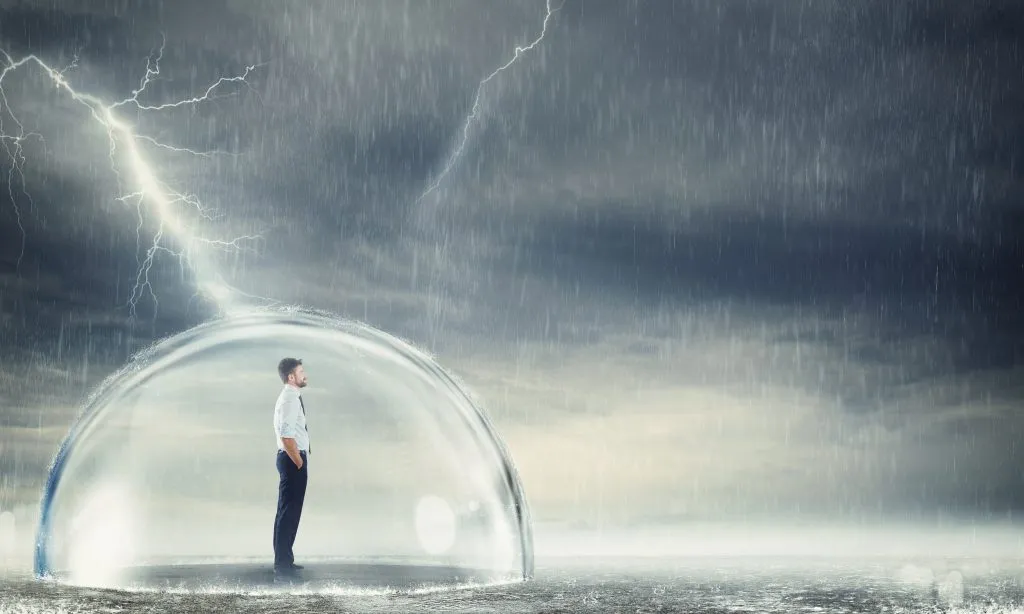
When today’s structures rely more on electronics, needing expert storm surge defense rises. Since electrical setups fill offices and homes, guarding against strikes turns essential. With gadgets everywhere, safety steps help keep equipment working.
Lightning Protection in Today's Buildings
Storms don’t care where they strike, safeguarding homes, businesses, shops, factories make sense. Lightning protection matters isn’t just a backup plan it becomes part of how buildings stand up to sudden surges. A distant lightning flash might send surges through modern structures. These spaces now rely on delicate electronics think computers, surveillance gear, data hubs, network lines, even smart tools running day by day.
The Role of a Lightning Protection System Supplier in Singapore
Buildings stay safe when struck by lightning because a Lightning Protection System Supplier Singapore offers focused protection systems. These setups guard structures using targeted methods meant to reduce harm caused by sudden electrical strikes. Safety improves significantly since each solution fits specific facility needs precisely.
Lightning Inspection Matters
Besides setup, keeping a Lightning inspection system safe means checking it often. Without routine visits by inspectors, even the best gear might fail when needed most. When nature wears things down, rust creeps in, storms pass through, yet shifts in shape go unchecked performance slips. Hidden forces like damp air or slow decay chip away unless someone pays attention.
The Rising Role of Lightning Warning Systems
Sensors can spot electric shifts building up ahead of a storm. When the sky starts to crackle with energy, alerts go out giving teams time to shift gears. Storms aren’t sneaky anymore; Lightning warning system pop long before the first bolt hits. Safety moves faster because data arrives early, quietly changing how work flows under dark clouds.
Lightning Risk Overview
Most sites check Lightning risk assessment first, because knowing the danger helps pick the right safeguards. Not every building need heavy shielding some get by with less. A proper look at local weather patterns often shapes what kind of setup goes in. Without that review, choices might be too weak or needlessly strong. Protection levels depend on more than guesswork they follow guidelines shaped by past strikes. Getting it wrong could mean damage when storms hit.
Lightning Maintenance Matters
Just like other safety setups, lightning protection needs consistent upkeep to work properly.Faulty upkeep opens the door to rust, shaky links, weather harm messing up how well things run. Regular lightning maintenance helps prevent damage and keeps systems safe. When things work right, they hold up better as weather turns rough.
Conclusion
When storms hit often, like they do in Singapore, staying safe means paying attention to how equipment handles sudden strikes. Since gadgets and machines play bigger roles every day, guarding against surges isn’t just smart it follows naturally from how much we rely on power. Places where people work notice shifts when lights flicker or devices fail. Safety grows out of practical choices, not grand plans.