Modern Dining Room Furniture Buying Guide: Tables, Chairs, and Storage Explained
By Mason Liam
4 Views
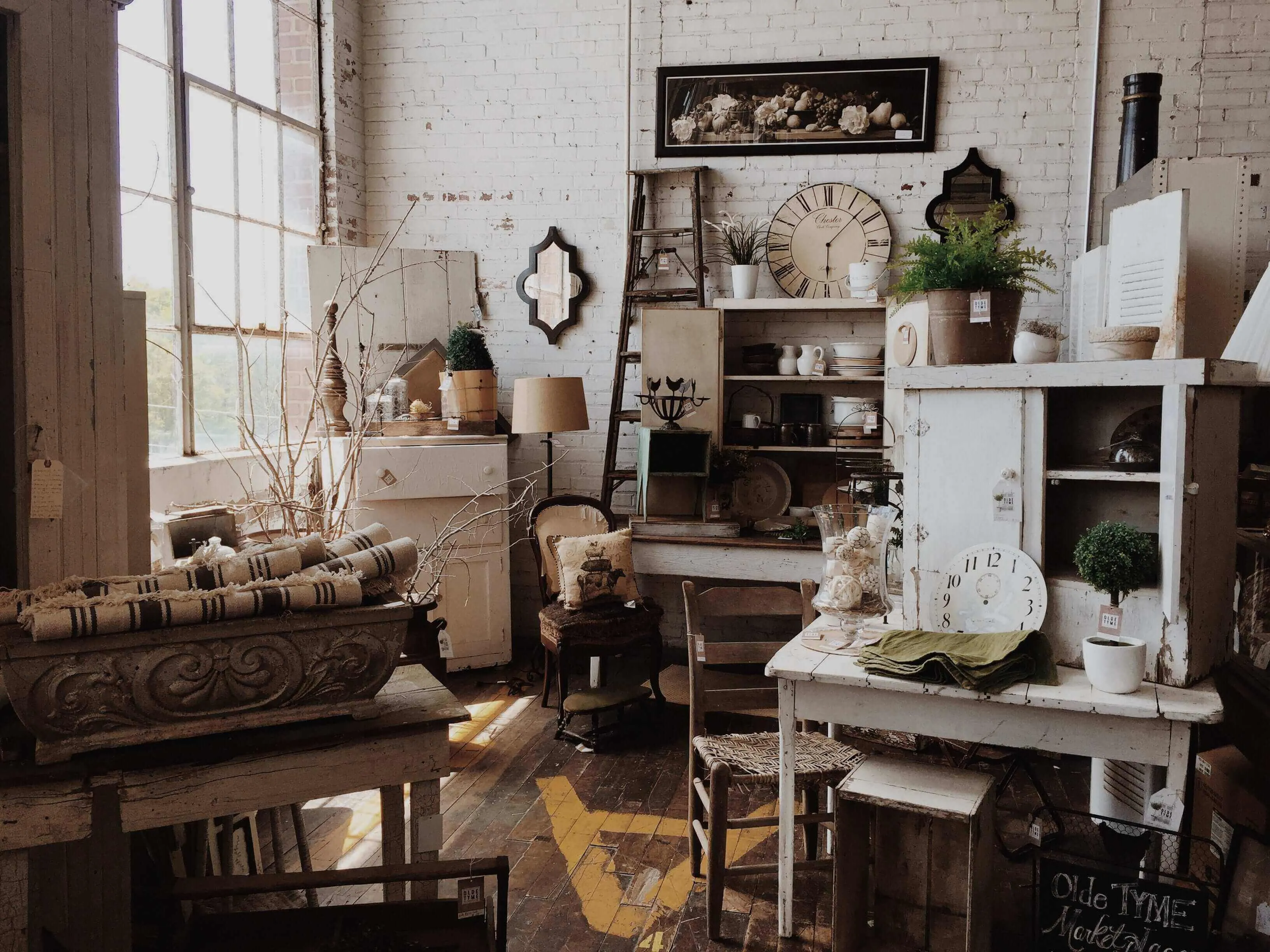
Choosing the right dining furniture can transform an ordinary eating area into a comfortable, stylish, and functional part of your home. Modern dining room furniture offers a wide range of designs, from minimalist dining tables and upholstered chairs to practical storage cabinets and elegant sideboards. However, finding the right combination requires more than selecting pieces that look attractive in a showroom. Room dimensions, household needs, material quality, and decorating preferences all influence the final decision. This buying guide explains how to choose dining tables, chairs, storage solutions, and decorative accents that create a balanced space while providing lasting everyday value.
Understanding Modern Dining Room Furniture and Its Benefits
Natural wood, metal, glass, stone, and upholstered fabrics are commonly used to create different looks, from warm and welcoming to sleek and sophisticated. Modern dining room furniture is characterized by clean lines, practical construction, balanced proportions, and a thoughtful combination of materials. Unlike heavily ornamented traditional designs, contemporary pieces often emphasize simplicity and functionality without sacrificing visual appeal. This flexibility makes modern furniture suitable for apartments, open-plan homes, and dedicated dining rooms. With the right selections, you can create an inviting environment that complements your existing interior design.
One of the main advantages of modern dining furniture is its adaptability. A streamlined dining table can work with different chair styles, while a simple sideboard can provide storage without dominating the room. Neutral finishes make it easier to update accessories as your preferences change, helping the space remain visually appealing over time. Many contemporary designs also prioritize efficient use of space, which is particularly helpful in smaller homes. Choosing versatile furniture allows you to enjoy a coordinated dining area without committing to a single rigid decorating style.
Before shopping, consider how your dining room functions throughout the day. Some households use the table primarily for meals, while others rely on it for homework, remote work, entertaining, or family activities. These different needs influence the ideal table size, chair comfort, and amount of storage required. Establishing your priorities early makes it easier to compare furniture options and avoid unnecessary purchases. A successful dining room should support your lifestyle first while expressing your personal sense of style.
How to Choose the Perfect Modern Dining Table
The dining table is usually the centerpiece of the room, so its size and shape deserve careful consideration. Rectangular tables are well suited to longer rooms and larger gatherings, while round tables encourage conversation and can work beautifully in compact spaces. Square tables may be appropriate for smaller households or rooms with balanced proportions. Extendable tables offer additional flexibility when you occasionally host guests but prefer a smaller everyday footprint. Before making a decision, measure the available floor space and consider how the table will relate to nearby furniture and walkways.
Allow enough room around the table for people to pull out their chairs and move comfortably. Approximately 36 inches of clearance is a useful starting point between the table and surrounding walls or furniture, although busy walkways may need more space. The number of people you regularly seat should also influence your choice. A table that comfortably accommodates four people may be insufficient for a family that frequently entertains six or eight guests. Measuring carefully before purchasing helps prevent overcrowding and ensures that the finished arrangement feels practical.
Material selection affects both the appearance and maintenance requirements of your table. Solid wood offers natural warmth and can often be refinished when its surface becomes worn. Glass can create a lighter visual effect, while stone introduces texture and a substantial, luxurious appearance. Engineered wood may provide an affordable alternative, but its durability depends on the quality of the core material and surface finish. Consider your household's habits, cleaning preferences, and budget when comparing options. The best dining table is one that combines attractive design with reliable construction and everyday usability.
Selecting Comfortable and Stylish Dining Chairs
Dining chairs should complement the table while providing appropriate support and comfort. Modern designs include wooden chairs, upholstered seats, molded plastic forms, metal frames, and combinations of different materials. Upholstered chairs can make long dinners more comfortable, while streamlined wooden chairs may be easier to clean and maintain. Chairs with open frames can create a lighter appearance in smaller rooms, helping the dining area feel less crowded. Choose a style that complements your table without making the room feel overly coordinated or visually repetitive.
Measurements are essential when selecting chairs. Most standard dining tables are approximately 28 to 30 inches high, and a seat-to-table gap of around 10 to 12 inches is generally comfortable for many adults. However, chair dimensions and table construction vary, so checking the actual measurements is important. Make sure there is sufficient space between neighboring chairs and that the chair arms, if present, fit beneath the tabletop when pushed in. Whenever possible, test the chairs before purchasing to assess their support, seat depth, and overall comfort.
Mixing chair styles can introduce personality into a modern dining room. For example, you could combine upholstered end chairs with simpler wooden chairs along the sides of a rectangular table. Alternatively, using the same chair design in two complementary colors can create visual interest while maintaining consistency. To keep the arrangement cohesive, repeat a material or finish elsewhere in the room. Comfort should remain the priority, particularly if the dining table also serves as a workspace or gathering place for extended family conversations.
Choosing Practical Storage for an Organized Dining Room
Storage furniture helps keep dining essentials organized while contributing to the room's overall appearance. Sideboards, credenzas, cabinets, and display units provide space for dinnerware, serving dishes, table linens, glassware, and entertaining accessories. A low sideboard can create a useful surface for serving food or displaying decorative pieces, while a cabinet with adjustable shelves can accommodate items of different sizes. The right storage solution depends on your available wall space and the belongings you need to store. Choosing furniture with practical compartments helps prevent clutter from accumulating around the dining table.
Consider both the size and placement of storage furniture before making a purchase. Measure the wall and ensure there is enough clearance for cabinet doors, drawers, and nearby walkways. In smaller dining rooms, a narrow sideboard or wall-mounted shelving may provide useful storage without taking up too much floor space. Larger rooms can accommodate a substantial credenza that balances the visual weight of the dining table. Keep the furniture's height and proportions in mind so the room feels balanced rather than dominated by oversized cabinets.
Material and finish should also influence your storage decision. A wooden sideboard can complement a dining table with a similar grain or tone, while a contrasting finish can create a more contemporary appearance. Metal details, simple handles, and clean cabinet fronts can reinforce a modern aesthetic without adding unnecessary decoration. Before purchasing, check drawer movement, hinges, shelf stability, and the quality of the finish. Practical storage should be durable enough for regular use while contributing to a cohesive dining room design.
Materials, Finishes, and Decorative Details That Complete the Look
The combination of materials and finishes determines much of a dining room's visual character. Wood introduces warmth, glass creates openness, metal adds definition, and stone provides texture and visual weight. You do not need to use every material in one room to achieve an interesting result. Instead, select two or three complementary finishes and repeat them thoughtfully throughout the space. For example, a walnut table, neutral upholstered chairs, and subtle black metal accents can create a balanced contemporary interior without appearing overly coordinated.
Lighting is another important element that influences both functionality and atmosphere. A pendant light above the dining table can establish a focal point while providing illumination for meals and conversations. The fixture should suit the size of the table and the height of the ceiling. Dimmable lighting can be especially useful because it allows you to adjust brightness for different occasions. Additional wall lights or lamps may help illuminate darker corners, although the arrangement should remain practical and uncluttered.
Decorative accessories add personality and help connect the furniture with the rest of the room. Sculptural decorative objects such as ceramic vases, abstract forms, textured bowls, and carefully selected art pieces, can introduce visual interest without overwhelming the dining area. Place a distinctive object on a sideboard or use a simple centerpiece to draw attention to the dining table. Consider the scale of each accessory and leave enough open space for serving dishes and everyday activities. A few thoughtfully chosen pieces generally create a more refined appearance than filling every surface with decorations.
Budget, Quality, and Long-Term Furniture Value
Setting a realistic budget before shopping helps you prioritize the furniture that matters most. Start with the dining table and chairs, then account for storage, lighting, delivery, and decorative accessories. It may be worth investing more in a sturdy table and comfortable chairs because these items receive frequent use. However, a higher price does not automatically guarantee better construction or durability. Compare material specifications, warranties, craftsmanship, and maintenance requirements to understand what you are paying for.
Inspect furniture carefully before making a final decision. Check table stability, chair joints, drawer mechanisms, upholstery seams, and visible surface finishes. For wooden furniture, examine the grain, veneer edges, and areas that may be vulnerable to moisture or impact. Ask sellers about cleaning instructions, replacement parts, and repair options, particularly when purchasing furniture intended for long-term use. If buying online, review dimensions and product photographs carefully and confirm the delivery and return policies before placing an order.
Long-term value also depends on how well furniture adapts to your changing needs. Extendable tables, versatile chairs, and modular storage can accommodate different household arrangements without requiring a complete redesign. Neutral finishes make it easier to refresh the room with new rugs, cushions, artwork, or decorative objects. You can also consider secondhand furniture when looking for distinctive designs or reducing waste. Choosing durable pieces that suit your lifestyle helps create a dining room that remains useful and attractive beyond short-lived decorating trends.
Conclusion
Buying modern dining room furniture becomes easier when you understand how tables, chairs, storage, materials, and accessories work together. Start by measuring your space, identifying your seating needs, and choosing furniture that supports everyday activities. Prioritize comfort, construction quality, and practical storage while using complementary finishes to establish a consistent visual style. Thoughtfully selected lighting and sculptural decorative objects can add personality without compromising functionality. With careful planning and informed purchasing decisions, you can create a dining room that feels welcoming, organized, and stylish while providing lasting value for your home.