PGM Recycling Company Texas: A Complete Guide To Precious Metal Recovery
By Roy James
16 Views
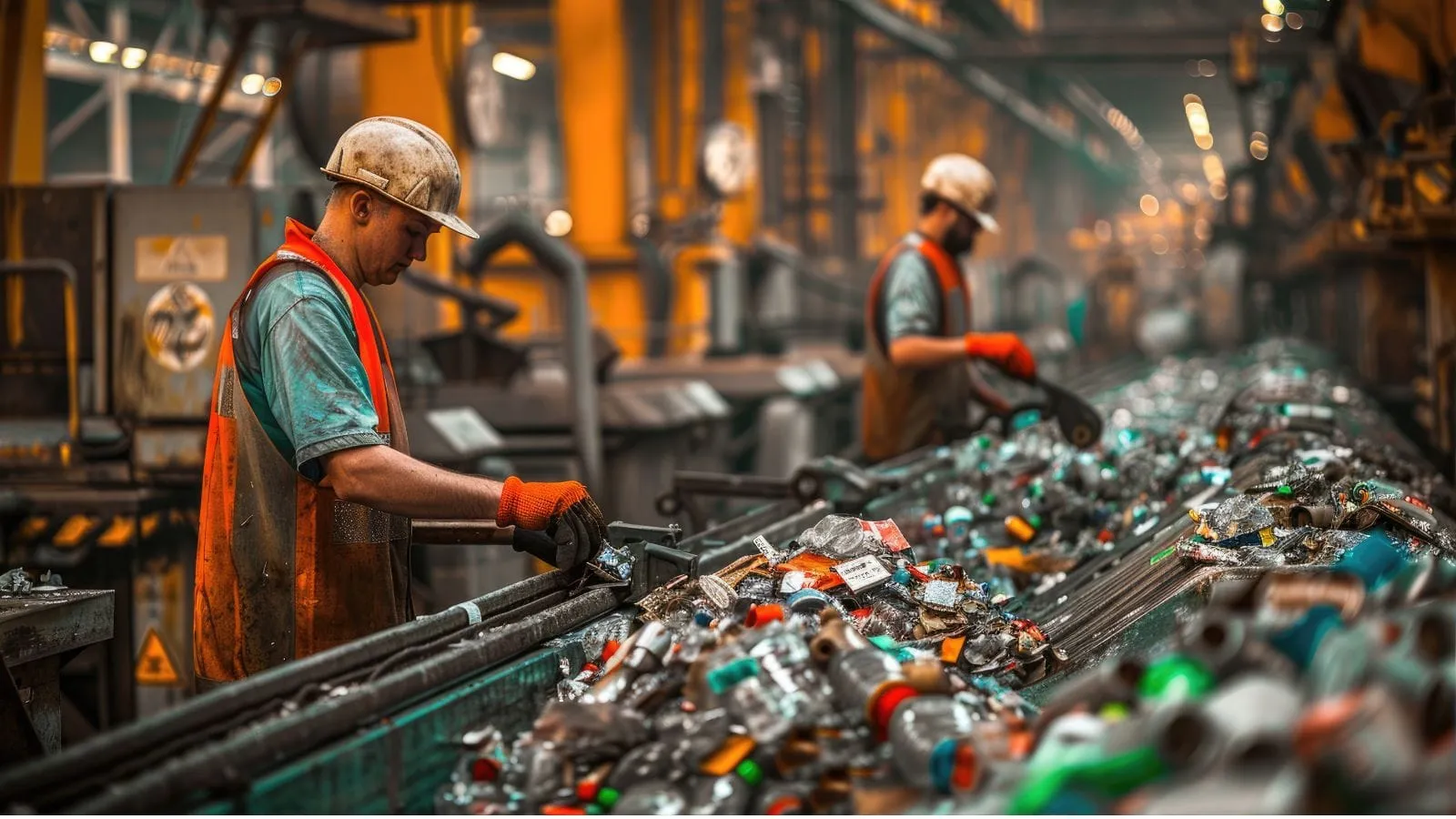
The automotive recycling industry plays an important role in recovering valuable materials from vehicles and automotive components. Among these materials, platinum, palladium, and rhodium are especially valuable because of their industrial applications and use in catalytic converters. Instead of allowing these resources to go to waste, businesses can recover and recycle them through specialized precious metal recycling processes. For auto salvage yards, scrap businesses, automotive suppliers, and catalyst recyclers, choosing the right recycling partner can make a significant difference in how efficiently materials are evaluated, processed, and sold.
Working with a professional PGM Recycling Company Texas can help businesses access suitable purchasing, assaying, and refining solutions while making better use of their recyclable materials.
Understanding Platinum Group Metals and Their Importance:
Platinum group metals, commonly known as PGMs, include six related elements: platinum, palladium, rhodium, ruthenium, iridium, and osmium. These metals have unique chemical and physical properties that make them useful in several industrial applications. In the automotive industry, platinum, palladium, and rhodium are particularly important because they are used in catalytic converters. These components help reduce harmful emissions produced by vehicle engines by supporting chemical reactions that convert certain into less harmful substances.
The value of these metals makes recycling an important part of the automotive supply chain. Recovering them from used components allows valuable resources to re-enter manufacturing and industrial processes rather than being discarded.
How PGM Recycling Works in the Automotive Industry:
PGM recycling involves collecting, evaluating, processing, and recovering precious metals from materials that contain them. Catalytic converters are one of the most recognized sources because their internal substrates contain platinum, palladium, and rhodium.
1. Collection and Material Identification:
The process begins when businesses collect used catalytic converters and other recyclable automotive materials. These materials may come from auto salvage yards, automotive parts suppliers, repair operations, and professional recycling businesses. Businesses handling larger quantities may also benefit from organizing their inventory by converter type, quantity, and available identification information before arranging a sale or recycling service.
2. Sampling and Assaying:
After collection, material evaluation helps determine the precious metal content. Assaying is the process of analyzing a material to identify the metals present and measure their concentrations. Professional assaying helps reduce uncertainty by providing information about the material being evaluated. Businesses can use these results to understand their inventory and make more informed decisions about purchasing or refining arrangements.
3. Processing and Metal Recovery:
Once the material has been evaluated, it can move through the appropriate processing and refining stages. Depending on the material and recycling arrangement, specialized processing methods are used to recover valuable metals from the original components. Refining separates and recovers precious metals so they can be prepared for future industrial use. The recovered materials can then become part of manufacturing supply chains, supporting the continued use of valuable resources.
Why Businesses Need a Reliable Recycling Partner
Choosing an experienced recycling partner is an important business decision. Companies that regularly handle catalytic converters and precious metal-bearing materials need more than a place to sell scrap. They need a dependable process that supports accurate evaluation, fair transactions, and efficient logistics.
A professional PGM Recycling Company Texas can help businesses explore different recycling arrangements according to their material quantities and operational requirements.
Accurate Material Evaluation:
Accurate evaluation is one of the most important parts of precious metal recycling. Since platinum, palladium, and rhodium have different market values, understanding the actual metal content of a material helps establish a more informed basis for pricing. Businesses should look for recycling partners that prioritize proper analysis and clear communication.
Transparent Pricing and Payments:
Transparency matters whenever valuable materials are bought or sold. Businesses should understand how their materials are evaluated, what factors influence the offered price, and how the settlement process works. Fast and secure payments are another important consideration, particularly for operations that handle regular material volumes and depend on consistent transactions.
Flexible Purchasing Options:
Not every business handles the same quantity of catalytic converters. Some sellers may have a small number of units, while others manage larger lots or regular bulk shipments. Flexible purchasing arrangements allow businesses to work with a recycling partner to their inventory.
Recycling Services That Support Different Business Needs:
A complete precious metal recycling partner may offer several services under one business relationship. These services can help sellers manage materials from initial evaluation through purchasing or refining.
Catalytic Converter and Metals Buying:
Catalytic converter buying allows businesses to turn used automotive components into potential revenue. Buyers evaluate the materials based on their type, quantity, and precious metal content. Businesses should provide accurate information about their inventory when requesting pricing. This can help the buyer understand the material and guide the next steps in the transaction.
Toll Refining for Precious Metals:
Toll refining is an option for businesses that prefer to retain ownership of their precious metal-bearing materials during the refining process. Rather than selling the material outright, the owner uses a refining service to recover the metals and receives the refined value after applicable processing fees. This arrangement can be useful for high-volume recyclers that want greater control over their metal inventory and recovery process.
Nationwide Pickup and Logistics:
Transportation can become a challenge when businesses handle large quantities of catalytic converters or other recyclable materials. Coordinating packaging, shipping, and collection requires planning, particularly for sellers located outside major recycling centers. A recycling partner with nationwide logistics support can simplify material movement and help businesses arrange convenient pickups.
Who Can Benefit from Professional PGM Recycling?
Precious metal recycling is relevant to several types of businesses throughout the automotive and scrap industries. Auto salvage yards regularly handle end-of-life vehicles and automotive components. Catalytic converters recovered from these vehicles can represent an additional source of recyclable value. Scrap businesses may collect different types of metal-bearing materials. Working with a specialized recycling partner can help them identify suitable purchasing and processing opportunities.
Auto parts suppliers can benefit from organized recycling solutions when handling used or unwanted automotive components. Catalyst recyclers may require dependable purchasing, assaying, or toll refining arrangements to support their regular operations and material volumes.
How to Choose the Right Recycling Partner in Texas:
Before selecting a recycling provider, businesses should consider several practical factors. The right partner should understand the materials being handled and offer services that match the seller's requirements. Start by reviewing the company's available services. Does it purchase catalytic converters? Does it provide assaying? Can it support toll refining or larger material shipments? Understanding these options can help businesses choose a suitable arrangement. Logistics should also be considered. Companies handling regular or bulk inventory may need dependable pickup arrangements and responsive communication.
A partner that can support these operational needs can make the recycling process easier to manage. Finally, look for a company that values long-term business relationships. Consistent communication, transparent transactions, competitive pricing, and dependable support all contribute to a stronger working relationship.
Conclusion:
Choosing an experienced PGM Recycling Company Texas can help businesses manage these requirements and make informed decisions about their recyclable inventory. From catalytic converter buying and assaying to toll refining and nationwide pickup, the right services can support smoother operations and stronger long-term business relationships. Top Gun Platinum Group Metals works with auto parts suppliers, scrap businesses, auto salvage operations, and catalyst recyclers, offering purchasing, assaying, toll refining, and logistics solutions.