Pharmaceutical Isolator for Aseptic Processing
By millerdaisy
67 Views
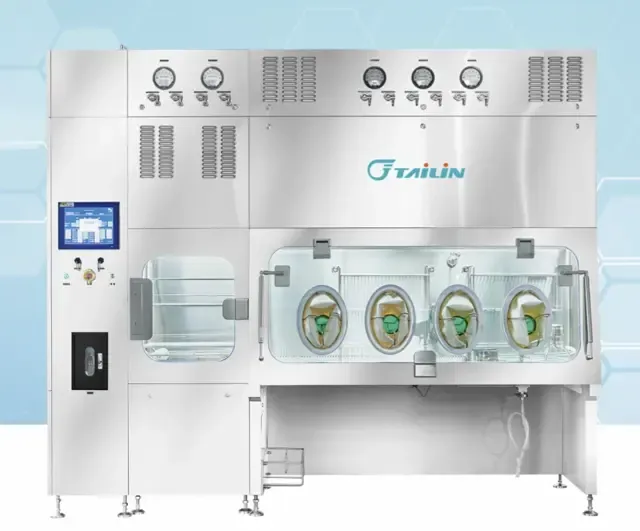
Aseptic processing requires strict control of contamination risks to protect pharmaceutical products, components, and processes. Maintaining a controlled environment is especially important when manufacturing sterile medicines, injectable products, biologics, and other sensitive formulations. A pharmaceutical isolator provides a physical barrier between the product and the surrounding environment while allowing operators to perform essential manufacturing or laboratory activities through integrated glove systems. By creating a controlled internal environment, isolator technology can support contamination control and help pharmaceutical manufacturers maintain consistent aseptic processing conditions.
What Is a Pharmaceutical Isolator?
A pharmaceutical isolator is a specialized enclosed system designed to create a controlled environment for pharmaceutical processing. It separates the critical process area from the surrounding room and limits direct operator interaction with exposed materials.
The enclosure can incorporate HEPA-filtered air, controlled airflow, pressure management, glove ports, transfer systems, and monitoring instruments. The specific configuration depends on the intended application.
Unlike traditional cleanroom setups where operators work directly within the controlled environment, an isolator provides an additional physical separation between personnel and critical operations. This design can help reduce the potential for contamination caused by human intervention.
Why Are Isolators Important for Aseptic Processing?
Personnel are one of the major potential sources of contamination in pharmaceutical manufacturing. Operators can introduce microorganisms, particles, and other contaminants into critical processing areas through movement, clothing, and direct interaction.
A pharmaceutical isolator reduces this interaction by enclosing the critical process within a controlled chamber. Operators can manipulate materials using gloves attached to ports without directly entering the processing environment.
This separation can help manufacturers establish a more controlled contamination environment for operations where product sterility and quality are critical.
Controlled Airflow and HEPA Filtration
Air quality is a fundamental consideration in aseptic processing. Pharmaceutical isolators commonly use high-efficiency filtration systems to provide clean air to the internal working zone.
HEPA filters can remove a high proportion of airborne particles from the supplied air. Controlled airflow within the isolator helps maintain the desired environmental conditions and can reduce the risk of contaminants reaching exposed products or components.
Airflow design depends on the isolator's application and configuration. Manufacturers may use different airflow patterns and pressure arrangements based on process requirements and contamination-control strategies.
Glove Systems in Pharmaceutical Isolators
Glove ports are one of the defining features of many isolator systems. They allow operators to manipulate equipment, containers, tools, and materials inside the chamber without opening the main enclosure.
Because gloves form part of the containment and barrier system, their integrity is important. A damaged or improperly installed glove could potentially compromise the controlled environment.
For this reason, pharmaceutical facilities may implement appropriate glove inspection and integrity-testing procedures. Regular checks can help identify damage, leaks, or other problems before they affect aseptic operations.
Material Transfer into the Isolator
Aseptic processing often requires materials to be transferred into and out of the controlled chamber. Transfer operations must be carefully designed because opening the enclosure can introduce contamination risks.
Depending on the application, isolators may incorporate transfer chambers, rapid transfer ports, pass-through systems, or other controlled transfer technologies.
The transfer process should be established according to the material type and contamination-control requirements. Proper procedures can help maintain the integrity of the isolator environment while allowing necessary components and equipment to enter the workspace.
Applications of Pharmaceutical Isolators
A pharmaceutical isolator can be used in a variety of pharmaceutical and biotechnology applications, including:
- Aseptic filling
- Sterile pharmaceutical manufacturing
- Sterility testing
- Sampling operations
- Pharmaceutical compounding
- Vaccine processing
- Biologics manufacturing
- Cell and gene therapy applications
- Powder handling
- Sterile component preparation
- Laboratory testing
The exact isolator configuration should be selected according to the process, product characteristics, required containment level, and applicable quality requirements.
Benefits of Using an Isolator
One of the primary advantages of isolator technology is improved separation between operators and critical processes. This can help reduce opportunities for contamination during aseptic operations.
Other potential benefits include:
Reduced Personnel Intervention
Operators can perform many activities through glove ports without physically entering the critical processing environment. Reduced intervention can support a more controlled process.
Controlled Environment
The isolator provides an enclosed space where airflow, filtration, pressure, and other environmental parameters can be controlled.
Improved Contamination Control
Physical separation can help reduce the transfer of particles and microorganisms from surrounding areas into the critical zone.
Consistent Processing Conditions
A controlled internal environment can help maintain consistent conditions during repeated pharmaceutical manufacturing operations.
Flexible Applications
Isolators can be designed for different processes, equipment configurations, and production requirements.
Pharmaceutical Isolator vs. Traditional Cleanroom Processing
Traditional cleanroom processing relies heavily on room classification, environmental controls, operator gowning, cleaning procedures, and aseptic techniques. Isolator technology adds another physical barrier around the critical process.
This does not mean that cleanroom controls become unnecessary. The surrounding room, equipment, personnel practices, cleaning procedures, and environmental monitoring remain important components of the overall contamination-control strategy.
Instead, an isolator can complement these controls by reducing direct interaction between operators and critical processing areas.
Environmental Monitoring
Environmental monitoring is an important part of pharmaceutical manufacturing. Depending on the application, monitoring programs may evaluate airborne particles, viable microorganisms, pressure, temperature, humidity, and other parameters.
A pharmaceutical isolator may incorporate monitoring ports or compatible sensors that allow critical environmental conditions to be assessed.
Monitoring results can help operators and quality teams identify changes in environmental conditions and investigate potential deviations.
Cleaning and Decontamination
Maintaining isolator cleanliness is essential for aseptic processing. Internal surfaces should be designed to support effective cleaning and decontamination.
Depending on the system and application, different decontamination approaches may be used. The selected process should be appropriate for the equipment, materials, and pharmaceutical operation.
Cleaning procedures should define suitable agents, concentrations, contact times, frequencies, and verification activities. Proper documentation helps demonstrate that the system is maintained according to established procedures.
Choosing the Right Pharmaceutical Isolator
Selecting a pharmaceutical isolator requires careful evaluation of the intended application. Important considerations may include chamber dimensions, airflow design, filtration, glove configuration, transfer technology, pressure control, monitoring capabilities, cleaning requirements, and automation.
Manufacturers should also consider the type of product being handled and the level of operator intervention required.
Additional factors such as equipment integration, maintenance requirements, ergonomics, validation support, and technical service should be evaluated before installation.
Importance of Qualification and Validation
An isolator used for pharmaceutical production should undergo appropriate qualification and validation activities according to its intended use and applicable procedures.
Performance assessments may evaluate airflow, filtration, pressure, environmental conditions, glove integrity, and other critical parameters.
Personnel should also receive suitable training on operation, cleaning, transfer procedures, emergency situations, and routine maintenance.
Conclusion
A pharmaceutical isolator provides a controlled and enclosed environment that can support contamination control during aseptic processing. By separating operators from critical activities, incorporating filtered airflow, and using glove-based manipulation systems, isolators can help pharmaceutical manufacturers establish consistent processing conditions.
From sterile filling and pharmaceutical compounding to sterility testing and advanced biotechnology applications, isolator systems can be configured for a wide range of operations. However, effective performance depends on appropriate system design, qualification, cleaning, environmental monitoring, glove integrity, and operator training.
For pharmaceutical organizations looking to strengthen their aseptic processing strategy, selecting an isolator that matches the process requirements and implementing it within a comprehensive contamination-control program can provide an important layer of protection for product quality and process integrity.
Related Reading
Why Business & Finance is Transforming the Global Industry Landscape
Welcome to our in-depth exploration of Business & Finance. In an era defined...
Expert Insights: Navigating the Complex World of Business & Finance
Welcome to our in-depth exploration of Business & Finance. In an era defined...