Pickleball Is Quietly Becoming the Neighborhood's Favorite Pastime
By Eric Dane
14 Views
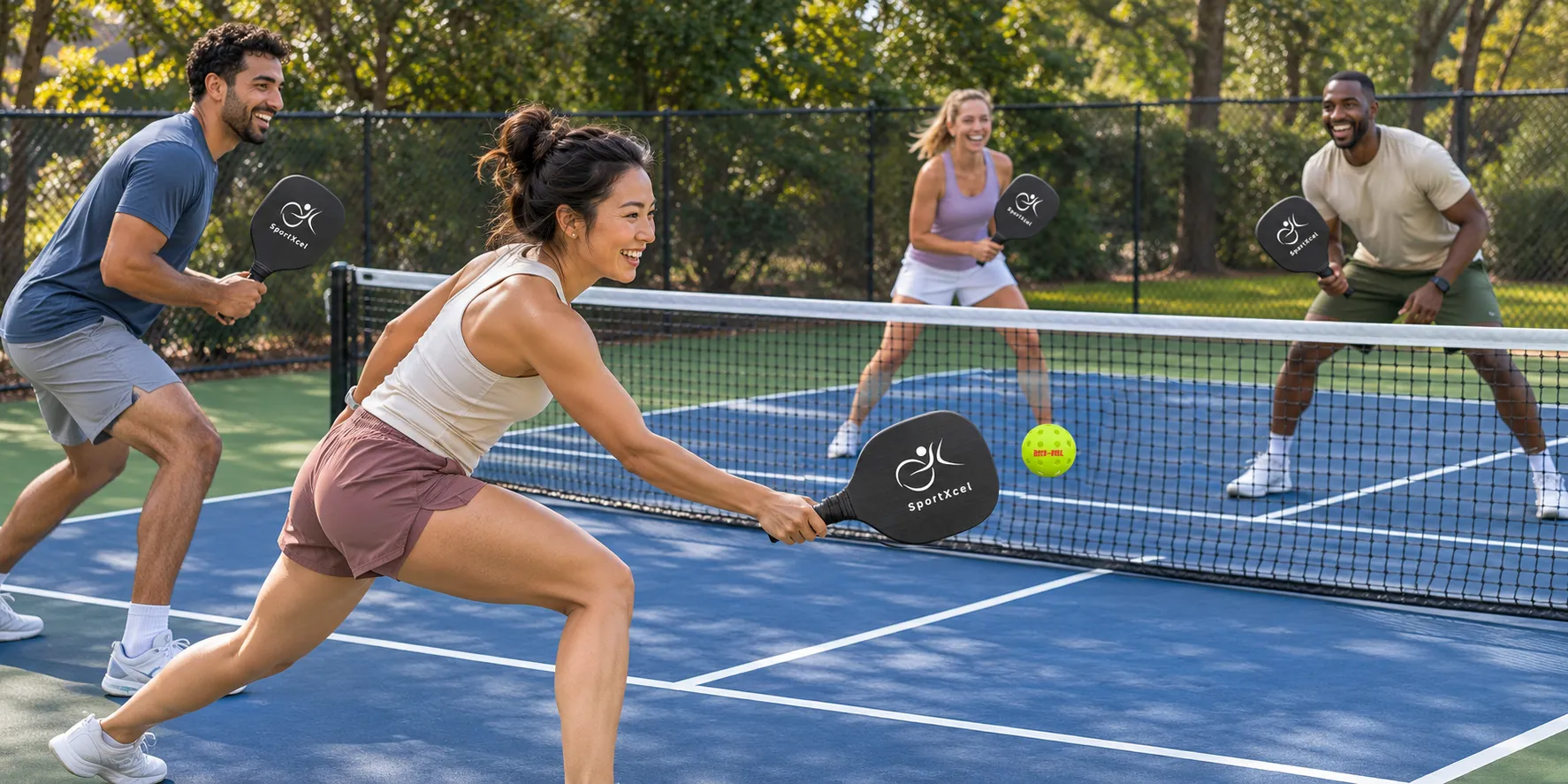
A decade ago, most people would have struggled to explain what pickleball was. Today, the thwack of a plastic ball against a paddle is a regular sound at parks, school grounds, and community centers across the country. What began as a backyard invention has become one of the fastest-growing recreational sports, and local leagues are a big reason why.
Easy to Start, Hard to Put Down
The game is easy to pick up. The court is small, the game can be played at a relaxed pace, and the scoring is easy to understand after a couple of games. Beginners can jump in and enjoy a good rally without any formal training.
The game's simplicity means people from all walks of life will turn up to play. Retirees, work colleagues, students, and parents all share the court. This creates a friendly atmosphere around pickleball. Many players will admit they play. They want exercise but stay because they enjoy the game's social side.
What Makes a League Work
Behind every busy league is usually one or two people who care about the details. They keep the schedule predictable, group players by ability, and make sure the equipment bag is never empty. They also tend to understand that a league is as much a social club as a sporting one.
Organizers who last the longest usually focus on a few things:
-
Clear communication: A shared group chat or weekly email keeps everyone informed about start times, court changes, and cancellations.
-
Fair matchmaking: Grouping players by skill level keeps games competitive and reduces walk-offs after a few one-sided losses.
-
A relaxed tone: People keep coming back when the mood is friendly and fun, not when every game feels like it counts toward the standings.
Why Pickleball Leagues Make Sense for Local Business Partnerships
Pickleball leagues have become a dependable gathering point in many communities. The same players show up week after week, which makes these leagues appealing to local businesses looking for a steady, friendly way to stay visible. Sponsorships, season-opening gifts, and tournament prizes are all common entry points.
The challenge is choosing something people will actually keep. Items used regularly keep a business name in front of the same group for months, while anything tossed in a bag and forgotten does little.
A Useful Item With Staying Power
After a long night of lunging, pivoting, and quick sprints, a sore shoulder or achy knee is common, and that’s where a reusable pack earns its place. Many leagues and sponsors have found that custom hot and cold packs fit this need well, since they work for either problem. Chill one in the freezer to calm swelling, or warm it in the microwave to loosen tight muscles.
Because it serves a real purpose, it tends to stick around. Many players keep one in a freezer drawer or gym bag and reach for it again and again. For a business, that means a logo that stays part of someone’s routine long after the season ends.
Why It Works for Organizers and Sponsors
For league organizers, a practical gift shows players that someone cares about their well-being, not just their scores. For sponsors, it offers a low-pressure way to be associated with that goodwill. The pack is small, easy to distribute at sign-ups or award ceremonies, and relevant to nearly every age group on the court.
That relevance extends beyond pickleball. The same item suits fitness clubs, community runs, and corporate wellness days, so a sponsor who invests in one can reuse the idea elsewhere.
Comfort and Care Off the Court
Good organizers will include shaded seating areas, a water station, and bag storage. Whilst small things to consider, they can make a big difference to how your session feels. A basic first aid kit is also useful to have on hand, and a few minutes of stretching before playing can help prevent unwanted strains in older players.
Ties to the Wider Community
Leagues rarely operate in isolation. They often have strong links with local businesses, such as cafes offering special offers on coffee after matches, small businesses sponsoring trophies, and parks departments taking note of busy courts. Partnerships like these can help a league grow without adding much to its budget.
Why the Momentum Is Likely to Last
With new courts opening and businesses and schools starting to run their own games, the leagues most likely to last will keep things simple: a friendly atmosphere, regular playing times, and real consideration for the players.
For most players, it's about having a great game, a friendly crowd, and knowing they'll be playing again next time.