Plant-Based Proteins: An Alternative Vegan Way of Life
By BioX Nutrition
108 Views
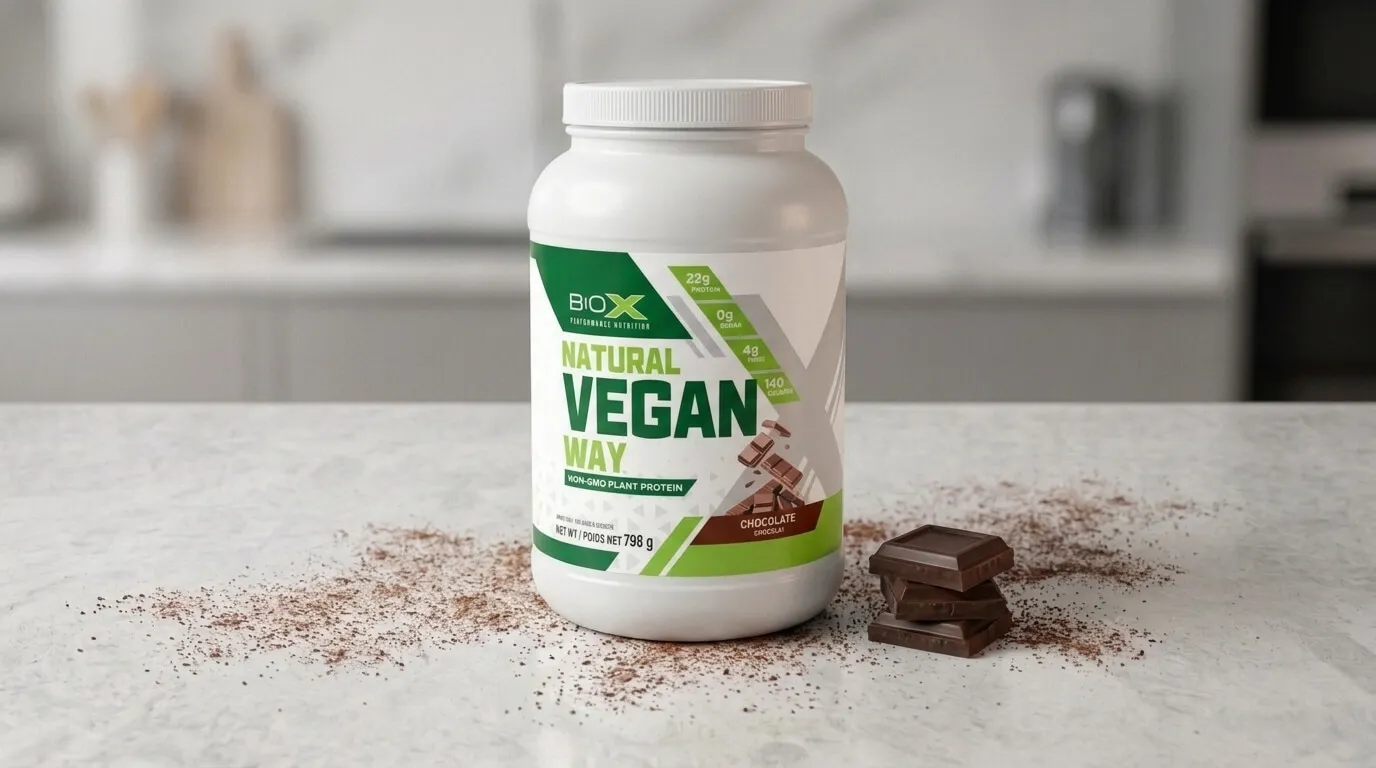
Over the past ten years, there has been a significant shift in nutrition as more people adopt plant-based diets and look for cruelty-free products.
The vegan way of nutrition is becoming more and more well-liked as an ethical and sustainable source of protein that helps people achieve their fitness objectives and provides a balanced diet for those seeking sustainable eating options.
Let's read about Vegan Way protein powder, including its ingredients, advantages, and possible disadvantages, as well as how using it fits into an alternative lifestyle.
Recognizing Alternatives to Vegan Protein Powder
A good illustration of how far plant-based nutrition has come is Vegan Way protein powder. As the name suggests, these powders offer a significant increase in protein without utilizing animal products, making them a morally acceptable way to increase daily protein intake.
Sources and composition of proteins
Pea protein is one of the plant-based sources from which Vegan Way nutrition protein powders get their amino acid profile since it provides a unique set of essential amino acids. The protein blend of pea, rice, hemp, and soy creates an amazing amino acid profile that promotes muscle growth, repair, and general wellness.
Advantages of Vegan Way Plant-Powered Protein Powders
For individuals dedicated to leading cruelty-free lives, Vegan Way's protein powders provide an ethical and sustainable source of nutrition.
Amino Acid Variety: Mixing various plant proteins results in an effective amino acid balance and variety that supports the best possible protein usage.
Digestive Ease: A lot of people feel that plant-based protein powders are less likely to cause discomfort in their digestive tracts than their animal-sourced counterparts.
Allergen-Friendly: Since vegan protein powders may not contain dairy, gluten, or lactose, they can be used by anyone with a variety of dietary requirements and limits.
The Production of Protein From Plants Has Less of an Impact Than That From Animals: When compared to animal sources of protein, the production of plant-based proteins often utilizes fewer natural resources and emits fewer greenhouse gases.
Heart Health: Compared to their animal-based equivalents, vegan protein sources often contain fewer saturated fats and cholesterol-raising ingredients, which lowers cholesterol consumption and benefits the heart.
Retain Muscle Mass: Plant-based living adherents can benefit greatly from using Vegan Way protein powder to help them recover more quickly and retain muscle mass.
Before choosing one, two aspects of home purchase should be considered: considerations and difficulty.
Amino Acid Unbalances: Plant-based proteins contain a range of essential amino acids, but some sources may not have enough of a given amino acid to meet the body's needs. Eating a variety of plant proteins could help address this difficulty.
Texture and Taste: Vegan protein powders may not taste or feel quite like typical whey proteins to certain consumers. Nevertheless, this issue can be resolved by experimenting with different tastes and preparation techniques.
Possible allergens: Even though there are no dairy or lactose allergies in vegan protein powders, people who are allergic to specific plant proteins (including soy and pea) should carefully read ingredient labels before consuming vegan protein.
Sensitivity to Digestion: Even though most people find plant-based protein powders simpler to digest, some people may still have stomach pains. Appropriate hydration and gradual integration could perhaps lessen this discomfort.
Add Vegan Way Protein Powder in
The protein powder from Vegan Way blends in perfectly with many facets of daily life:
Post-Workout Recovery: Eating a protein shake helps muscles strengthen and heal after a workout.
Meal Replacement: When whole-food options are not available, protein-rich shakes provide a quick and wholesome meal replacement option.
Baking & Cooking: To add even more protein-rich goodness to baked goods or any culinary masterpiece, vegan protein powders can be used in place of flour in recipes.
Smoothies & Shakes: Tasty smoothies full of vital nutrients can be made by blending Vegan Way protein powder with fruits, vegetables, and other plant-based ingredients.
Nutritional Value and Composition
Plant-based proteins from rice, hemp, peas, and quinoa are commonly used to make vegan whey protein powders, which together have an amino acid profile that is comparable to that of whey derived from animals. This guarantees that consumers receive all of the fundamental building elements needed for the growth, repair, and general operation of their bodies.
Vegan whey protein powders frequently claim to offer more nutrients than just protein; to optimize the total health benefits of intake, they frequently enrich their products with additions of B vitamins, iron, calcium, and omega-3 fatty acids.
There are numerous benefits of using vegan whey protein powder to support a vegan diet.
A Comprehensive Source Is Vegan Whey Protein Powder:
Vegan whey protein powders are a useful tool for supporting muscle growth and repair because they have all of the essential amino acids.
Digestibility: Some people find it simpler to absorb plant-based protein sources, especially those who are uncomfortable with whey proteins obtained from dairy.
Allergen-Friendly: Since it does not include typical allergens that cause symptoms of lactose intolerance or dairy allergy, vegan whey protein powder is a great option for people experiencing these conditions.
It is More Sustainable to Use Vegan Whey Protein Powder: Vegan whey protein powder is becoming a more environmentally friendly choice because plant-based protein sources have smaller environmental footprints than animal proteins.
Zero Cholesterol: Vegan whey protein powder may help to improve cardiovascular health and manage total cholesterol, as plant-based proteins are inherently cholesterol-free.
Decreased Inflammation: After ingesting plant-based proteins like vegan whey protein powder, some people report experiencing less inflammation and digestive problems. Consequently, vegan protein powder might offer a simpler choice. For optimal results, incorporate vegan whey protein powder into your regimen right now.
Vegan whey protein powder is a fantastic addition to a variety of recipes and meal plans. It can be used in shakes, smoothies, and baked goods, as well as vegan protein-based diet programs.
Milkshakes and Smoothies: Adding extra protein to your regular diet can be easily achieved with smoothies and shakes made with vegan whey protein powder.
Baking: To add extra protein to your baked goods, substitute vegan whey protein powder for part of the flour. This will make muffins, pancakes, and cookies taste even better!
Oatmeal: You may significantly boost the nutritional value of your oatmeal in the morning and maintain a feeling of fullness throughout the day by incorporating protein powder into it.
Make Your Bars: Combine vegan whey protein powder, nuts, seeds, and natural sweeteners to make high-protein, plant-based energy bars!
Post-Workout Fuel: Consuming vegan whey protein powder after working out aids in muscle healing and satisfies protein requirements.
How to Choose Whey Protein Powders for Vegans
Consider aspects such as extra nutrients, component quality, and protein content when choosing a vegan way protein powder.
Seek powders with the fewest artificial ingredients and added sugars; carefully reading ingredient labels and picking brands with open-sourcing and production methods are essential steps in choosing high-quality products.
In Summary
Vegan Way protein powder is a testament to the rapidly developing field of plant-based nutrition; it provides people with nutrient-rich, ethical, and sustainable sources of protein that are crucial for maintaining an eco-friendly lifestyle and achieving their fitness objectives.
Vegan Way protein powder makes a significant contribution to the expanding niche market of plant-powered nutrition as demand for plant-powered substitutes rises.